Uniper Divests OPAL Stake to Hy24, Driving Germany’s Hydrogen Infrastructure
Uniper SE has agreed to sell its 20% OPAL pipeline stake to Hy24, fulfilling EU state aid obligations and boosting Germany’s hydrogen infrastructure.
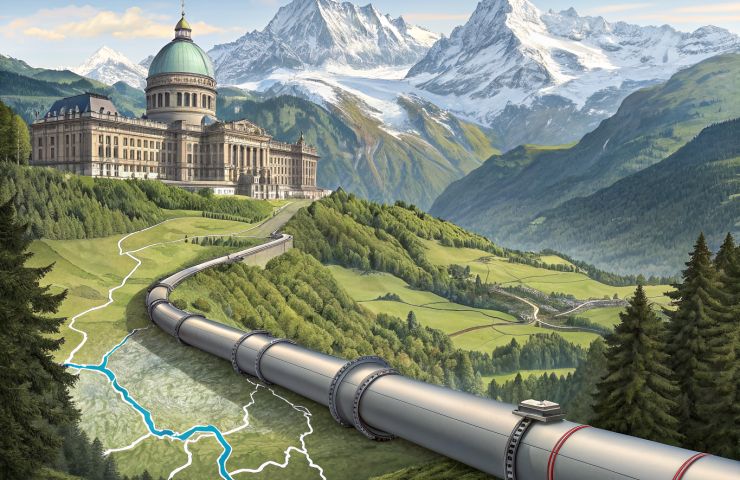
State-backed utility Uniper SE has decided to sell its 20% stake in the OPAL pipeline to the Hy24 Clean Hydrogen Infrastructure Fund. This is a huge step in Europe's energy transition, as it introduces a major fossil gas corridor into the developing hydrogen network. The sale is driven by state aid guidelines from the EU and highlights a significant shift in the industry’s focus toward investing in hydrogen infrastructure.
EU State Aid Remedy Spurs Divestment
After nearly going under during the gas price crisis of 2022, Uniper got a lifeline with a €15 billion bailout from the German government, which the European Commission also approved. As part of this financial package, Uniper agreed to sell off some of its assets within a certain timeframe to help restore balance in the market. Besides the OPAL pipeline, Uniper also has to divest its helium operations and its majority stake in its Russian subsidiary. Failing to comply with these requirements could lead to fines or more steps from the EU, making this sale a key part of Uniper’s strategy to align with regulations.
Transaction Structure and Conditions
The deal involves transferring Uniper's interest through the sale of Lubmin-Brandov Assets GmbH & Co. KG, the holding company for its 20% share in the 470 km pipeline that connects Lubmin to Brandov. This transaction needs the green light from German and EU regulatory bodies, and it hinges on GASCADE Gastransport GmbH giving up its pre-emption right. While the financial details aren’t public yet, they’re expected to be in line with regulated asset valuations. Once everything’s finalized, Hy24 will team up with GASCADE as joint operators under the new Hydrogen Core Network tariff structure.
Hy24’s Strategic Entry into Regulated Transmission
Hy24, a partnership between Ardian and FiveT Hydrogen, runs a €2 billion Clean Hydrogen Infrastructure Fund, meeting the criteria outlined in the EU’s Sustainable Finance Disclosure Regulation. They’ve got major players on board, like Air Liquide, TotalEnergies, and VINCI Concessions, along with big-name financiers like AXA and Allianz. Up till now, their investments have focused on green hydrogen production facilities, salt cavern storage, and refueling stations through collaborations with H2 MOBILITY Deutschland and Hy2Gen. Acquiring the OPAL stake marks their first venture into regulated transmission investments, expanding their portfolio with vital assets for a competitive hydrogen market.
Context: Germany’s Hydrogen Core Network
Germany’s National Hydrogen Strategy, rolled out in 2020 with updates following, envisions a connected core network of around 9,000 km by 2032. About 60% of this network will repurpose existing gas pipelines through controlled purging and material upgrades. OPAL has already started using its northern segment for hydrogen supply and plans to convert the southern section by around 2030. This effort aligns with the European Hydrogen Backbone initiative, linking offshore import terminals, electrolyzer hubs, and industrial clusters across regions like Mecklenburg-Vorpommern, Brandenburg, and Saxony, and contributing to decarbonization efforts in sectors like steel, chemicals, and power generation.
Technical Snapshot: Pipeline Repurposing
Switching from transporting methane to pure hydrogen isn’t just a flip of a switch; it involves a careful, staged process that meets German high-pressure gas regulations. First, operators need to purge the pipeline of natural gas using compressors and flaring methods. Then they test steel pipes and welds to check for hydrogen embrittlement risks. Components like valves, seals, and metering systems need to be either upgraded or replaced, and compressor stations recalibrated for hydrogen’s different properties. Once everything's set, a final flushing phase using test batches ensures everything's working right. By using existing infrastructure, this approach saves up to 60% of land use compared to building new pipelines from scratch and cuts down CO₂ emissions by reusing existing steel.
Market Impact and Financing
Handing OPAL over to a specialized hydrogen fund changes the game for backbone infrastructure. German regulations allow network operators to set up an amortization account that spreads capital expenditure recovery over 20 to 25 years through regulated tariffs. State guarantees approved by the European Commission limit financial risk, making it easier to secure debt financing and lowering the hurdles for equity returns. Hy24 can tap into its base of anchor investors to fund projects and draw in bank syndicates or bond investors. For Uniper, selling this stake boosts liquidity while the company focuses on hydrogen-ready power stations and storage solutions. Industry-wide, converting pipelines is expected to require nearly €19 billion in capital expenditure, ramping up procurement and engineering activities across Europe’s hydrogen supply chain.
Parallel Trends in Pipeline Conversion
Similar pipeline repurposing projects are popping up across Europe. Transmission operators are looking into lines like TENP in Germany, ASG in France, and Trans Austria Gasleitung for hydrogen transport. Coordinated under the European Hydrogen Backbone plan, these projects aim to create over 40,000 km of hydrogen pipelines by 2050. OPAL’s north-south corridor serves as a significant reference point for material standards, safety protocols, and tariff structures—offering a template for creating regulatory and commercial frameworks elsewhere.
Expert Viewpoint: Market Signals Ahead
Analysts see the OPAL divestment as a pivotal sign of private capital making its way into hydrogen infrastructure. Regulated transmission assets can provide stable, fee-based revenue similar to gas pipelines but are backed by stronger policy support and long-term demand visibility through offtake agreements. As demand for hydrogen grows, backbone networks are expected to support regional pricing hubs and create liquid markets. Financial experts anticipate a wave of syndicated project loans and green bonds aimed at projects like these, pushing Europe’s low-carbon energy network forward.
Key Takeaways
- Uniper meets EU state-aid divestment requirements, freeing up capital for low-carbon initiatives.
- Hy24 expands its €2 billion fund into regulated hydrogen transmission, enhancing backbone capabilities.
- Germany’s Hydrogen Core Network aims for 9,000 km by 2032, with 60% of pipelines repurposed like OPAL.
- Regulated tariffs, state-backed guarantees, and amortization accounts help de-risk long-term investments.
- OPAL’s northern section already handles hydrogen, serving as a technical and regulatory proof of concept.
- Parallel projects across Europe are leveraging OPAL’s insights for a coordinated hydrogen backbone.
Transforming one of Europe’s biggest gas arteries into hydrogen infrastructure showcases how policy, private investment, and engineering creativity come together to drive the energy transition and strengthen a sustainable, low-carbon network.