University of Bonn Unveils Breakthrough in Clean Ammonia Production Using Palladium Membrane Technology
A research team at the University of Bonn has developed a clean ammonia synthesis process using lithium and palladium, with renewable hydrogen, eliminating the CO₂-intensive Haber-Bosch method.
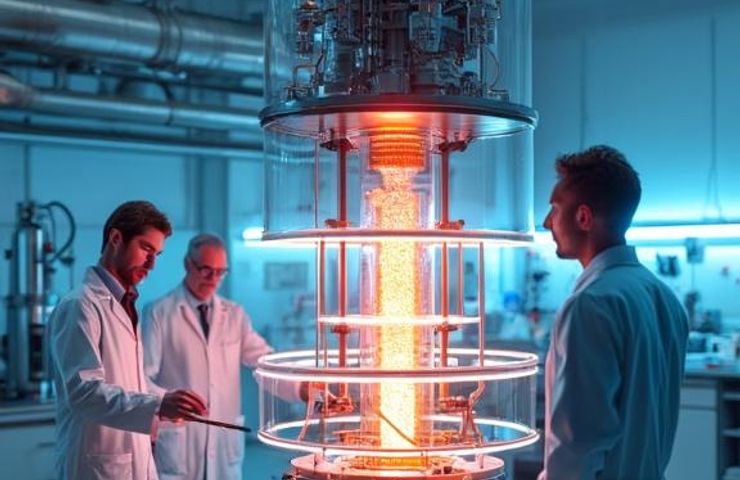
Ammonia production—one of the dirtiest industrial processes on the planet—might finally be getting a much-needed makeover, thanks to a groundbreaking development from Germany’s University of Bonn.
In what could be a big step forward for both green hydrogen and sustainable farming, researchers led by Prof. Dr. Nikolay Kornienko have come up with a new, electricity-powered method to make ammonia—one that ditches the carbon-heavy habits of the traditional Haber-Bosch process. Backed by the German Research Foundation (DFG), the team’s approach combines lithium-mediated nitrogen reduction with a palladium membrane hydrogenation reactor, all powered by clean, renewable electricity.
Why Clean Ammonia Matters
Here’s the deal: ammonia is a key ingredient in nitrogen-based fertilizers, which are critical for feeding more than half the global population. But the standard production method—Haber-Bosch—is a major climate offender. It relies heavily on fossil fuels (mostly methane) and contributes about 1% of all human-made CO₂ emissions. The process runs hot, around 500°C, under intense pressure, and it churns out over 170 million metric tons of ammonia every year.
Cleaning this up isn’t just about making agriculture more planet-friendly. It’s also about unlocking future uses for ammonia, like green shipping fuel and seasonal energy storage. That’s what makes Bonn’s new technology so exciting—it might just push us toward that low-carbon future.
Cracking the Code: Lithium Meets Palladium
The researchers at the University of Bonn’s Institute of Inorganic Chemistry built their innovation on a method called lithium-mediated nitrogen reduction (or LiNRR if you're into acronyms). That’s a fancy way of saying they used lithium to help turn nitrogen from the air into ammonia. But here’s where things get clever: instead of using inefficient or one-time-use hydrogen donors, they introduced a palladium foil that acts both as an electrode and a type of filter that selectively lets atomic hydrogen through.
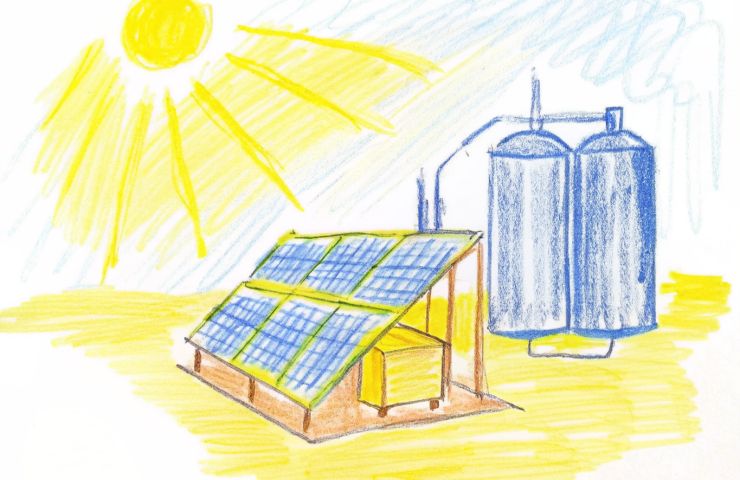
In simple terms, renewable electricity (say, from solar or wind) splits water to free up hydrogen. That hydrogen gets funneled through the palladium membrane into a special reaction zone. There, it meets nitrogen and—thanks to lithium—gets converted into ammonia. No fossil fuels. No CO₂. Just air, water, electricity, and a whole lot of smart chemistry.
According to Prof. Kornienko, this marks a shift away from brute-force industrial chemistry toward something more nimble and precise. “It’s a fundamentally new pathway,” he says. One that could eventually complement—or even replace—Haber-Bosch, under the right conditions. The team’s already filed a patent for the tech, which says a lot about its promise.
From Lab Curiosity to Game Changer?
So, why get excited about this now?
This type of cleaner electrochemical ammonia production could fit right into the emerging hydrogen economy, especially in places rich in renewable energy but lacking easy access to fossil fuels. Plus, because these systems can be modular, there’s potential for setting up small, localized fertilizer plants—on remote farms, island communities, or anywhere that decentralized production makes sense.
But here’s the catch: right now, the yield’s still too low for big-scale industrial use. Making it viable means boosting output, fine-tuning selectivity, and slashing the cost of materials—challenges that almost every early-stage fuel cell or electrolysis technology has had to face before going mainstream.
Still, having the backing of the German Research Foundation gives this serious momentum. Germany—and especially regions like North Rhine-Westphalia—is becoming a hub of innovation for clean hydrogen, renewable energy, and decarbonizing heavy industry.
Part of a Bigger Movement
This isn’t happening in a vacuum. The global industry is racing to reinvent ammonia production for the clean-energy era. Companies like Yara and CF Industries are already running pilot projects based on electrolyzer-produced green hydrogen. Bonn’s work pushes that boundary even further—asking whether we can reimagine the fundamental chemistry behind it all.
Will this new approach replace Haber-Bosch overnight? Not likely. But let’s not forget—the first fuel cells and batteries also started as low-output lab demos before becoming essential building blocks of modern energy systems. The same could happen here with membrane-based electrochemical reactors.
What's Next?
The next phase will probably involve working hand-in-hand with chemical engineers to scale the system up—making it cheaper, faster, and more efficient. If that works, we could be looking at an ammonia production method that’s not only carbon-free, but also less water-intensive and adaptable to almost any location.
The big idea? Using nothing but sunshine, air, and water to create the fertilizers that feed the world. This isn’t some far-off fantasy—it’s real engineering, happening right now in Bonn.
So keep your eyes on this space, because breakthroughs like these aren't just about rethinking chemistry. They're about reshaping economies, food systems, and giving us a fighting chance in tackling climate change.