YPP Corporation and Kazakhstan Explore Green Hydrogen Production and Ammonia Complex in East Kazakhstan
YPP Corporation, alongside Kazakhstan’s Ministry of Energy and regional authorities, has unveiled an exploratory memorandum for a $2 billion green hydrogen and ammonia complex in East Kazakhstan. The planned 1 GW wind and solar-driven facility could yield up to 55,000 tonnes of hydrogen or 310,000 tonnes of ammonia annually, pending feasibility, financing and offtake agreements. This initiative highlights emerging trends in green hydrogen production, hydrogen infrastructure and export-oriented clean energy projects in landlocked regions.
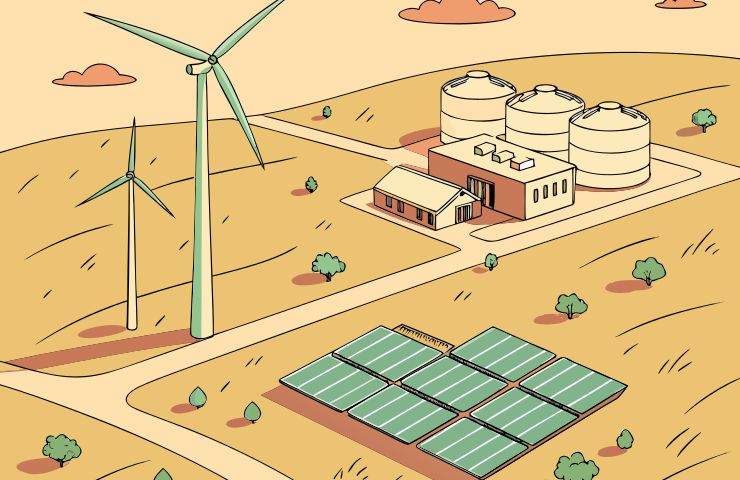
YPP Corporation is diving into the green hydrogen and ammonia game in East Kazakhstan, teaming up with Kazakhstan’s Ministry of Energy and the Akimat of East Kazakhstan Region. They’re eyeing a hefty $2 billion investment, which is aimed at rolling out around 1 GW of wind and solar energy to fuel water electrolysis and create green ammonia. This early-stage proposal signals some serious movement in the world of green hydrogen production, adding to the ongoing hydrogen news from Central Asia.
Project Overview
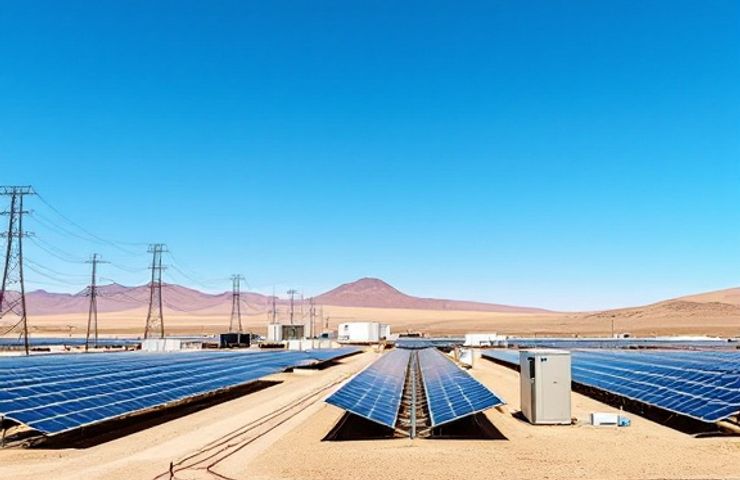
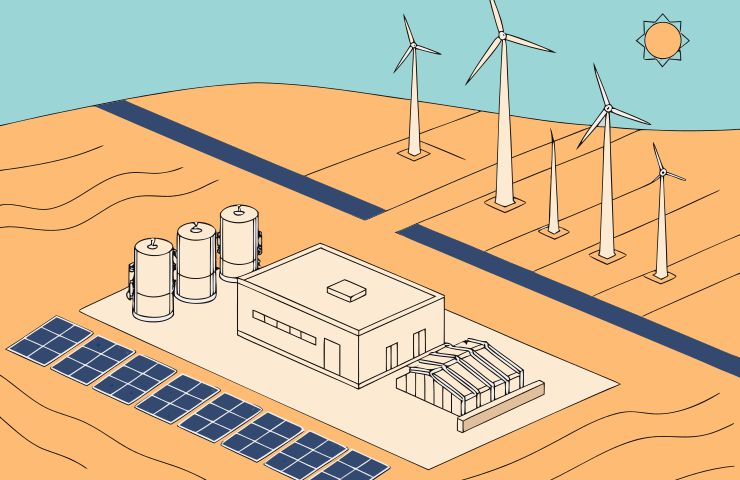
The proposed Green Energy Complex has plans to harness about 1 GW of renewable electricity generated from wind turbines and solar panels. This energy will power electrolyzers that break water into hydrogen and oxygen. If everything goes to plan, the facility might churn out up to 55,000 metric tons of green hydrogen or around 310,000 metric tons of green ammonia each year, depending on how they set things up. Notably, this streamlined approach is a shift from an earlier plan that considered 2 GW of renewables and 75,000 tonnes of hydrogen, keeping a keen eye on what’s practical and economically viable.
Addressing Energy and Industrial Needs
We all know transporting pure hydrogen can be quite the headache and a costly affair, not to mention the added complexity of storage. That’s where turning renewable hydrogen into ammonia can save the day, acting as a more manageable carrier for export. With clean wind and solar energy powering the electrolysis process, this project aims to tackle those tricky challenges in hydrogen storage, logistics, and market access. This approach might just redefine how producers in landlocked regions connect to global ammonia markets, making it possible to ship via rail instead of relying on pipelines.
Key Technologies
• Wind and solar generation: Supplies variable renewable electricity to electrolyzers ensuring a consistent energy source.
• Water electrolysis: This tech splits purified water into hydrogen and oxygen; they’re currently weighing options between alkaline or PEM electrolyzers.
• Green ammonia synthesis: This process combines nitrogen sourced from air separation with green hydrogen in a Haber–Bosch loop.
• Hydrogen infrastructure: Key components like compression, purification, and storage ensure smooth, continuous production.
• Battery energy storage: This might be included to help deal with any power fluctuations, but it’s still under detailed design discussions.
Regional Context
East Kazakhstan has a rich industrial history, especially in mining and metallurgy, and it even boasts a network of rivers and reservoirs that make it a prime candidate for industrial decarbonization. There’s plenty of land available for large-scale wind and solar projects, which means local plants could use the hydrogen for reducing their emissions. A comprehensive site study is definitely necessary to ensure there’s enough water supply, solid grid connections, and favorable environmental conditions to support the project.
Strategic Partnerships
This memorandum was inked during a state visit by President Tokayev to South Korea, highlighting the broader Kazakhstan–South Korea energy cooperation. YPP Corporation, led by chairman Jong-man Bek, has been providing domestic electrolysis systems since 2020 and sees this as its first shot at an overseas hydrogen project. There’s clear backing from the Ministry and the regional administration, but they still need to lock down land, secure funding, and get construction approvals.
Challenges and Next Steps
Now, the project’s success really hinges on proving it makes economic sense. Some uncertainties still hang in the air, like the pricing of renewable power, which electrolyzer to pick, and how to source enough water, along with finding long-term buyers for the ammonia or hydrogen produced. Being landlocked means they’ll need reliable rail-to-port logistics, not to mention solid clean hydrogen offtake agreements to move forward. The upcoming steps include carrying out detailed feasibility studies, assessing environmental impacts, identifying sites, and working out financing and offtake deals.
Broader Energy Transition Context
This proposal aligns with global trends in low-carbon fuel development as countries with renewable energy potential seek export opportunities. Research points out issues like water supply constraints and mismatched supply and demand when it comes to scaling green hydrogen. If this project proves successful, it could pave the way for future initiatives that combine renewables, hydrogen production methods, and export logistics, especially in regions that don’t have direct maritime access.
Potential Impact
If everything goes according to plan, this complex could really shake things up by:
- Attracting foreign direct investment and engineering contracts
- Supporting local service industries and boosting job creation
- Expanding renewable grid infrastructure in East Kazakhstan
- Helping to decarbonize the metallurgy and fertilizer sectors
Looking Forward
This isn’t just another feasibility study—it’s a real test to see if a landlocked producer can deliver solid competitive green hydrogen and ammonia to the global market. As the partners refine their plans, everyone’s going to be watching closely for breakthroughs in renewable integration, hydrogen infrastructure, and export logistics. The results could set the stage for the next big wave of clean hydrogen news and determine whether this memorandum has the potential to turn into a viable, mid-scale operation.