Air Liquide to Invest Over $160M in Arizona Hydrogen Production and Ultra-Pure Gas Facility for Semiconductor Manufacturing
Air Liquide will invest over $160M in an on-site gas facility in Arizona, producing low-carbon hydrogen and ultra-pure gases for semiconductor fabs by 2028.
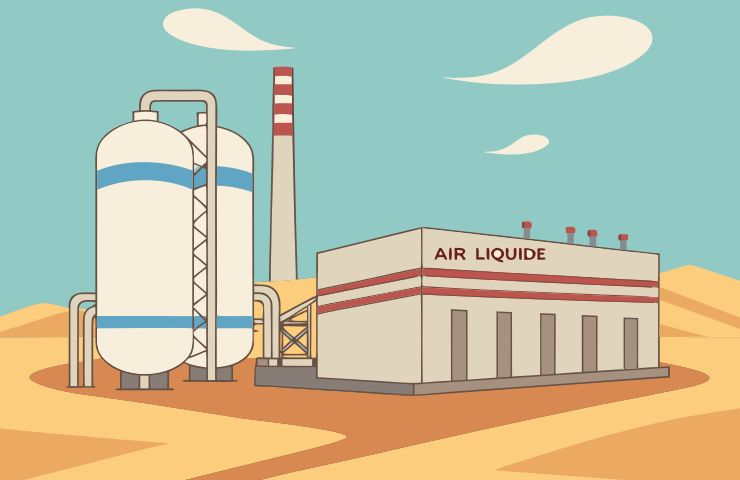
Air Liquide has some exciting plans cooking! They’re ready to invest over $160 million to set up a brand-new industrial gas production hub in Arizona. This hub isn’t just a standalone project; it’s designed to support a major expansion of an advanced semiconductor fab, with operations expected to kick off in 2028. The facility will churn out essential ultra-high-purity gases, including low-carbon hydrogen produced through a slick carbon capture process, all aimed at helping chipmakers ramp up their work in AI and high-performance computing.
High-performance chips are what keep our modern data centers and AI clusters buzzing. With demand skyrocketing, having a steady domestic supply chain isn't just beneficial; it’s become crucial. Air Liquide’s Arizona project fits snugly into U.S. initiatives that aim to enhance onshore chip capacity and tackle those pesky logistics bottlenecks. By building and running the gas facility right on-site, the company minimizes potential utility risks and allows the fab to free up funds for core manufacturing assets.
Strategic Supply-Chain Localization
Let’s be real: semiconductor manufacturing can’t afford any gas supply hiccups—whether it's contamination or delivery delays, even the slightest interruption can grind production to a halt for hours, if not days. By strategically placing the gas unit right at the fab, they eliminate reliance on trucking and slash wait times. Arizona’s sunny, dry climate, along with ample land and solid logistics links, has drawn several fabs to the area. In fact, Air Liquide tested this very model last year with a smaller gas supply unit near Phoenix, and it was a hit! This expansion isn’t just a step forward; it shows that industrial gas suppliers are evolving into strategic partners instead of mere commodity vendors.
This approach also aligns with the U.S. industrial policy goals. By keeping ultra-high-purity gas production close to where it’s needed, fabs bolster their resilience against geopolitical risks and can meet sustainability targets at the utility level.
Technical Snapshot
This new facility is set to produce gases like hydrogen, helium, nitrogen, and argon, all with purity levels in the parts-per-billion range. A key player in this setup is the hydrogen production train, which works hand-in-hand with a carbon capture unit. The CO₂ that’s generated on-site gets captured, liquefied, and refined to semiconductor-grade quality. This innovative process turns emissions into a valuable resource for things like etching and chamber cleaning.
Hydrogen itself plays a vital role in various wafer manufacturing steps, such as annealing and oxide removal. Plus, by keeping everything on-site, they can significantly reduce both contamination risks and CO₂ transport emissions. While Air Liquide hasn’t shared specific throughput numbers, they plan to make the most of existing local power and pipeline infrastructure to keep costs down and simplify the permitting process.
Industry Context and Decarbonization
Gases have been fundamental to Air Liquide’s business since 1902, but their focus on integrated on-site services for semiconductors marks a fresh strategic shift. As semiconductor device size continues to shrink, fabs need even cleaner inputs, which is where ultra-high-purity gases become essential for yield and performance. At the same time, chipmakers are under growing pressure to cut down on Scope 3 emissions. On-site carbon capture offers a practical solution to decarbonize hydrogen without needing to retrofit fab equipment.
This trend is echoing in various other sectors, like steel and petrochemicals, where low-carbon hydrogen and integrated carbon capture are making their mark. If the Arizona unit delivers on reliability and cost-effectiveness, it could spur similar projects at other fabs around the world, embedding decarbonization into core utility services.
The 2022 Phoenix-area project served as a starter course; this new, larger-scale investment firmly establishes Air Liquide as a strategic player in the U.S. semiconductor landscape.
Parallel Developments
This Arizona venture is part of a wider trend toward on-site utility networks. Over in Europe, suppliers are integrating electrolyzers right into industrial parks to supply green hydrogen for chemical and refining clusters. In the U.S., Regional Clean Hydrogen Hubs are paving the way for similar co-located production and capture setups, signaling a significant global shift in hydrogen infrastructure design.
Financial and Market Impact
From a financial standpoint, that $160 million investment is a clear sign of changing financing dynamics for fab utilities. Instead of investing in-house for hydrogen and gas units, fabs can now partner with a provider on a fee-for-service model, transforming hefty capital expenditures into predictable operating expenses. This strategy lessens balance-sheet risks and allows more capital to flow toward wafer fabrication equipment. For Air Liquide, these long-term contracts mean stable revenues and greater visibility for investors looking for returns akin to infrastructure projects.
Plus, integrating carbon capture into the gas value chain could open up more economic incentives. If U.S. regulators extend tax credits or grants for carbon capture and storage initiatives, Air Liquide might significantly lower its effective cost of hydrogen production. This shift could make low-carbon hydrogen an even more competitive option alongside traditional supplies, solidifying the company’s standing in the hydrogen infrastructure and industrial decarbonization arenas.
Anticipated Implications
Looking down the road, this project could revolutionize how fabs source their utilities. If on-site gas production and carbon capture prove to be reliable and cost-effective, we could witness a surge of integrated utility setups at both new and existing fabs. Gas suppliers could benefit from securing long-term contracts while adding value in emissions management. For fabs, this means they’ll get a hassle-free solution that cuts capital expenses for in-house utility systems while boosting their sustainability image.
This arrangement also opens the door for performance-based offtake agreements, where pricing might depend on uptime metrics and emissions reductions. Such structures could make hydrogen and gas utilities a more appealing investment for financiers, as lenders would perceive them as lower-risk, long-term infrastructure assets. And if regulators sweeten the deal with incentives for shared carbon capture, we might see similar models pop up in clean ammonia or methanol plants, extending the impact well beyond the semiconductor sector.
Main Takeaways
As fabs scramble to keep pace with demands for AI and high-performance computing, having access to a low-carbon, ultra-pure gas supply right on-site may soon turn into a competitive edge. Air Liquide’s Arizona initiative underscores the synergy between hydrogen infrastructure and industrial decarbonization, setting the stage for the future of semiconductor manufacturing.