Ballard Power Systems Partners with New Flyer for Hydrogen Fuel Cell Bus Agreement
Ballard Power Systems Inc. has secured a commercial agreement with New Flyer for 500 hydrogen fuel-cell engines, marking an important step in the deployment of hydrogen fuel-cell technology in North American transit.
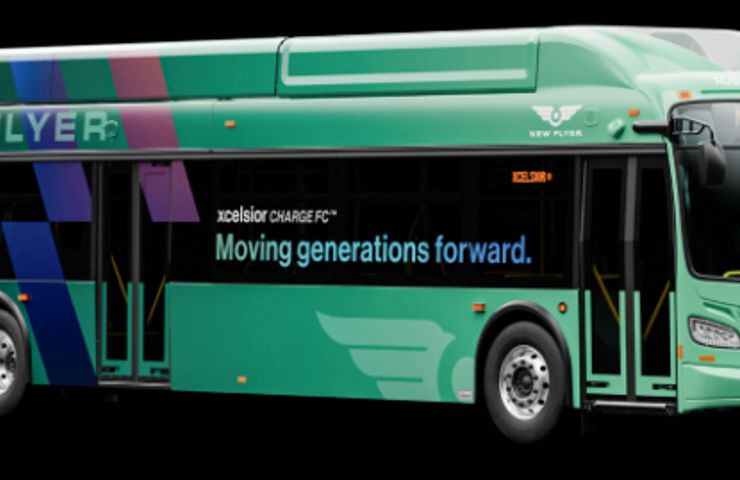
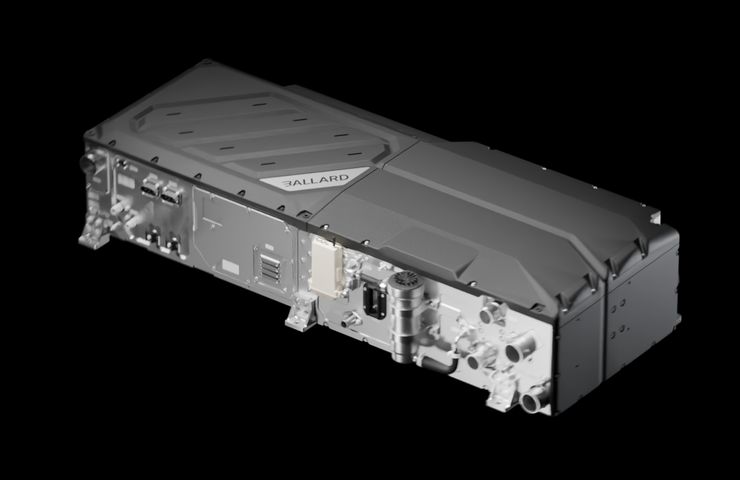
Ballard Power Systems Inc. has announced a significant commercial agreement with New Flyer to supply 500 FCmove-HD+ hydrogen fuel-cell engines. This agreement represents an aggregate stated power output of 50 megawatts (MW) and is intended to facilitate the deployment of New Flyer’s Xcelsior CHARGE FC hydrogen fuel-cell buses across North America. According to Ballard, this marks New Flyer’s largest single commitment to date since their partnership commenced.
Background of the Partnership
Ballard Power Systems, based in Canada, has focused on the design and manufacturing of proton-exchange-membrane (PEM) fuel cells primarily suited for mobility applications like transit buses and trucks since it began to develop fuel cells in the early 1980s. New Flyer, also a Canadian company, is the largest manufacturer of heavy-duty transit buses in North America and has a long history of incorporating alternative propulsion technologies into its buses, including hydrogen fuel cells.
Both companies have a collaborative history that spans over a decade, with earlier projects involving hydrogen fuel-cell demonstrations and deliveries, including early hydrogen-related vehicles in the public transit sector.
Details of the Agreement
The commercial arrangement specifies that Ballard will deliver the FCmove-HD+ fuel-cell engines, designed to offer efficient and reliable energy generation through electrochemical processes rather than traditional combustion. This aspect is vital as these engines convert hydrogen directly into electricity to power the electric drivetrains of the Xcelsior CHARGE FC buses, producing only water and heat as byproducts.
According to Ballard’s announcement, deliveries of the engines are scheduled to commence in 2026, although the specifics regarding contract value and the purchasing transit agencies have not been revealed. Furthermore, the agreement lacks clarity on the precise number of buses associated with this order or the locations where they will be deployed across North America.
Importance of Hydrogen Fuel Cells
This agreement serves as an indicator of the commercial viability of hydrogen fuel-cell technology in the public transit sector. Hydrogen fuel-cell buses are perceived as a viable alternative for transit agencies that face challenges with long daily ranges, rapid refueling needs, and operational performance, particularly in areas where electricity grid capacity may be limited.
However, the economic clarity surrounding hydrogen fuel remains ambiguous. Factors such as hydrogen production costs, availability, and fueling infrastructure play pivotal roles in determining the overall lifecycle emissions and operational economics of hydrogen-fueled buses compared to battery-electric options.
Technological Advancements
The FCmove-HD+ is characterized as a hydrogen-powered fuel cell module that boasts a nominal output rating of 120 kW, promising efficiencies of up to 57%. Moreover, this technology is strategically designed to enhance the performance and longevity of fuel-cell buses, contributing to New Flyer’s efforts to expand its sustainable transit offerings.
Despite the increasing interest in hydrogen as a clean energy source, findings from comparative studies suggest that battery-electric buses can have lower lifecycle greenhouse gas emissions in many scenarios. The decision to invest in hydrogen technology, therefore, reflects not only the search for viable zero-emission alternatives but also the specific operational needs and goals of transit agencies in diverse environments.
Future Implications
The outcome of this partnership will likely hinge on several factors, including the performance and operational reliability of the buses, the development of hydrogen infrastructure, and the competitive pricing of hydrogen as a fuel source. Additionally, the enthusiasm surrounding fuel-cell technology will also depend on transit agencies committing to concrete orders for the buses equipped with these engines later on.
As the industry continues to evolve, stakeholders will closely monitor the progress of Ballard and New Flyer’s collaboration. The agreement potentially signifies a step toward the widespread adoption of clean hydrogen technology, but it also raises questions about its comparative advantages over existing alternatives in the market.