Ceres Power Partners with European Energy Firm to Expand Solid Oxide Fuel-Cell Manufacturing
Ceres Power partners with a European firm to expand manufacturing of solid oxide fuel cells, targeting a capacity of 200 MW. The deal boosts revenue projections to £60 million.
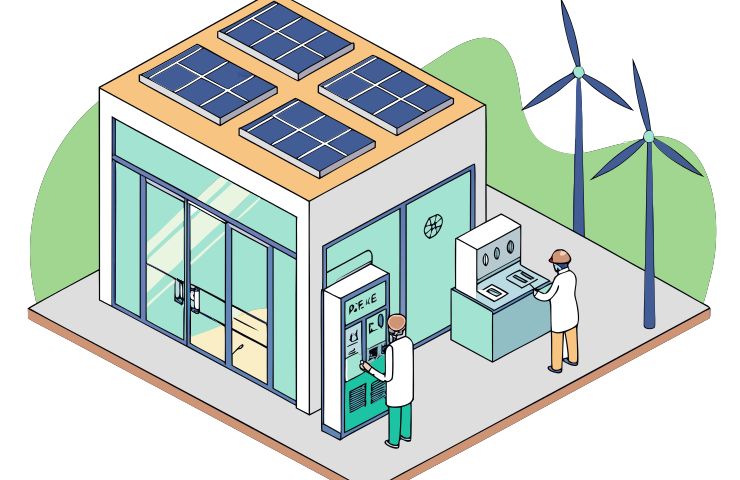
Ceres Power Holdings plc recently announced a pivotal agreement, marking a significant step in the production of solid oxide fuel cells (SOFCs). The deal awards a privately owned European energy-technology firm non-exclusive rights to manufacture the Ceres Endura SOFC products, expanding manufacturing capability across Europe, the Middle East and Africa. It is a partner-led approach rather than a direct build-out by Ceres. The arrangement signals a clear shift from factory ownership to technology licensing, while keeping Ceres’ intellectual property at the centre of the commercial plan.
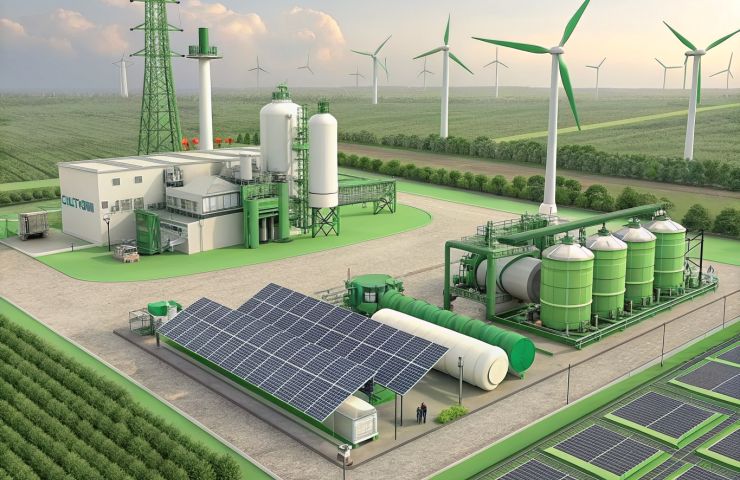
This month, Ceres reported that the new partner plans to establish a dedicated manufacturing facility with approximately 200 MW of capacity. Under the terms of the agreement, the European company will gain access to Ceres’ cell and stack intellectual property, along with engineering support. Those elements form the core of a commercial strategy that Ceres has developed over the years. The licence is non-exclusive, which means other partners can pursue similar manufacturing relationships in the same markets.
Technical Insights into Solid Oxide Fuel Cells
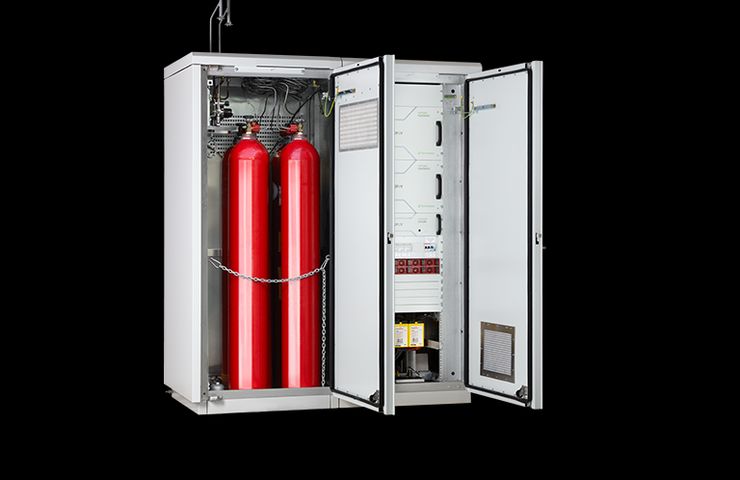
The Ceres Endura platform is designed for stationary power generation and hydrogen production, operating at intermediate temperatures ranging from 450–630°C. At those temperatures the technology drives electrochemical reactions instead of relying on combustion. The result is a conversion process that achieves more than 65% electrical efficiency when using natural gas, and that leaves room for combined heat and power deployment with the potential to exceed 90% total efficiency. In short: the system is built to capture both electricity and usable heat, and to operate on lower-carbon fuels as they become available.
Strategic Business Ventures in the EMEA Region
This manufacturing license is transformative for Ceres as it extends the company's partner-led commercialization model into a major market without the obligation to physically construct or operate the facility. By licensing technology rather than building plants, Ceres can pursue revenue from multiple streams while its partners handle capital-intensive manufacturing. The non-exclusive nature of the agreement allows other partners similarly to exploit these technologies, a strategic choice that can foster broader market penetration and competition across the EMEA region.
The arrangement is designed not only to expand Ceres’ revenue streams through upfront licensing fees and ongoing engineering services but also supports future royalties once commercial production roles out. Those recurring payments are part of the commercial framework Ceres has outlined. Financially, the deal could inject approximately £60 million into Ceres’ fiscal projection for the year, demonstrating the immediate impact the agreement could have on the company’s near-term balance sheet.
Market Potential and Competitive Landscape
Amid rising electricity demand in energy-intensive sectors, the agreement places Ceres in a position to supply reliable power solutions tailored for distributed applications. Data centres, utilities and industrial sites are all mentioned as target use cases where stationary SOFCs can provide continuous, on-site generation. The partner’s commitment to regional manufacturing suggests an intention to localise supply chains and cut lead times for customers across Europe, the Middle East and Africa.
Competition remains fierce. Ceres’ SOFC technology will have to contend with advancements in hydrogen infrastructure, improved battery technologies and ongoing shifts in conventional generation methods. At the same time, the Endura platform’s flexibility — able to run on natural gas today and adapt to lower-carbon fuels over time — positions it differently from single-fuel systems. That adaptability could matter as markets and regulations evolve, though success will depend on deployment scale and the development of complementary infrastructure.
A Vision for the Future
The expected increase in near-term revenue is bullish for Ceres, but the key to long-term success hinges on the partner's execution of the planned facility. If the partner delivers a functioning manufacturing line at the stated scale, the initiative could shorten supply chains and enhance local access to clean technology across the EMEA region. While the pathway to fully sustainable hydrogen fuel cells remains complex, Ceres’ strategy — licensing the Ceres Endura platform, providing engineering support and maintaining IP control — aligns with market trends and regulatory pressure toward lower emissions. Execution will determine whether the commercial model scales as intended and whether the technology secures a lasting role in distributed power and hydrogen production markets.