China's Da'an Green Ammonia Project Secures Extended Certification
The Da'an Green Ammonia Project in China secures its ISCC EU RFNBO certification, marking a significant milestone in green hydrogen production and paving the way for international green fuel exports.
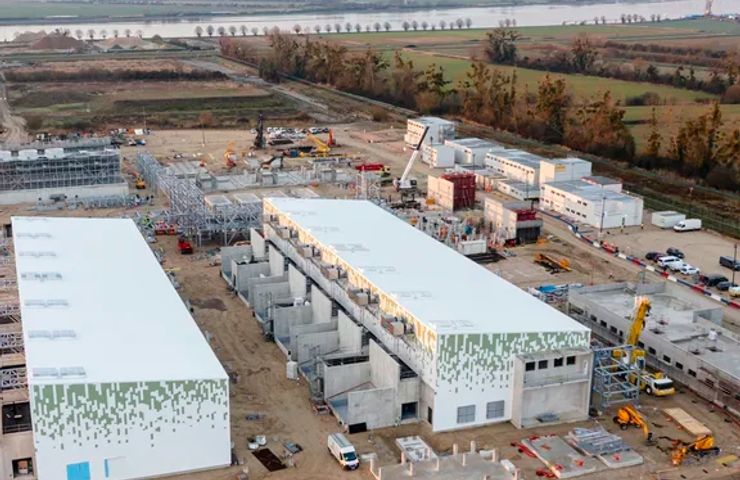
China's Da'an Green Ammonia Project has recently achieved a significant milestone, successfully passing its annual surveillance audit under the ISCC EU RFNBO certification scheme. Operated by Da'an Jidian Green Hydrogen Energy Co., Ltd., the project represents a concentrated effort to integrate multiple renewable sources and downstream synthesis processes to produce both green hydrogen and green ammonia at scale. The certification outcome is a formal recognition tied to that specific scheme; it also signals the project is moving beyond pilot demonstrations and into a phase where verified sustainability credentials matter for markets and partners.
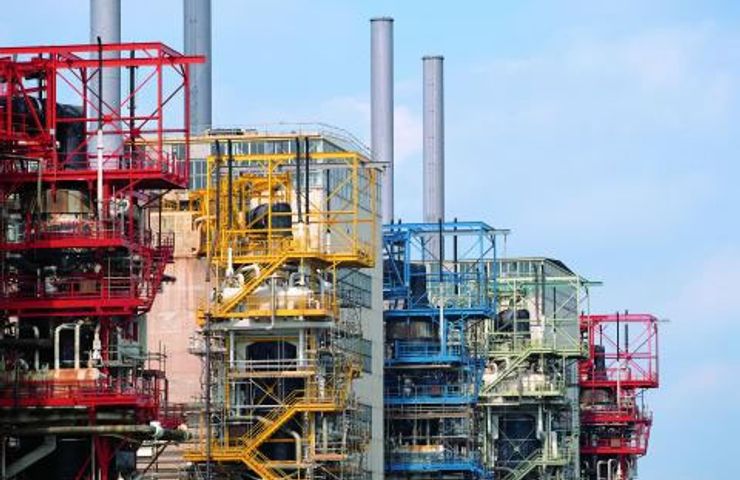
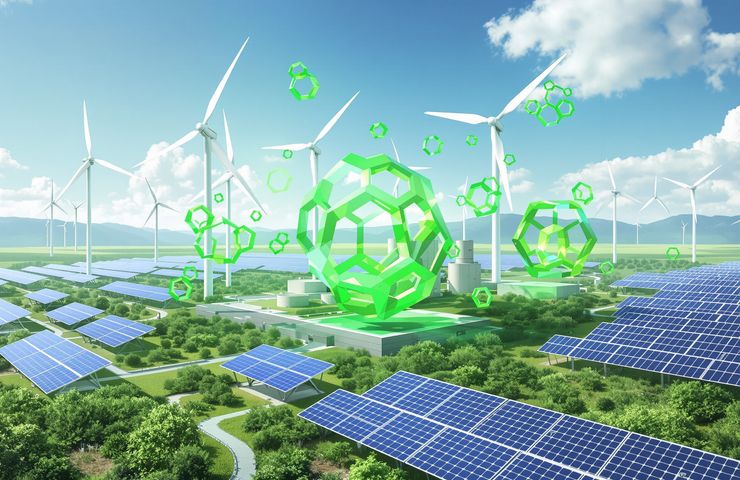
At its core, the Da'an project marries on-site generation from wind and solar electricity with electrochemical conversion. Specifically, those renewable power inputs drive water electrolysis, a process that splits water into hydrogen and oxygen. The hydrogen produced is then combined with nitrogen drawn from air to synthesize green ammonia. That sequence—power to hydrogen to ammonia—frames the project’s engineering design, and it is the route the developers are using both to meet domestic energy needs and to position China as a participant in international markets for green fuels and feedstocks.
Why This Matters
The renewal of the ISCC EU RFNBO certification underlines the project’s capacity to meet the kind of sustainability rules that European regulators and buyers have been defining. Those rules, established by the European Union, put a premium on transparent greenhouse-gas accounting and on other sustainability measures that are considered essential for access to European markets. Meeting such requirements is not merely procedural; it is a gatekeeping condition for trade in certain low-carbon commodities, and for Da'an it ties technical achievement to market credibility and commercial viability.
Real-World Impact: The Shift Towards Green Ammonia
The Da'an installation is designed to produce approximately 180,000 tonnes of ammonia annually, a capacity that places it among larger green-ammonia efforts by output. To manage fluctuating renewable power, the project employs a hybrid electrolysis system that uses both alkaline and proton-exchange membrane technologies. That combination provides operational flexibility: alkaline units can deliver steady, cost-effective hydrogen production under certain conditions, while proton-exchange membrane units respond more rapidly to variable supply. Together, they allow the facility to adjust to changing outputs from wind and solar and to maintain a continuous synthesis feedstock. As implemented, the project functions as a live demonstration — a test case showing how renewable electricity can be routed, converted and stored in the form of a widely traded chemical.
A Strategic Analysis
Institutional backing has helped shape the project’s scale and its technical pathway. Key stakeholders include Jilin Electric Power Co., Ltd. and the State Power Investment Corporation (SPIC), whose involvement provides capital and system-level integration capacity. This sort of support enables larger investments in both equipment and logistics than a single developer might marshal alone. The Da'an project has also already moved commodity into trade: it exported 3,750 tonnes of green ammonia to South Korea, a shipment that the developers cite as evidence of market potential and of commercial traction beyond domestic consumption. That export serves as a tangible example that production and verified credentials can translate into cross-border offtake.
Looking Ahead: The Future of Green Hydrogen
Da'an illustrates a particular pathway for scaling green hydrogen and its derivatives: combine diverse renewables, use mixed electrolysis technologies for flexibility, and attach internationally recognized sustainability certification to the resulting product stream. By doing so, the project aims to meet both environmental criteria and the economic benchmarks required for export. The clear benefits of adopting green ammonia—both environmentally and economically—could change incumbent patterns of production and trade in fertiliser and fuel markets. If similar projects follow the same technical and certification model, they could contribute to broader shifts in how hydrogen production, storage and the associated infrastructure are planned and financed.
Ultimately, the Da'an Green Ammonia Project stands as a concrete example of a commercially oriented approach to low-carbon fuels. As global energy demand and policy frameworks continue to move toward lower emissions, projects that link renewable power, flexible electrolysis and recognised sustainability credentials offer a template other developers and buyers may watch closely. The Da'an effort does not answer every question about cost or scalability, but it does provide a working model for what verified, exportable green-ammonia production can look like in practice.