Newlight Hybrid Retrofit Cuts 24% Fuel on Lomar Bulk Carrier Voyage
Lomar Shipping’s bulk carrier used Newlight’s hydrogen–diesel retrofit on an 8,500-mile Singapore-Ghana voyage, cutting fuel use by 24% and CO₂ emissions by 28%.
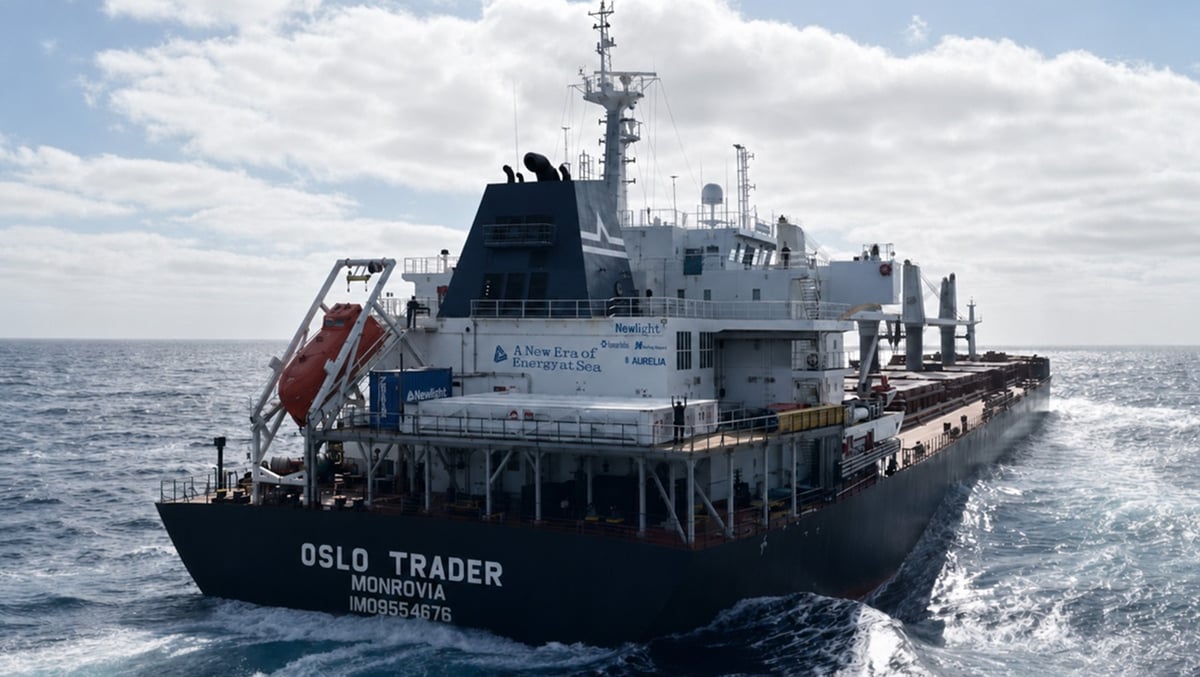
A 199-meter bulk carrier operated by Lomar Shipping recently completed an impressive 8,500-nautical-mile journey from Singapore to Ghana, powered by Newlight’s innovative hybrid hydrogen-diesel engine retrofit. According to the data from Newlight, this retrofit managed to slash diesel consumption by approximately 24% while cutting CO₂ emissions by around 28%. And get this—none of that came at the cost of changing the ship’s size, speed, or cargo capacity. This pilot installation, backed by lomarlabs, went through rigorous Factory Acceptance Testing under the watchful eye of RINA.
How the hybrid system works
So, how does this hybrid system actually work? It compresses hydrogen into storage modules that fit right into the engine room of the ship, along with dedicated piping, safety valves, and injection nozzles. This setup transforms a regular marine diesel engine into a hybrid powertrain. There’s also an onboard controller keeping an eye on in-cylinder pressure, exhaust temperatures, and intake manifold conditions. It smartly meters hydrogen with lightning precision to create an ideal hydrogen-diesel blend. Thanks to hydrogen’s rapid flame speed, combustion efficiency gets a nice bump, which means less diesel is needed for the same power output. And safety first—if any sensors pick up overpressure, temperature spikes, or leaks, the hydrogen flow is automatically shut off, and the engine switches back to pure diesel. Talk about peace of mind!
This design not only builds on the existing engine architecture but also avoids the costly full engine replacements. Newlight’s modular approach is tailored to fit into routine maintenance schedules, enabling installation in under two weeks without needing a drydock. Plus, onboard sensors send data to a telematics platform onshore, allowing operators to fine-tune hydrogen production and consumption across different journeys.
But it doesn’t stop there. The retrofit can also extend to diesel generators, adding hydrogen-diesel blending to auxiliary power. While the initial showcase focused on bulk carriers, this versatile plug-and-play concept can easily adapt for use in container ships, product tankers, and offshore support vessels—meaning it has broad applications for emerging hydrogen vessels and wider marine decarbonization efforts.
Validated by class and engineering partners
Newlight’s retrofit passed through Factory Acceptance Testing, supervised by RINA, for both two- and four-stroke main engines. RINA affirmed the system’s safety layers, electrical setup, and control mechanisms, making sure everything aligns with interim hydrogen guidelines and IGF Code requirements. AURELIA, a naval architecture and marine engineering firm, helped optimize the hardware layout and ensured it meets stability and structural criteria. This institutional backing strengthens trust in hydrogen infrastructure for the shipping sector.
High-flashpoint risks are controlled through various electronic safeguards, flame arrestors, and improved ventilation. RINA's approval sends a clear message to other class societies and port authorities: hydrogen retrofits can meet stringent safety standards.
Collaborative financing and scaling
This Singapore-Ghana demonstration is part of a strategic alliance initiated by lomarlabs, the innovation wing of Lomar Shipping. Lomar Labs co-led Newlight’s $9 million seed financing, teaming up with public and private clean energy programs. This partnership combines equity investment with vessel access and shipyard support, dramatically reducing the risk of capital expenses for Newlight and speeding up commercial rollout.
They also take care of technical communication and regulatory coordination, which makes it easier for early adoption. By pooling startup capital with fleet access, the lab speeds up market entry across Asia, Europe, and West Africa. For shipowners, this partnership provides a great model to pilot hydrogen fuel solutions and look into parallel clean ammonia initiatives.
Operational context
Departing from Singapore, one of the globe’s top bunkering hubs, the retrofitted bulk carrier tapped into the existing port infrastructure and early-stage hydrogen storage networks. Its arrival in Ghana not only illustrates how hydrogen hybrids can benefit emerging markets lacking established low-carbon networks but could also help bulk exporters along the West African coast cut their voyage costs. Meanwhile, local ports are eyeing the development of hydrogen refueling stations and relevant supply chains.
Implications for decarbonisation strategies
With global shipping targets aiming for 5-10% of energy to come from zero or near-zero emissions technologies by 2030—scaling up to net-zero by mid-century—the urgency is real. Retrofitting existing vessels is a quick win for reducing greenhouse gas intensity. The reported fuel savings result in lower operational costs and reduce risk due to fluctuating oil prices and carbon taxes.
However, the overall benefits hinge on how hydrogen is sourced. Emissions during its lifecycle can vary a lot depending on whether it’s produced renewably or from fossil fuels. So, being transparent about how hydrogen is made is crucial for genuine decarbonization.
Early players in this game will also need to keep an eye on byproducts like NOx, which might spike with higher hydrogen blends and could require some additional treatment. Thankfully, regulatory incentives like FuelEU Maritime and carbon pricing could reward hybrid solutions that prove to be safe, efficient, and scalable.
Looking ahead
The voyage involving Lomar and Newlight lays out a practical framework for integrating hydrogen storage and injection into existing engine rooms. As more data from various voyages comes in, independent verifications and port readiness will shape how quickly hydrogen hybrids find their way into the global fleet. This practical bridge technology might just be key to steering the maritime sector towards zero-emission solutions.
About the companies
Newlight is a US-based maritime energy tech firm dedicated to developing hydrogen-diesel retrofit systems for conventional engines. They've completed RINA-approved testing and secured venture capital to expand their solutions. Lomar Shipping is a UK shipowner and manager that established lomarlabs to explore deep-tech decarbonization projects. RINA is an international classification society setting safety standards for hydrogen and other low-flashpoint fuels, while AURELIA provides naval architecture and integration support for marine hydrogen innovations.