Dongfeng Debuts 400kW Hydrogen Fuel Cell and New Hydrogen Vehicles at IAA Transportation
At IAA Transportation in Hanover, Dongfeng revealed three hydrogen vehicles on its new T1 platform alongside a 400kW hydrogen fuel cell, underscoring its bid to drive zero-emission heavy transport forward.
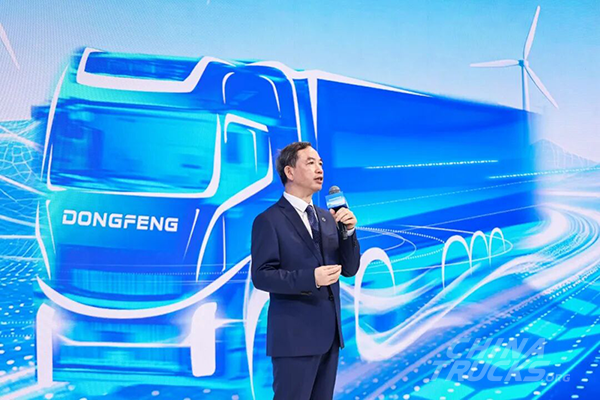
Dongfeng Motor Corporation showcased its latest innovations at the IAA Transportation event in Hanover, Germany, unveiling three hydrogen-powered commercial vehicles along with a brand-new 400kW hydrogen fuel cell system. This move signals a strong push into the heavy-duty vehicle market, indicating that hydrogen fuel cells are gearing up to tackle the challenges of long-haul transport, resource transportation, and urban cold-chain logistics.
Every vehicle on display is based on Dongfeng’s modular T1 commercial vehicle new energy platform. At the fair, company representatives highlighted that the largest model has been optimized for long-haul trips, promising an impressive range of up to 1,700 kilometers with refueling times of only about 15 minutes. The two smaller models are designed for hauling bulk resources and for refrigerated last-mile deliveries, complete with configurations aimed at payload flexibility and temperature control.
Powering Long-Haul with Hydrogen Fuel Cells
Heavy-duty trucking has often pushed the boundaries of battery-electric technology due to issues with weight and lengthy recharge times. This is where hydrogen fuel cell technology comes into play, offering consistent high power output and quick turnaround times. Dongfeng’s new 400kW fuel cell stack offers more capability than their existing 70kW, 150kW, and 350kW platforms, aiming to provide the sustained output needed for intercity and cross-border freight corridors. According to the company, this system is reliable enough to operate in cold climates and at high altitudes, which makes it versatile for various transport needs.
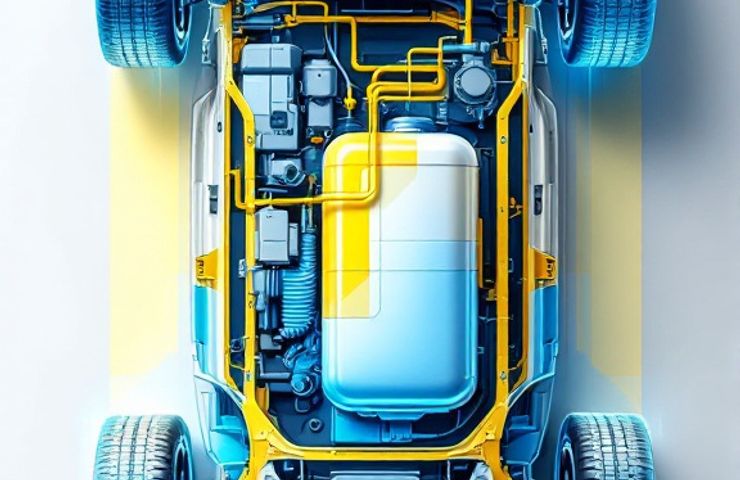
The integration of hydrogen storage and fuel cell systems on the T1 platform is also a big step forward in packaging efficiency. The hydrogen tanks are cleverly mounted along the chassis to optimize weight distribution, and dedicated thermal management circuits ensure that the fuel cells operate at their peak efficiency. There’s also a battery buffer in the mix to handle transient loads and manage regenerative braking, letting the fuel cell work near its optimal operating point. This setup not only increases durability but also trims overall energy consumption—a vital factor in managing fleet costs.
A Platform for Multiple Missions
The T1 architecture isn't just a one-trick pony for hydrogen. Its modular design can also accommodate battery-electric and hybrid powertrains, giving fleet operators plenty of flexibility for different duty cycles. Dongfeng points out that standardized control hardware, safety systems, and chassis interfaces can significantly cut down development time and costs for creating new vehicle variants. So, in practice, a logistics company could easily order identical trucks that work for regional hauls, urban deliveries, and long-distance trips, simply switching out the powertrain depending on each mission’s requirements.
During the IAA Transportation event, Dongfeng executives talked about early partnerships to pilot these vehicles with European fleets. While they kept specific fleet names under wraps, this indicates a serious intention to expand their reach beyond China and into markets where regulations favor zero-emission vehicles and incentives are pushing a quick fleet turnover. Plus, it shows growing optimism that a solid hydrogen infrastructure can be developed along key routes in Germany and surrounding countries.
Bridging the Infrastructure Gap
One of the biggest challenges for hydrogen vehicles has been finding enough refueling stations. Germany has seen a steady increase in hydrogen refueling stations, but they’re mostly located along major highways and in industrial areas. Expanding that network will need strong public-private partnerships, quicker permitting processes, and clear indications of demand from fleets. Dongfeng’s showcase doubles as a rallying cry for policymakers and energy companies, emphasizing how interdependent vehicles, hydrogen storage, and supply chain logistics are.
As fleets develop plans for transnational routes, logistics software has to navigate the current patchwork of refueling stations. Dongfeng’s own demonstration fleets in China have logged impressive mileage, providing a rich dataset that will aid in refining station locations and operational protocols.
Advocates emphasize that the method of low-carbon hydrogen production—be it from renewable electrolysis or low-carbon reforming—will heavily influence the environmental benefits of fuel cell trucks. In Europe, policy efforts are in place to promote green hydrogen production, but obstacles around water sourcing, grid impacts, and renewable certification continue to exist.
Strategic Implications for Global Markets
With the launch of its 400kW stack in Hanover, Dongfeng is making a bold statement: Chinese manufacturers are ready to compete in the advanced zero-emission vehicle market beyond Asia. This development could open doors for suppliers of membranes, catalysts, electronics, and lightweight materials, potentially leading to new investments in production and R&D partnerships.
Fleet operators will need to carefully consider the total cost of ownership when it comes to these fuel cell trucks. Beyond just vehicle prices, the viability of hydrogen trucks hinges on the availability and stable pricing of hydrogen. Compared to battery-electric options, fuel cells offer quicker refueling times but necessitate a separate fuel supply network. As one logistics manager noted at the event, clear rollout plans for refueling stations and stable pricing will be crucial for widespread adoption.
Fuel Cells vs. Battery-Electric in Heavy Transport
In the debate over zero-emission trucking, hydrogen fuel cells and battery-electric powertrains both have their unique advantages. Fuel cells excel in long-range travel and heavy-load routes, where it’s vital to separate the energy storage weight from runtime. On the other hand, battery-electric trucks shine in urban settings with established charging stations. A dual-approach strategy is emerging: fleets may utilize both technologies, strategically deploying each for specific segments of their supply chain.
For Dongfeng, this launch is just the beginning of a broader strategy to reshape market expectations and gather operational data. Whether hydrogen fuel cells will become a mainstream solution or stay a niche option in heavy transport will largely depend on ongoing advancements in hydrogen production, infrastructure growth, and supportive policy frameworks. Right now, Dongfeng has set the pace toward zero-emission logistics—and it’s up to the industry to keep up.