Dongfeng Liuzhou and CATL Enhance Commercial Vehicle Battery Standards and Hydrogen Fuel Cell Integration
Dongfeng Liuzhou Motor and CATL deepen their partnership with a five-year pact to standardize commercial vehicle batteries, pioneer a battery bank model and integrate hydrogen fuel cell vehicles.
Recently, in the bustling city of Ningde, Fujian, two major players—Dongfeng Liuzhou Motor and Contemporary Amperex Technology Co., Limited (CATL)—have come together to kick off a five-year strategic partnership. This isn't just a typical supplier agreement; it’s more of a full-blown ecosystem collaboration. Their focus is on commercial vehicle battery systems, innovative business models, and incorporating hydrogen fuel cell vehicles into the mix. This is perfectly in tune with China's ambitious goals for industrial decarbonization and pushing forward with zero-emission technology in freight and public transport. Dongfeng Liuzhou, part of the Dongfeng Motor Group, is no small fish either—they roll out around 100,000 commercial vehicles and 400,000 passenger cars annually under its Chenglong and Forthing brands and are ramping up their new energy vehicle lineup to tap into local and international demand.
As one of the pioneers in Guangxi, the company boasts a history that goes back to the mid-1950s when it was just a humble farm machinery factory. After producing the very first regional truck in 1969, it blossomed into a vital production hub in southern China and is now setting its sights on leading the charge in both battery-electric and hydrogen fuel cell markets.
Developing Commercial Battery Standards
This partnership isn’t just about working together; it's about creating unified technical specifications for various aspects like cell formats, pack dimensions, energy density targets, and safety systems. They'll delve into thermal management techniques—ranging from liquid cooling to innovative phase-change materials—and advanced battery management systems tailored specifically for trucks and specialty vehicles with high-duty cycles. By establishing common interfaces for modules and connectors, they're aiming to simplify how vehicles are put together, speed up assembly line scaling, and cut down engineering costs for fleets juggling multiple vehicle types with different duty schedules.
With CATL’s prowess in high-energy-density chemistries and quick-charging platforms, this partnership is set to explore cutting-edge materials—like silicon-doped anodes and nickel-rich cathodes—to enhance cycle longevity and charging efficiency. Dongfeng Liuzhou will take the reins in testing these systems on its dedicated tracks, mimicking real-world hauling routes and cycles to fine-tune performance before mass production kicks off.
Pioneering a Battery Bank Model
One of the biggest hurdles in the road to commercial electrification is the hefty initial battery costs. That’s where the new battery bank model comes in. It treats battery packs as standalone assets owned by a dedicated entity that leases them to fleet operators based on usage or subscription terms. Thanks to remote telematics and BMS data streaming into a centralized asset-management platform, operators can effectively predict maintenance needs, optimize charging schedules, and redistribute battery packs across vehicles or depots. This strategy not only spreads out financial risks but also aligns costs with actual usage, making it way easier for small and medium enterprises to dip their toes into electric truck territory without shelling out huge amounts upfront.
By pooling standardized modules, this battery bank can replace aging packs more efficiently and open up avenues for second-life applications or recycling programs—this is how you support a circular economy for lithium-ion batteries while chipping away at broader sustainable energy goals.
Integrating Hydrogen Fuel Cells
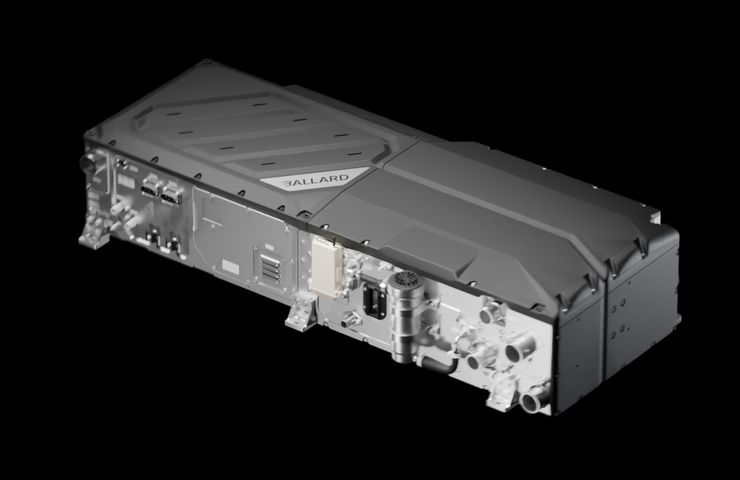
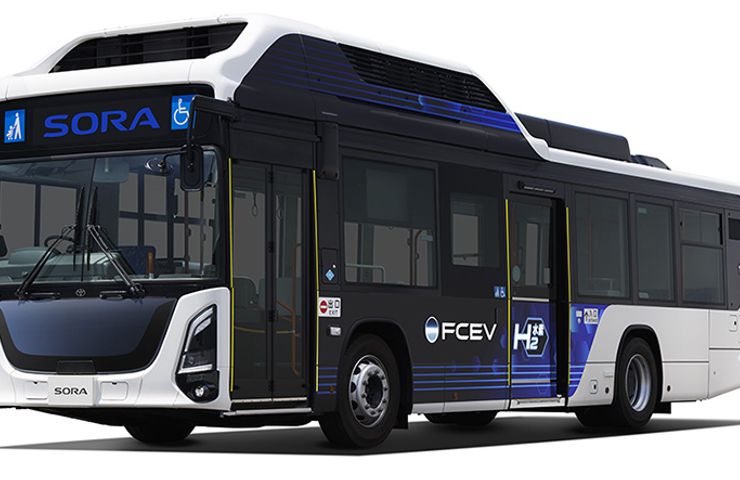
You see, electric trucks are fantastic for urban and regional routes, but when it comes to long-haul logistics, you need that powerful energy density and speedy refueling. This partnership is tackling that head-on by diving into R&D for hydrogen fuel cell–battery hybrid powertrains. CATL will be standardizing battery interfaces specifically for fuel cell vehicles, ensuring smooth communication between PEM fuel cell stacks, high-pressure hydrogen storage, and battery buffers. Setting shared specs for cooling systems, power electronics, and refueling connectors will not only make integration simpler but also promote safety.
Plus, by connecting with those up-and-coming hydrogen refueling networks—whether they’re highway stations or industrial parks—the partners are planning to roll out demonstration fleets of fuel cell trucks. They’ll gather precious operational data and fine-tune maintenance protocols ahead of the broader rollout.
Strengthening Supply Chain Resilience
This partnership goes beyond just technology; it's also about solidifying their supply chains. CATL and Dongfeng Liuzhou are aligning their strategies for procuring critical minerals—like lithium, cobalt, and nickel—to ensure steady supply and keep costs in check. They will set up joint testing facilities to gauge material performance under tough duty cycles while using shared logistics networks to cut down lead times. Throw in some localized electrolyzer deployments for producing green hydrogen using renewable energy, and you create a seamless integration of hydrogen production methods and storage solutions with vehicle fleets. This kind of synergy ramps up their resilience against market fluctuations and speeds up the launch of new energy commercial vehicles.
Aligning with National Policies
The Chinese government has laid out ambitious objectives through its New Energy Vehicle Industry Development Plan and the Hydrogen Fuel Cell Vehicle Technology Roadmap, aiming for a massive shift towards electrified and hydrogen-powered commercial fleets. With a phase-out of NEV tax incentives on the horizon, the industry really needs to innovate cost-reduction strategies. By standardizing technology and championing asset-based financing via that battery bank model, this alliance is right on track to support the government’s goals for rolling out clean energy trucks and buses. It also aligns perfectly with policies that encourage on-site electrolysis, green hydrogen production, and the expansion of hydrogen infrastructure.
Navigating a Competitive Landscape
And they’re not alone—other OEMs are also looking to build strong ties with battery suppliers, with efforts like FAW Jiefang’s on battery swapping and various collaborations sprouting between global truckmakers and local cell manufacturers. By covering both battery-electric and hydrogen fuel cell areas in one partnership, Dongfeng Liuzhou and CATL are really setting themselves apart with a thorough, vertically integrated approach to R&D, production, and financing. They’ve even got plans to showcase demo units at major industrial parks, highlighting interoperability and performance in real-world logistics scenarios.
Expanding Market Reach
Dongfeng Liuzhou Motor is already exporting to regions like Southeast Asia, the Middle East, and Africa, where the demand for reliable, economical commercial vehicles is on the rise. By working together, they can deliver comprehensive solutions—vehicle chassis, battery or fuel cell powertrains, and asset-service packages—enabling logistics operators in developing markets to embrace hydrogen fuel cell technology and battery-electric trucks without facing massive barriers to entry.
Looking Forward
In the upcoming years, these partners are eyeing the launch of pilot fleets in key logistics hubs, gathering essential performance data to fine-tune their offerings. They're also exploring digital services—like fleet management platforms, remote diagnostics, and over-the-air updates—to boost uptime and optimize total cost of ownership. As service stations emerge to manage battery maintenance and hydrogen refueling, successful pilot initiatives could lay the groundwork for extensive rollouts along China’s Belt and Road corridors and help establish global standards for making commercial vehicles electric.