Electrified Lightbulb Reactor Unlocks Hydrogen Production and Industrial Decarbonization
NUS researchers have built a lightbulb-inspired electrified reactor that reaches over 1,200°C in a compact design, demonstrating lab-scale ammonia cracking for hydrogen, plastic depolymerization to monomers and methane upgrading to ethylene and hydrogen. Powered by electricity, this platform may reshape industrial decarbonization if scale-up and efficiency targets are met.
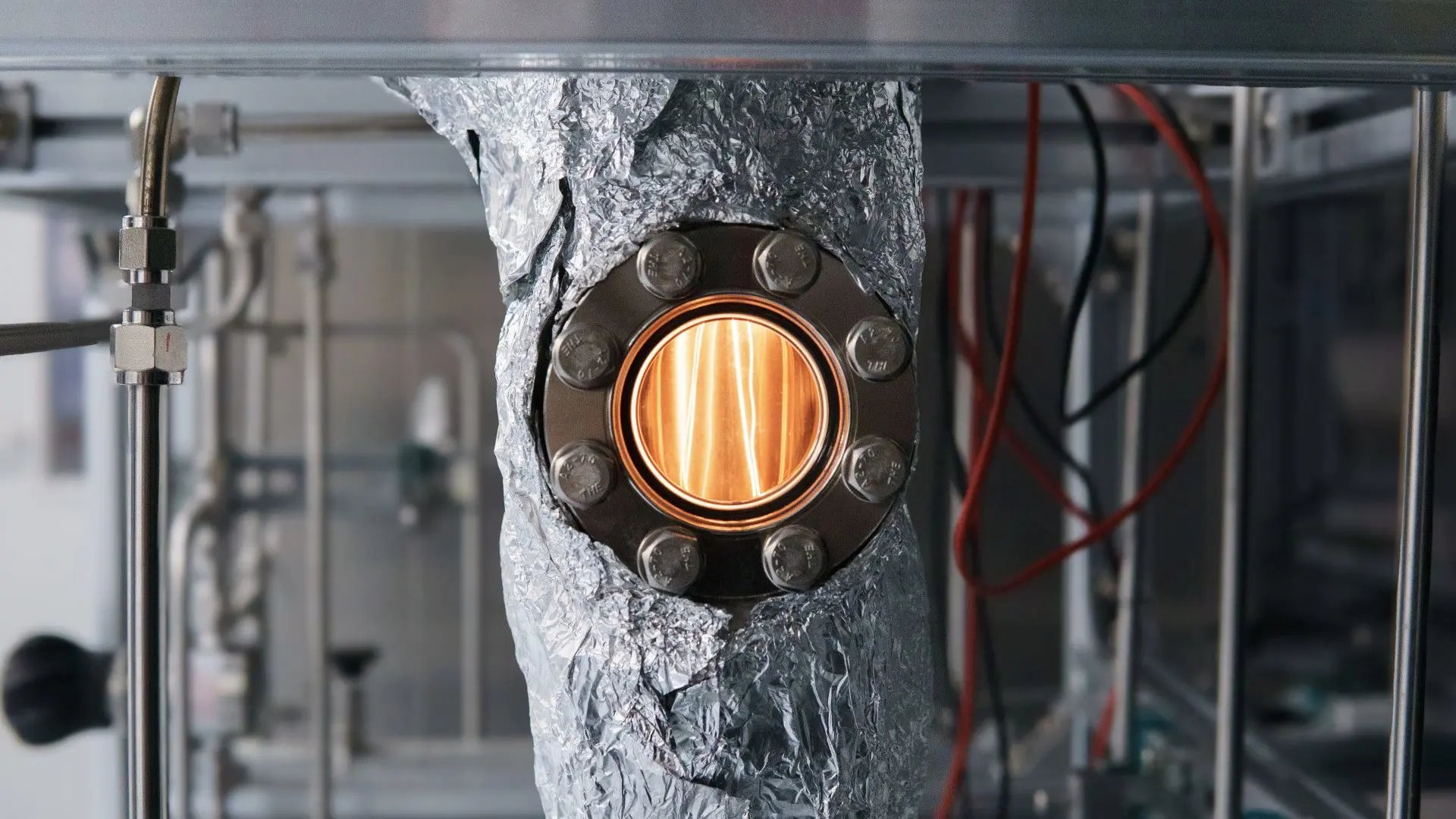
At the National University of Singapore (NUS), a team of innovative researchers is shaking things up in the realm of decarbonization. They've taken inspiration from something as simple as household lightbulbs to tackle some tough challenges faced by heavy industry. So, what have they come up with? A nifty, compact chemical reactor that uses a thin metal filament, reminiscent of that glowing wire in an old-school incandescent lightbulb. By zeroing in on Joule heating within this filament, they can crank up the internal temperatures to over 1,200°C—and even close to 2,300°C in some tests—without the whole reactor getting too hot. This clever temperature gradient opens up a world of possibilities: it activates stable molecules right at the filament while keeping things cooler near the walls, all fueled by clean electricity. This could be a game-changer for hydrogen production, precise plastic recycling, and upgrading methane, steering heavy chemical processes away from the traditional fossil-fueled furnaces we’re used to.
Professor Yan Ning, who leads the charge at the Centre for Hydrogen and Carbon Innovations (CHCI)NUS, has guided the team through some pretty exciting advancements. They’ve showcased three key applications that span various research areas and have made a splash in major journals. Their work on plastic depolymerization was highlighted in Nature Communications, ammonia cracking results made it to Nature Chemical Engineering, and their efforts on methane conversion popped up in Nature Sustainability. First off, they’ve designed a reactor that cracks ammonia into hydrogen and nitrogen with impressive efficiency, all while taking up far less space than those traditional furnace-style setups. Then, there's the exciting chemical depolymerization of polyolefin plastics—think polyethylene and polypropylene—into olefin monomers with selectivity hitting up to 65%. This offers a cleaner recycling option that gets closer to virgin polymer feedstock. Lastly, the reactor tackles methane, directly converting it into ethylene, BTX aromatics, and hydrogen across two varied temperature zones. Right now, it’s still in the lab-testing phase, but it shows great promise as a versatile platform for hydrogen production and tackling industrial decarbonization, fitting perfectly within Singapore’s hydrogen strategy and the broader push for global net-zero goals.
Electrified Filament Reactor Architecture
The real magic lies in how they designed this reactor. A transition-metal filament—most often made of molybdenum—is energized by an electrical current that creates intense local heat through the Joule effect. In their ammonia and methane tests, this filament hits temperatures of more than 1,200°C, and when it comes to plastics, it can reach about 2,300°C! Surrounding this hot filament is a ceramic or metal chamber that has a catalyst-lined inner wall, which stays at much lower temperatures, typically between 150°C and 350°C. As reactant gases or vaporized polymers flow past the filament, the extreme heat breaks stable bonds—like the N–H bonds in ammonia, C–C bonds in methane, and the chains in plastics—creating reactive intermediates. These intermediates later move to the cooler catalytic zone where specially chosen catalysts help refine the creation of target products such as hydrogen (H₂), ethylene (C₂H₄), or olefin monomers, all while avoiding unwanted byproducts.
Decarbonization Applications at a Glance
Ammonia Cracking: Breaking ammonia (NH₃) down into hydrogen and nitrogen is crucial for efficient ammonia-based hydrogen logistics. Traditional methods heavily rely on large, fossil-fuel-driven furnaces to reach 800–1,000°C. In stark contrast, the NUS reactor pulls off near-total conversion electrically, thanks to its compact design that can theoretically rely on renewable power. Under lab conditions, hydrogen yields exceed an impressive 99%, potentially offering a smart solution for on-site hydrogen recovery—perfect for refueling fuel cells and other industrial processes.
Plastic Depolymerization: Chemical recycling approaches like pyrolysis or multi-stage steam reforming often end up with messy mixtures that require a lot of extra work to separate. The filament reactor simplifies things by promoting quick thermal cracking of polyolefins into monomers in just nanoseconds due to those extreme filament temperatures. With monomer selectivity as high as 65%, the process generates cleaner streams of ethylene and propylene, which can be reused in polymer creation, pushing us closer to a circular plastics economy while minimizing waste.
Methane Conversion: The conventional steam cracking of methane for producing ethylene and hydrogen is a staple in petrochemical production, but it also releases a hefty amount of CO₂. The NUS reactor’s method is a breath of fresh air. By directing methane past a hot filament for activation, and then onto a cooler palladium-based catalyst, the reactor produces C₂H₄, BTX aromatics, and H₂ without needing a combustion-based heat source. Recent lab tests show impressive yields, with over 60% for olefins and about 62% for hydrogen—again, all without traditional fossil fuel reliance.
Strategic Implications and Business Context
For Singapore, with its high-density living and energy demands, this lightbulb-inspired reactor represents a fascinating opportunity. The nation has set ambitious goals to cut down industrial CO₂ emissions and ramp up its renewable energy share. The NUS team’s modular, multi-tube design, which can integrate up to 1,700 filaments to potentially generate around 100 kilograms of hydrogen a day, could be a game-changer. If this translates into real-world systems, chemical plants might be able to replace large, fuel-fed furnaces with smaller electrified units. This shift could mean reallocating funds from big boilers to these efficient reactors, all while lowering emissions and complying with carbon pricing or clean hydrogen directives.
Position in the Evolving Decarbonization Landscape
While the electrified filament reactor marries themes from high-temperature catalysis, waste-to-hydrogen research, and methane pyrolysis, it stands out for its unique ability to separate activation and selectivity all within one device. Conventional hydrogen production still leans heavily on steam methane reforming, with fresh green hydrogen technologies from electrolyzers also on the rise. Plastic recycling methods are broad—from mechanical and pyrolysis to advanced catalytic—but often battle issues with energy efficiency or tricky product mixtures. Though methane pyrolysis and photothermal reforming are gaining ground as low-carbon pathways, they come with their own challenges in scaling and materials. The NUS reactor design tackles these problems by concentrating heat, cutting down reactor size, and using electricity, which positions it well as industries look for hydrogen infrastructure and cleaner feedstock options.
Looking Ahead
So far, all the performance metrics have come from lab-scale setups. There are still big questions surrounding filament durability over time, long-term catalyst stability, risks of carbon buildup, and overall energy efficiency when real processes are involved. We need comprehensive techno-economic analyses and life-cycle assessments to determine if the operating costs and initial investments can stack up against traditional furnaces. If funding and partnerships align, we might see pilot projects pop up in industrial zones within the next few years. Integrating with existing process control systems and renewable energy sources will be key to demonstrating real carbon savings and operational flexibility under varying loads. The vision is clear, though: a dynamic, electrified reactor system that can elevate green hydrogen production, back a circular plastics economy, and slash methane emissions—that's a transformation we’re ready to watch unfold.