Enapter Secures US Pilot Order for Mobile AEM Electrolyzers in Green Hydrogen Drone Refueling
Enapter AG has secured a €0.5 million pilot order from an unnamed US drone maker for AEM 4.1 electrolyzers, to power mobile green hydrogen refueling systems for fuel cell drones in Q4 2026.

Enapter AG has landed a pilot order from a US drone manufacturer for its AEM 4.1 electrolyzers, aiming at mobile, off-grid green hydrogen production and refueling. The order is worth about EUR 0.5 million, with the units expected to roll in during the fourth quarter of 2026. These electrolyzers will fit into self-sufficient systems powered by solar panels and water sources. This venture emphasizes the growing significance of decentralized green hydrogen production and electrolysis in extending the operational reach of hydrogen fuel cell drones.
Key Takeaways
- The order includes multiple AEM 4.1 series electrolyzers, set for delivery in Q4 2026 at a value of around EUR 0.5 million.
- These systems will create mobile, all-terrain refueling units that produce hydrogen on-site from water and solar energy.
- The prototype aims to lessen reliance on compressed gas logistics and enable quick, on-the-spot refueling.
- With hydrogen fuel cell propulsion offering higher energy density than batteries, drones can enjoy extended mission times.
- This pilot project aligns with larger trends in distributed hydrogen infrastructure for remote and defense applications.
Technical Overview
Anion exchange membrane (AEM) electrolysis is at the heart of Enapter’s modular approach. Operating in a mildly alkaline environment means AEM electrolyzers dodge those pricey catalysts like iridium, using more readily available materials instead. This choice supports stable supply chains and keeps manufacturing costs in check. The 4.1 series stacks respond swiftly to changes in solar input, making them an efficient match for renewable energy sources.
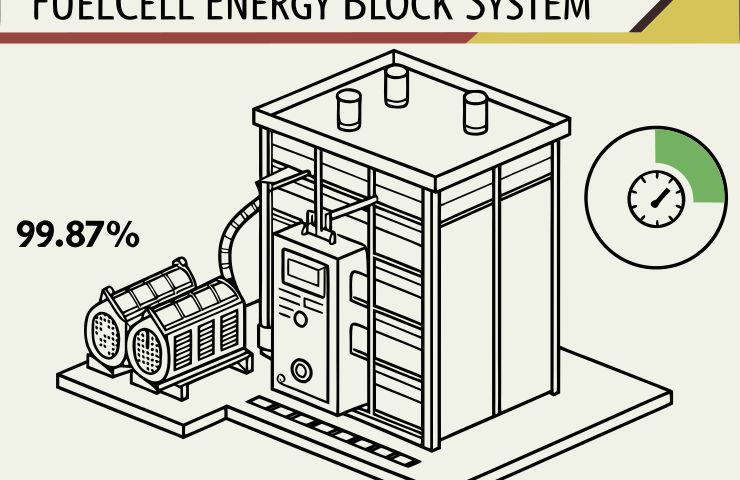
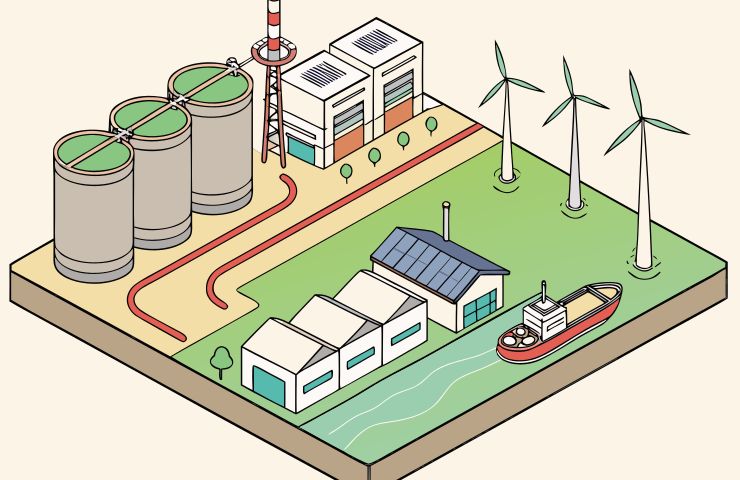
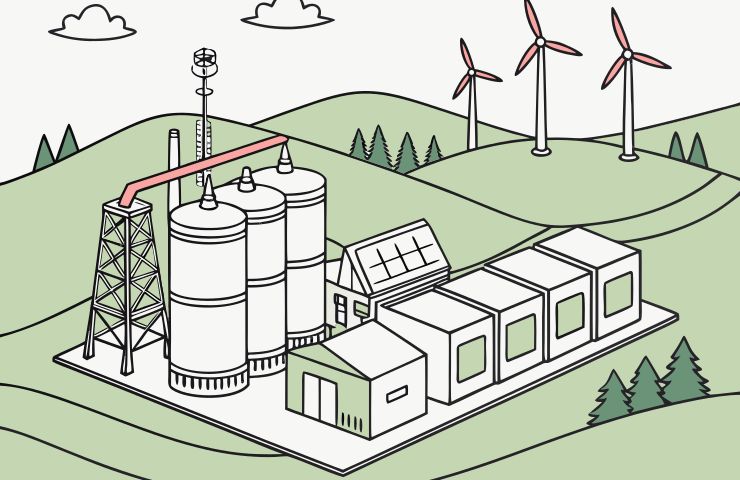
In this mobile refueling system, AEM modules buddy up with water purification units, an energy management controller, storage tanks, and dispensing tools. Solar arrays generate the necessary electricity, while pumps move water through the electrolyzer to produce hydrogen and oxygen. From there, hydrogen is either compressed or sent at a moderate pressure to on-site fuel cell drones. This setup can be containerized or trailer-mounted, cutting the need for grid connections and slashing transportation emissions linked to cylinder deliveries.
Plus, remote monitoring software keeps an eye on performance metrics—think voltage, current, and flow rate—while supporting preventative maintenance. Thanks to a stacked design, operators can scale up capacity easily just by adding or swapping modules—essential when conditions on the ground or mission needs shift.
Operational Advantages
- Extended endurance: Hydrogen’s high energy density gives fuel cell drones an edge, allowing for longer flights compared to battery-powered alternatives.
- Rapid refuel times: On-site hydrogen production means cutting downtime from hours of charging to mere minutes of fueling.
- Modularity: Additional AEM stacks can be brought in to meet changing hydrogen demands.
- Logistics simplification: No need to depend on third-party gas suppliers or deal with high-pressure cylinder transport.
- Infrastructure resilience: Solar-driven electrolysis keeps things running smoothly in remote areas or places with weak infrastructure.
Business Implications
While this pilot order may be modest in scale, it represents a strategic step for Enapter. Showing reliable performance in tough conditions could lead to more follow-up orders—not just for drone applications but also for marine, rail, and remote communications sectors. This deal opens up avenues for system integrators and service providers, ranging from solar installers to maintenance crews.
For the unnamed US drone manufacturer, on-site hydrogen production offers more than just operational efficiency. It can significantly reduce total costs by cutting down logistics fees, cylinder rental expenses, and carbon penalties. On top of that, this pilot could pave the way for energy-as-a-service models, where operators subscribe to hydrogen supply instead of sinking money into a full infrastructure setup. As both commercial and government sectors ramp up their search for zero-emission solutions, these modular refueling systems might just become standard support assets.
Market Context
The hydrogen fuel cell drone sector is shifting from proof-of-concept to actual deployment. While battery-electric UAVs do well for short missions, longer ones—especially those beyond visual line of sight—need more energy-dense options. That’s where hydrogen fuel cells come into play, although their uptake has been held back by the lack of convenient refueling stations. Typical uses include power line inspections, pipeline monitoring, aerial mapping, and search-and-rescue, all of which gain an advantage from extended flight times and fast refueling cycles.
In response, various pilot programs around the world have trialed trailer-based or containerized hydrogen stations. However, many of these still rely on green hydrogen brought in or produced through fossil-fuel processes like steam methane reforming. Enapter’s solar-integrated AEM units break through these barriers, aligning with global moves towards distributed hydrogen production methods and local energy resilience.
Environmental and Regulatory Factors
Generating green hydrogen via renewable-powered electrolysis can significantly lower lifecycle emissions compared to diesel generators or compressed-gas delivery. The pilot uses solar energy, although the overall environmental benefits hinge on the broader energy mix and manufacturing impact of the system. It’s also crucial to ensure safe handling of pressurized hydrogen. Standards like ISO 19880-1 for hydrogen refueling stations and national guidelines for UAV operations enforce stringent requirements for leak detection, ventilation, and emergency shutdown procedures.
These protocols ensure that mobile refueling systems meet the same safety standards as permanent installations, a key factor that could influence military, emergency response, and commercial adoption.
Outlook and Next Steps
Upcoming field trials will test how well the system holds up, how easy it is to maintain, and how it performs in real-world use. Success here could validate Enapter’s technology roadmap and grab the attention of defense agencies, utility operators, and commercial service providers. There are still questions surrounding water sourcing in dry areas, solar variability, seasonal performance, and how costs stack up against battery-electric options. There’s also the possibility of integrating these refueling units into microgrid or hybrid power solutions that blend solar, hydrogen, and grid backup for uninterrupted operation.
Ultimately, this pilot could be a big step toward broader deployment of modular green hydrogen infrastructure. If Enapter’s AEM stacks prove to be rugged and cost-effective in this challenging setting, we may witness a shift in how drone operations—especially those in remote or logistics-heavy areas—secure their energy supply. Transitioning from fossil-fuel generators and battery swaps to clean, on-demand hydrogen could redefine the economics of long-endurance missions and open up new possibilities in tough or hard-to-reach environments.
About the Company
Enapter AG, based in Germany with research and production hubs in Italy, specializes in manufacturing patented AEM electrolyzers for decentralized green hydrogen production. Built on technology acquired from ACTA, the company’s stackable systems are making waves in various sectors like energy storage, industrial processes, power generation, mobility, and research, with thousands of units already in operation worldwide.