Energiepark Bad Lauchstädt is now producing green hydrogen
Energiepark Bad Lauchstädt has produced green hydrogen for the first time, utilizing a 30-megawatt electrolysis plant powered by a 50-megawatt wind farm. Collaborations among key industry players underscore the project's significance in advancing sustainable technology.
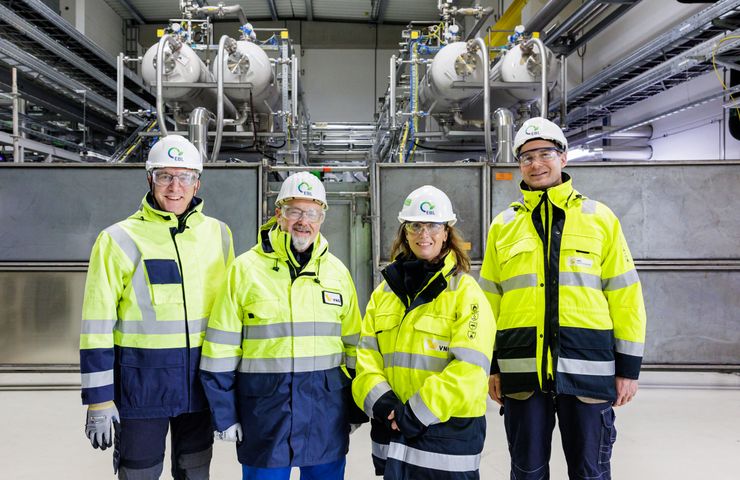
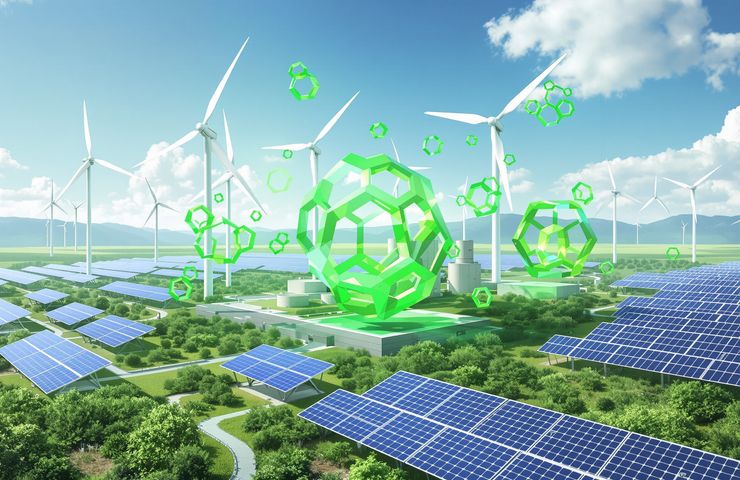
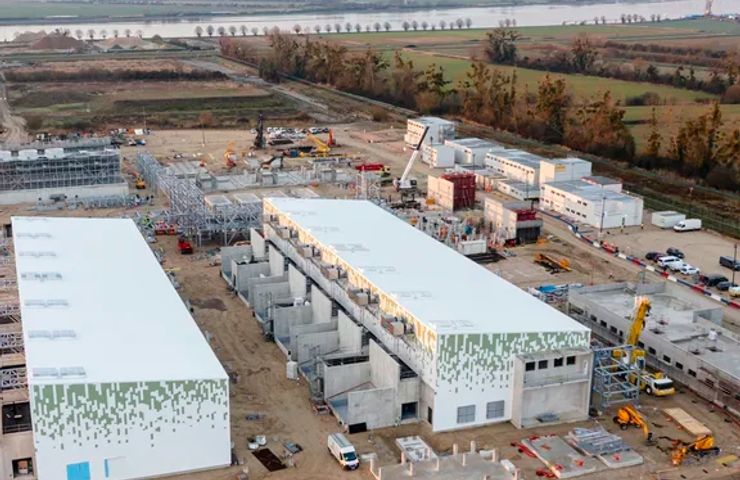
The Energiepark Bad Lauchstädt is poised to reshape the renewable energy landscape in Sachsen-Anhalt, Germany. This project recently hit a significant milestone: it produced green hydrogen for the first time from its 30-megawatt electrolysis plant. Renewable electricity for the electrolyzer comes from a connected 50-megawatt wind farm. The facility uses pressurized alkaline water electrolysis to convert water into hydrogen and oxygen – a significant step forward in sustainable technology. That combination of on-site generation and electrochemical conversion is central to the park’s concept. It links wind power directly to hydrogen production, reducing reliance on external electricity sources while testing the operational dynamics of a relatively large electrolyzer coupled to variable renewables.
Renewable Energy Meets Cutting-Edge Technology
The electrolyzer, provided by Sunfire GmbH, is built from three modular 10-megawatt units, an arrangement intended to balance scale and flexibility. Modularity allows operators to run portions of the plant when wind output is low and to ramp up quickly when generation rises. The design aims to maximize efficiency without committing a single, monolithic unit to every operating mode. The result? An impressive hydrogen output of up to 600 kilograms per hour, equating to a projected annual production capacity between 2,000 and 4,000 tonnes. Those figures frame the project’s immediate contribution to regional supply and its potential role as a steady industrial feedstock. In practice, operators will manage the plant across a range of loads, assessing how the electrolyzer responds to real-world wind variability and grid conditions.
A Collaborative Effort
This achievement is the product of partners bringing different strengths. Uniper SE and VNG Handel & Vertrieb GmbH oversee the project through their joint venture, Elektrolyse Mitteldeutschland GmbH. Their experience in energy trading and hydrogen marketing complements the technical capabilities supplied by Sunfire. Meanwhile, the Federal Ministry for Economic Affairs and Energy provides crucial funding, underpinning the financial case for up-front investment in electrolyzers and associated infrastructure. In short, public support and private sector know-how are both explicit parts of the project’s architecture. That mix of funding and operational skill is intended to reduce commercial risk while accelerating learning about how to run and integrate electrolyzers at scale.
Transforming Infrastructure and Industry
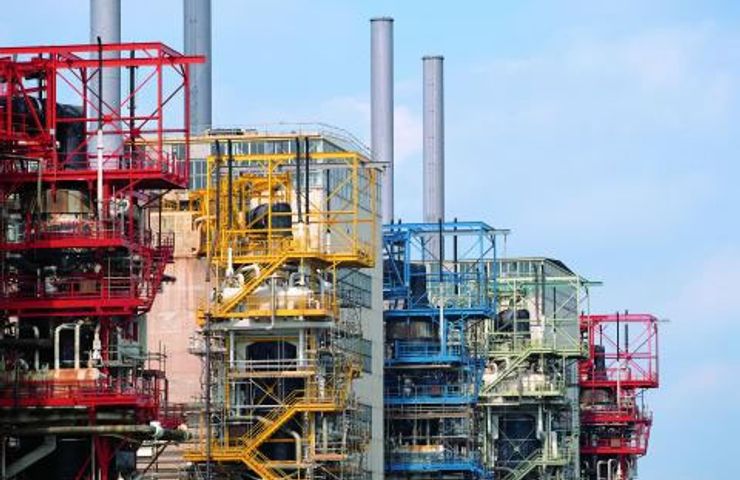
The hydrogen produced is intended for industrial use, primarily to supply TotalEnergies’ refinery in Leuna. Bringing this hydrogen to market involves more than production; it requires transport and integration into existing industrial supply chains. To that end, approximately 25 kilometers of a repurposed natural gas pipeline, upgraded by ONTRAS Gastransport GmbH for hydrogen transport, will carry the hydrogen to its new home, reducing the need for entirely new infrastructural developments. Reusing pipeline corridors and assets shortens lead times and can lower capital expenditure compared with building fresh routes. The decision to route hydrogen to a refinery further underlines the project’s focus on industrial decarbonization rather than solely on new mobility or consumer markets.
A Model for Sustainable Future
Bad Lauchstädt’s design extends beyond production to include planned underground storage in salt caverns, creating a buffer for production and consumption fluctuations. That storage capacity is intended to smooth daily and seasonal mismatches between when wind generates electricity and when industrial demand for hydrogen peaks. The project thus becomes a real-world laboratory for sustainable hydrogen applications, bringing together multiple aspects of the hydrogen value chain, including generation, storage, treatment, and industrial utilization. Lessons learned on how to operate those pieces together will inform whether similar integrated systems can be replicated elsewhere, and how operators might optimize scheduling, maintenance and commercial contracts across the chain.
A Broader Impact on Society and Environment
The significance of the Energiepark extends beyond immediate hydrogen production. This initiative highlights Germany's commitment to its National Hydrogen Strategy, underscoring a larger ambition of achieving at least 10 gigawatts of electrolyzer capacity by 2030. As hydrogen plays a crucial role in decarbonizing industry, projects like Bad Lauchstädt pave the way for a more sustainable energy economy, potentially preventing thousands of tonnes of CO2 emissions annually. Policymakers and industry observers will watch how the site performs under operational stress and market conditions, because those outcomes will feed into national planning and future investment decisions. The park’s combination of public funding, industrial demand and reused infrastructure is being positioned as a practical route to scale.
Furthermore, the integration of wind power technologies illustrates a scalable model that could inspire other regions. If modular electrolyzers, repurposed pipelines and cavern storage prove workable together, similar projects could be configured to match different resource endowments and industrial clusters. As more societies pivot towards renewable hydrogen, they can cut reliance on fossil fuels and accelerate the transition to cleaner energy systems. The technical and commercial experience captured at Bad Lauchstädt will therefore matter not just locally but for broader hydrogen market development.
Looking Ahead: The Future of Hydrogen Energy
With full integrated commissioning slated for 2027, Bad Lauchstädt is being readied for an extended period of testing and scaling. Operators expect to use that time to verify system integration, refine operating procedures and secure downstream offtake arrangements. As it steps into full operational status, the energy park not only signifies a leap in technology but also represents a pivotal moment for regional economies and environmental efforts. The project stands as a testament to what can be achieved through collaboration, vision, and relentless pursuit of sustainable solutions. Short-term outputs will be measured in kilograms per hour and tonnes per year; the broader significance will be judged by how effectively those outputs translate into industrial decarbonization and repeatable project models elsewhere.