Hydrogen news: China’s National Plan Merges Electric Vehicles and Hydrogen to Decarbonize Transport
China’s Ministry of Transport and NDRC outline a system-wide decarbonization plan linking EV adoption, hydrogen deployment, green fuels and zero-carbon corridors.
So, China is making some serious moves to clean up its transportation scene. They're rolling out a nationwide plan that brings together electric vehicles, hydrogen fuel cells, and green fuels. This isn't just a random set of policies—it’s a big-picture approach that connects vehicles, energy supply, infrastructure, and digital tech to tackle emissions in the largest vehicle market in the world.
Policy Overview
China’s Ministry of Transport and the National Development and Reform Commission have teamed up to publish a roadmap for transport and energy integration that stretches all the way to 2035. They've laid out some pretty ambitious goals for the near future, including:
These guidelines build on earlier plans that relied a lot on subsidies and pilot cities to push new-energy vehicles into the spotlight. Now, the focus has shifted to a more integrated system rather than just handing out incentives here and there.
Electric Vehicles Take Center Stage
In the latest guidance, battery-electric vehicles are set to take the lead in new sales for both passenger and light-commercial vehicles. China’s moving beyond just giving subsidies for purchases; they’re putting a strong emphasis on supporting charging infrastructure and related services:
This approach aims to make owning an electric vehicle and upgrading fleet operations a hassle-free experience.
Targeted Role for Hydrogen
While electric vehicles are taking over urban transport, policymakers are eyeing hydrogen fuel cell technology as the game changer for heavy-duty sectors where batteries might not cut it. Hydrogen can pick up the slack in areas where batteries struggle, such as:
To make this vision a reality, the plan proposes:
This targeted approach shows that hydrogen and battery electrification can work side by side, each fulfilling its own role.
Building Zero-Carbon Corridors
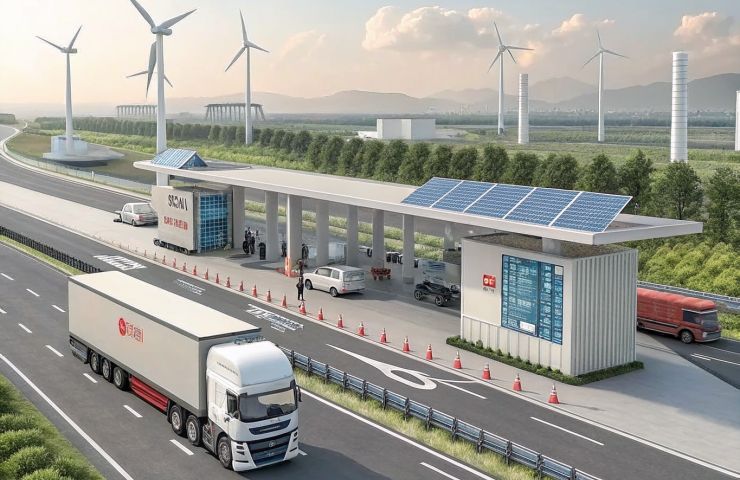
The idea of zero-carbon transport corridors is central to China's strategy for low-emission logistics. A typical corridor includes:
By establishing cleaner supply chains from the factory right to the port and beyond, these corridors are designed to cut tailpipe emissions significantly and facilitate a high volume of freight movement while keeping it eco-friendly.
Green Fuels and Multi-sector Integration
Alongside electrification and hydrogen, this plan lays down a framework for green fuels. These fuels can come in either liquid or gaseous form, produced from renewable electricity or bio-based materials, and they’re intended for sectors that haven’t yet gone electric or aren’t ready for fuel cells. The policy advocates for a unified fuel supply system that includes:
This kind of integration across energy, transport, and industry highlights China’s comprehensive approach to decarbonization.
Evolution from Subsidies to Systems Integration
This strategy traces its roots back to the 13th and 14th Five-Year Plans, which offered hefty incentives to boost the early adoption of new-energy vehicles. Initial pilots included battery swaps at logistics hubs and testing fuel cell buses in urban clusters. Over time, financial aid transitioned from broad subsidies to focused experimental projects and performance-based rewards tied to system-wide outcomes. The latest guidelines take it a step further by treating the decarbonization of transport as a challenge that spans multiple sectors, aiming for alignment between industrial policy, grid development, and digital platforms, rather than just pushing individual vehicle incentives.
Industrial and Global Implications
This policy set not only aims to cut emissions but also to strengthen China’s leadership in the clean transport industry. Key sectors that are likely to benefit include:
On a global scale, China’s choices regarding hydrogen production methods, equipment standards, and corridor designs will set the stage for investment and technology costs around the world. As many countries look to ramp up green hydrogen production, China’s integrated model might be one to watch.
Business and Investment Landscape
China’s blueprint for connecting transport and energy opens up new opportunities for investors, manufacturers, and service providers. Some key areas to keep an eye on include:
With the central government guiding the provinces on execution, companies that can provide integrated solutions are likely to grab a big slice of the market while contributing towards carbon neutrality.
Regulatory and Financing Mechanisms
Central and provincial authorities plan to utilize a mix of grants, carbon credits, and low-interest loans to support infrastructure development. The transport ministry has mentioned that decarbonization could tie into China's carbon-trading system, which would offer revenue for early adopters. Committees are also working on standardized technical specs for chargers, hydrogen dispensers, and digital protocols to promote interoperability.
Key Challenges Ahead
Despite the positive momentum, a few hurdles could slow down progress:
What to Watch Next
In the coming months, it’ll be interesting to see how China fine-tunes its goals for heavy-duty fuel cell pilots and expands the hydrogen refueling network. Just as important will be updates on pricing support for green hydrogen production and further requirements for charging station density. Keep an eye out for emerging standards regarding corridor operations and any moves to tie transport decarbonization into carbon trading.
As China fine-tunes its approach, global observers will be looking for models that can be replicated and opportunities for collaboration in hydrogen infrastructure and corridor planning.
Meanwhile, how effectively renewable energy backs electrification and hydrogen production will be vital, making resilience in the grid an important frontier in the journey towards decarbonizing transport.