Germany’s RFNBO Transport Quota Spurs New Wave in Hydrogen Infrastructure
Germany’s new RFNBO transport quota could accelerate green hydrogen imports and give momentum to Provaris Energy’s compressed shipping model.
Have you ever thought about how a policy change in Berlin could swing the price of green hydrogen production halfway around the globe? It’s a real head-scratcher for companies like Provaris Energy Ltd, especially after Germany’s federal council gave the green light to a new quota for renewable fuels in road transport earlier this month. By shifting from voluntary targets to binding regulations, Germany is nudging its industry toward certified low-carbon solutions—and the shipping methods to deliver them.
Policy Meets Portside
Germany gets that relying solely on domestic hydrogen production won’t cut it if it wants to hit its bold decarbonization goals. Back in 2024, forecasts predicted that a whopping 70 percent of its future hydrogen needs would have to come from imports. Adding a transport quota transforms those numbers into a real push for immediate procurement. Even a small initial requirement can create a market demand for tons of renewable hydrogen—including the storage tanks and compression systems that come with it.
A Compressed Pathway to Compliance
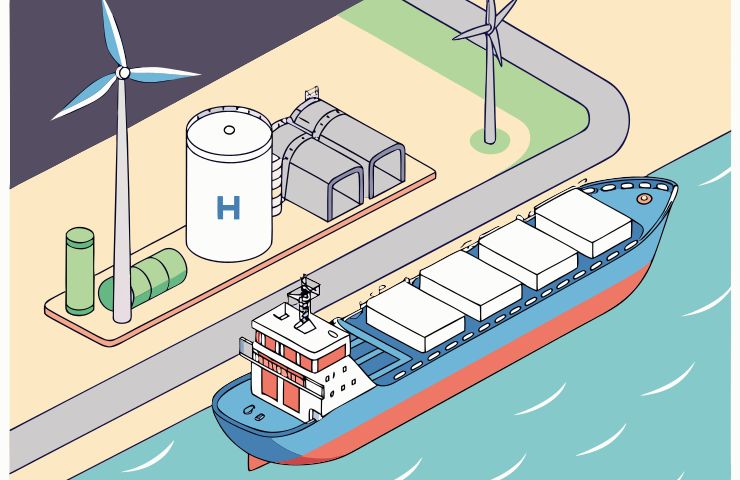
Provaris Energy isn’t the first player eyeing Germany’s hydrogen roadmap. But they’re positioning themselves with a model that avoids the typical detours of liquid ammonia or cryogenic carriers. Their H2Neo vessel design incorporates integrated high-pressure tanks on a standard MR-class ship, which stores hydrogen at around 250 bar for export. The pitch is clear: fewer conversion steps mean fewer costs and potentially quicker delivery of hydrogen to refueling stations or industrial hubs.
From Australia’s Tiwi Islands to Europe
One of Provaris’s key projects, the Tiwi H2 initiative, is making strides in the Northern Territory of Australia. Fueled by solar and other renewable energy sources, Tiwi H2 plans to compress green hydrogen for export markets, showcasing how onshore renewables can feed directly into marine transport. If German fuel suppliers really get behind the RFNBO mandate, we could see compressed-gas carriers making the trip from the Tiwi Islands to Germany’s ports in just a few years.
Certifications, Quotas, and Compliance
Of course, mandates are only as strong as their enforcement. Under the EU’s RED III framework, Germany’s RFNBO obligations will ramp up over time, beginning with a low baseline and increasing gradually, though the exact increments are still being ironed out. Fuel suppliers will need airtight documentation, durable hydrogen storage, and dependable certification chains to prove they’re in compliance. Missing quotas could lead to steep fines or procurement penalties that could shake up the market overnight.
Competition on Deck
But let’s not kid ourselves—compressed shipping is not the only route in town. It faces off against ammonia carriers, liquid hydrogen tankers, and even pipeline imports. Each option comes with its own costs and complexities. Ammonia offers a better energy density but needs those extra steps of synthesis and cracking. Pipelines require hefty upfront investments and cross-border agreements. Provaris is banking on simplicity: a ship that shows up ready to unload hydrogen with minimal reconversion.
Looking Beyond the Law
While regulations can spark the fire, the long-term success hinges on project financing and solid offtake agreements. Hydrogen exporters need reliable contracts to secure the cash needed for ships, terminals, and compressors. Germany’s import strategy is a good sign of support, but clinching multi-year RFNBO deals will be crucial for turning design concepts into real operational routes.
The Economics of Compression
Every shipping route comes down to a fine-tooth cost analysis. Compressing hydrogen to 250 bar takes energy and gear, usually eating up a few percent of the hydrogen's energy content. But skipping ammonia synthesis and liquefaction can help offset those losses by cutting down on conversion expenses. Provaris’s internal studies hint that for shorter sea legs, compressed shipping could actually lower life-cycle costs and increase delivered hydrogen volumes compared to ammonia routes—though they’re waiting for independent audits to back that up.
Ripple Effects and Next Steps
If Germany’s transport sector fully embraces its RFNBO regulations, the ripple effects will reach deep into Europe’s hydrogen ecosystem. New storage modules at ports, pipeline connections, and a network of refueling stations will be crucial to manage gaseous imports. Companies that supply compressors, pressure vessels, and metering systems could see a boom in orders, while shipyards start adapting tankers for high-pressure cargo.
Beyond Germany’s Shore
This move from Berlin could also inspire neighboring EU countries as they implement RED III. Ports stretching from Rotterdam to Antwerp might adopt similar rules, creating a pan-European market for certified green hydrogen imports. This coordinated effort will require standardized compression interfaces, safety guidelines, and certification protocols—laying the groundwork for a continent-wide hydrogen corridor.
The big question is: Will companies like Provaris Energy turn this policy momentum into signed contracts and ship arrivals, or will it all stay stuck in the planning phase? The ongoing studies for the H2Neo and partnerships with tech firms suggest there’s progress, but until those vessels start offloading hydrogen at a German terminal, we'll have to stay tuned.
As Germany’s regulation shifts from paper to action, we’re on the brink of a new chapter in hydrogen infrastructure. Whether compressed hydrogen shipping rides this wave to success or just becomes an interesting side note, one thing is for sure: the introduction of binding RFNBO quotas has the potential to reshape how renewable hydrogen makes its journey from production to the pump.