Green Hydrogen News: CNE and GAMMA Ingenieros Partner on Hydrogen Infrastructure Study in Chile
Chile’s energy regulator and GAMMA Ingenieros launch a feasibility project to test green hydrogen blending in gas networks, aiming for cleaner fuel, new local jobs and stronger energy resilience.
The Comisión Nacional de Energía has joined forces with GAMMA Ingenieros this month to kick off an exciting feasibility project that dives into blending green hydrogen with Chile's natural gas distribution networks. The project aims to figure out how compatible the network is, assess the costs involved, and carve out a path for decarbonizing gas use—all in line with the national push for a clean hydrogen economy.
Solving Real-World Problems with Simple, Powerful Ideas
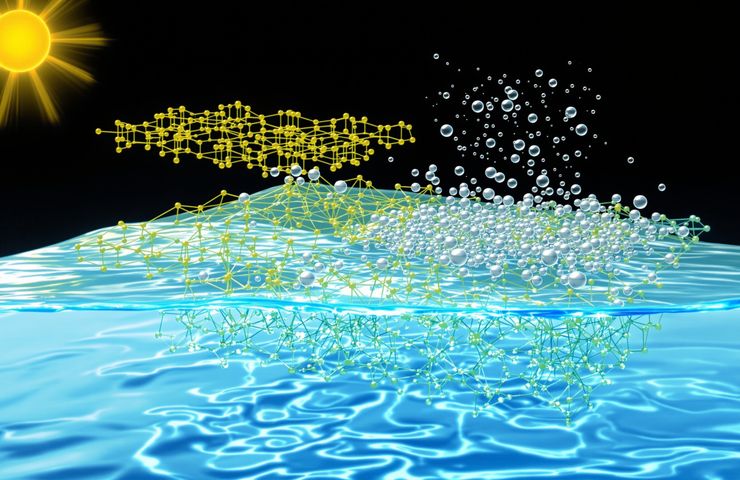
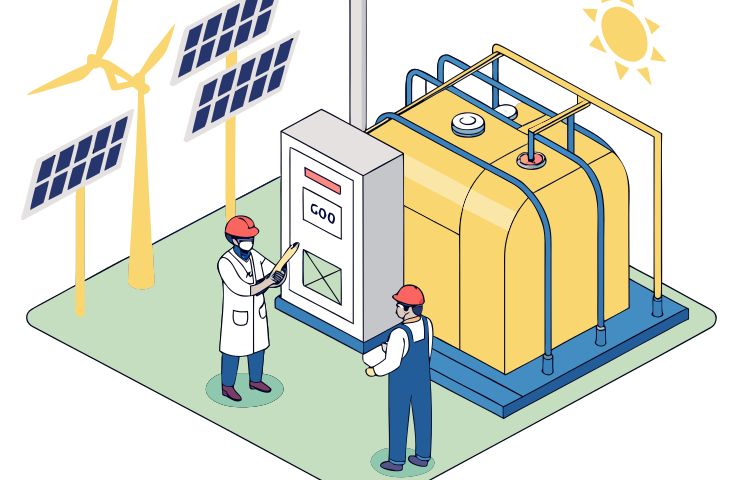
It’s a straightforward yet impactful idea: utilize renewable electricity to split water into hydrogen and oxygen through electrolysis, and then mix that hydrogen into existing gas pipelines in controlled amounts. By tapping into well-established hydrogen production methods—like alkaline and proton exchange membrane (PEM) electrolyzers—the project aims to see if we can get away with injecting up to 10% hydrogen by volume without needing to replace the existing network assets. This approach makes the most of Chile’s abundant solar and wind energy, cutting down on fossil fuel dependence while using the infrastructure we already have.
GAMMA’s engineering study looked into eight full concession zones and two sectors from major distributors like Lipigas, GasValpo, Metrogas, Intergas, and Gas Sur. For each area, they crunched the numbers on electricity supply options—from renewable sources connected to the grid to on-site solar PV systems paired with battery energy storage (BESS). They also figured out the total costs for electricity and hydrogen, explored layouts for compressors and mixing stations, and checked materials and components for compatibility under guidelines like ASME B31.8 and B31.12.
Key Technological Components
The blending infrastructure includes:
- Electrolyzers: These wonder devices perform water electrolysis using renewable energy. When combined with solar PV and BESS, they can adaptively ramp up production based on fluctuating solar input.
- Compression & Storage: Hydrogen gets compressed and stored in high-pressure tanks or even underground caverns, and then conditioned before it’s mixed in.
- Mixing Stations: Equipped with flow meters, pressure regulators, and monitoring sensors, these units smoothly blend hydrogen with natural gas while keeping an eye on the Wobbe index and calorific value.
- Control Systems: These software and safety systems are vital for detecting leaks, regulating injection rates, and ensuring compliance with gas quality benchmarks like NCh 2264.
Each component was assessed for costs, operational efficiency, and how complex they are to integrate, giving a pretty clear picture of what kind of investment will be necessary and when.
Made in Chile, Made for Chile’s Future
This initiative is all about Chile—crafted for its future. By leveraging local engineering talent and manufacturing, the partners are looking to fast-track supply chains, create skilled jobs, and build a resilient ecosystem for clean energy technologies. Things like electrolyzer stack assembly, compressor fabrication, and sensor calibration can all be handled by Chilean companies, helping foster a robust clean-tech scene.
On top of that, the project is working with technical universities and vocational schools to design training programs aimed at creating the next wave of hydrogen technicians. These courses will cover everything from safety standards to network diagnostics, so local communities can reap the benefits of new job opportunities as pilot projects roll out.
Positive Environmental and Economic Ripple Effects
Mixing green hydrogen into gas networks has some real environmental perks. When made using renewable resources, hydrogen has nearly zero lifecycle emissions. According to project estimates, blending just 10% hydrogen in a typical mid-sized concession area could offset thousands of cubic meters of natural gas, knocking down CO2 emissions by several hundred tons each year. This aligns with clean hydrogen goals and helps reduce the carbon footprint of homes, businesses, and industries alike.
Economically speaking, introducing hydrogen adds diversity to the energy portfolio and can help stabilize or even lower fuel costs over time. Since hydrogen can be produced close to where it’s needed, networks can cut down on transport and distribution losses. Initial modeling suggests that with the right tariff structures in place, blending could be commercially viable for distributors while still providing value to end users.
Community and Industry Collaboration
The project isn't flying solo; it’s engaging local expertise by including municipalities, chambers of commerce, and industrial associations to tailor blending tests to real user demands. They’re discussing everything from residential heating trends to commercial kitchen needs and small-scale manufacturing processes, making sure the pilot programs address actual problems and yield useful data across different applications.
The financial side of things is also being carefully examined, looking into cost-sharing and funding strategies. The study is proposing different models, such as clean hydrogen offtake agreements and contributions from public incentive programs, all aimed at spreading out investment costs among hydrogen producers, gas distributors, and government aid schemes. By collaborating like this, they hope to lower the barriers to entry and attract private investment into the green hydrogen market.
Aligning with National Strategy and Regulation
This whole initiative is perfectly in sync with Chile’s Plan of Action for Green Hydrogen 2023–2030 and the larger National Green Hydrogen Strategy. It provides data-driven insights that regulators can use to rethink gas quality norms, safety regulations, and measurement standards. The study points out that the current NCh 2264 gas quality standard—which demands a minimum calorific value of 8.850 kcal/m³—might restrict hydrogen blends to about 6%–8% in certain regions, information that’s pretty crucial for rulemaking.
Additionally, the analysis recommends following ASME B31.12 guidelines for hydrogen blending over 10% to handle risks tied to material permeability and embrittlement. With these rules in place, networks and appliance manufacturers can certify devices for blended gas use, ensuring user safety and reliable operation.
Informing Future Mobility Solutions
While the current focus is on blending within stationary gas networks, the lessons learned from this project are likely to influence the design of future hydrogen refueling stations for heavy-duty vehicles and public transport systems. The findings on storage, compression, and quality assurance will help us modify distribution infrastructure for diverse applications—merging pipeline blending with local refueling points, creating fresh avenues for cutting down transport emissions.
Engineers are also looking into the feasibility of updating existing compressor stations to serve as dual-purpose hubs, capable of meeting both residential demands and servicing terminals for hydrogen buses or trucks. This integrated vision builds on Chile’s expertise in the transport sector and opens more pathways for job growth in constructing, operating, and maintaining advanced refueling networks.
Next Steps: Pilots, Scale-Up and Innovation
Looking ahead, the project will roll out a series of pilot programs targeting hydrogen blends from 5% to 20% under controlled conditions. Each pilot will test out various generation-to-injection setups, collecting performance data on network leaks, metering accuracy, and compatibility with appliances. Strong stakeholder engagement—including discussions with gas distributors, end-user groups, and safety agencies—will be key to validating results.
Once the pilots show that they’re technically and economically feasible, regulators could greenlight gradual scaling across more concession zones. This step-by-step rollout will ensure that valuable lessons learned can inform future deployments, making the transition to a low-carbon gas supply more efficient.
A Transitional Pathway to Decarbonization
This partnership serves as a shining example of hydrogen energy news, showcasing how existing infrastructure can play a crucial role in our energy transition. Instead of sitting around waiting for dedicated hydrogen pipelines to be built, blending offers a flexible, affordable way to deliver clean fuels to homes, businesses, and transport services. By tackling real-world challenges today, this Chilean project lays out a clear roadmap for decarbonizing gas consumption and building a competitive green hydrogen industry. It’s a promising step forward toward cleaner air, new job opportunities, and energy resilience—proof that with local expertise and renewable resources, innovation can indeed transform our energy future.