Green Hydrogen Powers National Highways Construction Compound in Bootle
National Highways and Galliford Try have powered a Bootle construction compound entirely with a green hydrogen fuel cell generator, replacing diesel and cutting site emissions.
```html
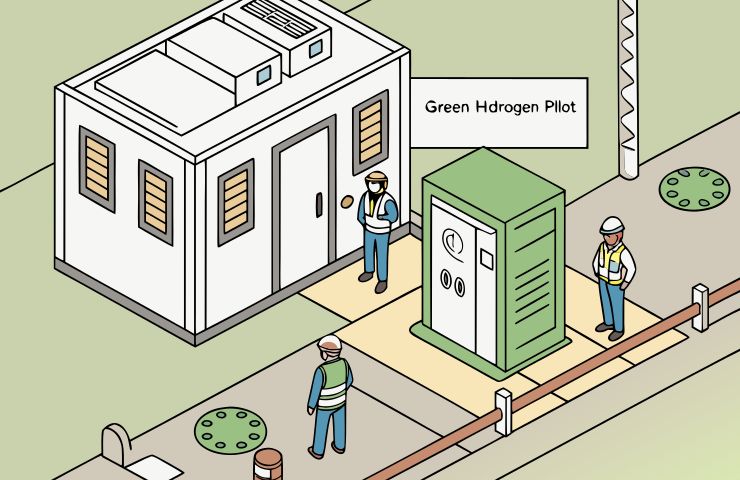
Picture this: a buzzing construction site with no diesel in sight. No choking black smoke, no loud engines—just clean, green energy powering everything from site offices to EV chargers. This is exactly what's happening under the UK’s Net Zero Highways plan at a road improvement hub in Bootle, Merseyside. They've traded in their diesel generator for a snazzy green hydrogen fuel cell generator, completely shifting gears in how they power their operations.
This exciting trial kicked off this month as part of a broader scheme to improve road safety, led by National Highways in partnership with lead contractor Galliford Try. Instead of relying on a traditional diesel setup, the site now sources all its electricity from a hydrogen fuel cell, which runs on something called green hydrogen—that is, hydrogen created through renewable-powered electrolysis. Operators are pretty thrilled because it’s the first time a project like this has gone fully hydrogen-powered, marking a big step towards cleaner construction practices.
Technical Overview
So how does this work? In a typical setup, they deliver green hydrogen to the site in high-pressure cylinders. From there, it's fed into a fuel cell stack where it's split into protons and electrons. The electrons head off on a little journey through an external circuit to create electricity, while the protons team up with oxygen and electrons at the other end to make water vapour. Power electronics then convert this energy to the right voltage and frequency—making it an easy swap with a diesel generator. Site engineers can hook it up to existing distribution boards just the way they would with the old diesel generator, which means they can transition smoothly with hardly any extra training needed.
Site Integration
Now, in the Bootle compound, this hydrogen setup is powering site offices, welfare facilities, and those all-important electric vehicle chargers, pretty much mimicking what you'd expect from a traditional construction site. Unlike a diesel generator that hums away 24/7, this fuel cell emits zero CO₂, NOₓ, or nasty particulate matter. It runs a lot quieter too! While they haven't shared specific figures about fuel consumption or runtime yet, the folks running the project have integrated hydrogen refueling into their existing supply chains without a hitch, and everything flows smoothly with the daily construction work.
Operational Learnings
Using a fuel cell generator in a construction environment has taught the team a thing or two—both about its perks and some areas that need a bit more tweaking. They’ve adjusted refueling routines to manage those high-pressure cylinders better and synced delivery times with equipment maintenance. Early feedback suggests that the generator's ability to adjust to changing power demands is a real plus— it's easily powering lights, office gear, and EV chargers without the lag sometimes encountered with battery systems. Plus, maintenance crews have noticed that the fuel cell requires fewer routine checks compared to diesel engines. However, they do have to keep an eye on hydrogen leak detection and cell stack monitoring, which adds new aspects to their responsibilities.
Environmental Benefits
By ditching diesel in favor of green hydrogen, they're cutting down on carbon dioxide, nitrogen oxides, and air pollution right at the construction site. It’s a win-win for both nearby residents and workers who benefit from cleaner air and less noise overall—fuel cells are quieter than diesel generators, after all. While detailed emissions data from this Bootle trial is still waiting to be unveiled, other demonstrations have shown that swapping diesel with fuel cells running on renewable hydrogen can drastically decrease overall carbon emissions. This not only helps with corporate sustainability goals but also promotes better health for the surrounding community.
Regional Context
Now let’s talk about Bootle. It’s situated in Merseyside, a bustling metro area with around 1.5 million folks, thanks to the proximity of Liverpool’s port and logistics network. Good trunk roads and highways are key to keeping local businesses running and helping people get to and fro. The North West of England is fast becoming a hydrogen hub, with projects like the HyNet cluster designed to supply low-carbon hydrogen to industries, transport, and energy. As local electrolysis plants get up and running, trials like this one show real-world applications and help build a case for expanding the hydrogen infrastructure.
Strategic Implications
With this trial showcasing that you can power an entire construction site with hydrogen, National Highways is setting a template that future roadworks could follow. Contractors who can offer zero-emission site power are likely to come out ahead as both public and private clients tighten up emission standards. Plus, by demonstrating that it can fit seamlessly into existing site operations, they’re lowering the barriers for bigger adoption. This could really shake up the temporary power market and push fuel cell manufacturers to create more robust, construction-ready products.
For Galliford Try, this initiative solidifies its reputation as a trailblazer in low-emission infrastructure. They’ve already added electric and hybrid equipment to their fleet and see hydrogen power as a handy solution where electrification may not be feasible. By collaborating with National Highways, Galliford Try is gathering essential data that could influence standard specifications and shift how the construction industry views temporary power. This engagement might even inspire similar trials in areas like rail and water infrastructure.
This project builds on earlier hydrogen initiatives in the energy sector, like a four-week deployment of a fuel cell generator by Hitachi Energy at a high-voltage substation, along with ongoing experiments involving hydrogen-powered excavators on the Lower Thames Crossing. What makes the Bootle scheme unique is its focus on powering an entire compound, providing valuable insights from fuel delivery all the way to on-site consumption. Other infrastructure players, including those in the rail and energy sectors, are definitely going to keep a close eye on what they learn from this trial.
Regulatory and Market Context
The UK government sees hydrogen as a key player in cleaning up sectors that are tough to decarbonize. National Highways has set carbon targets within its Net Zero Highways plan, and trials like the one in Bootle could shape future requirements for emission standards on publicly funded projects. In the coming year, they're expected to consult on updated safety codes for using hydrogen at temporary sites. Meanwhile, the success of hydrogen-powered constructions depends on securing long-term agreements with electrolyser operators, managing price fluctuations, and aligning supply chains as the market develops.
Bootle’s hydrogen-powered construction site isn’t just a novelty—it’s a practical step towards embracing zero-emission building practices. It underscores how ready hydrogen fuel cell technology is for real-world applications in infrastructure projects and highlights the need for a cohesive approach between supply chains, regulations, and business models. As we keep tabs on the outcomes from Bootle, the industry will get a clearer picture of how to scale these revolutionary concepts across the national road network.
```