Green Hydrogen Production and Infrastructure Launch in Bolzano South for Emission-Free Transport
Hydrogen Adige Valley project in Bolzano South brings together local government, SASA and Alperia to produce green hydrogen via on-site electrolysis and solar PV canopy to fuel fuel cell buses, aiming at zero-emission public transport in South Tyrol.
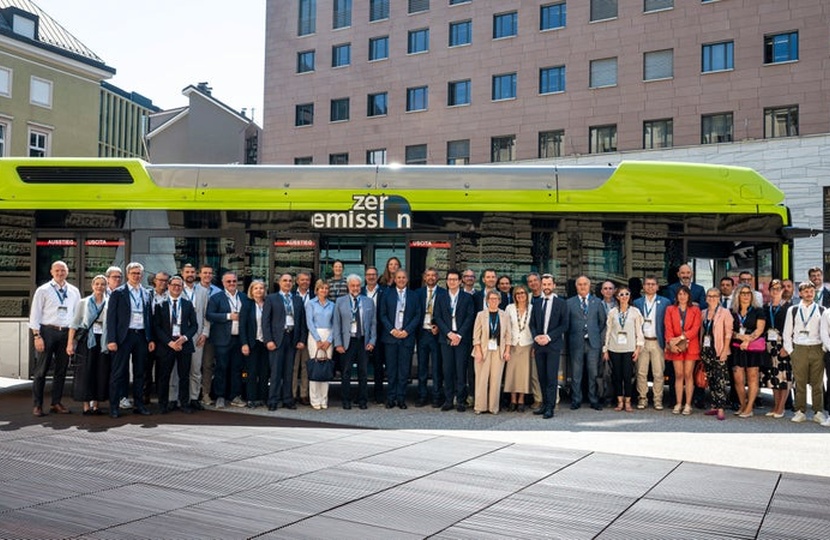
Picture this: nestled in the scenic foothills of the Alps, Bolzano is making a brave leap towards greener public transport. The initiative called Hydrogen Adige Valley cleverly combines green hydrogen production with solar energy to power the region's buses and reduce local emissions. It’s set up as a pilot program that showcases how alpine urban centers can achieve zero-emission mobility by bringing together local governments, energy experts, and transit operators.
At the heart of this collaboration you’ll find three key players: the government of Autonome Provinz Bozen – Südtirol, regional bus operator SASA AG, and renewable energy provider Alperia AG. Just recently, local officials officially opened the new facility in Bolzano South, where an electrolysis plant meets a photovoltaic canopy that hovers over a bus depot. With around €35 million in support from EU funds, this initiative sends a clear message about Brussels’ commitment to using hydrogen for transport. Led by provincial governor Arno Kompatscher and mobility councillor Daniel Alfreider, the aim is to swap out those old diesel buses for shiny new fuel cell vehicles powered by locally produced green hydrogen.
What’s really cool about this setup is the photovoltaic installation. It features a 1.5-megawatt solar array positioned right above the bus parking lot. By lifting those panels up instead of taking up extra land, the project is estimated to provide roughly 1.89 gigawatt-hours of solar electricity each year to power the electrolysers. This combination of green hydrogen production and the solar canopy is not just efficient—it could become a blueprint for other cities that are short on space.
Electrolysis Meets Solar
Now, let’s break down what’s happening beneath the surface. The operation centers around an electrolysis unit that uses renewable electricity to split water into hydrogen and oxygen. Operating at about 2 megawatts, this unit is designed to produce at least 360 kilograms of hydrogen daily! Once that hydrogen is compressed and stored in high-pressure tanks, it gets dispatched via onsite refueling stations to Bolzano’s regional bus network, where fuel cell buses have been clocking up the miles in test runs.
Fuel Cell Buses Take the Stage
SASA AG is already ramping up its fleet of hydrogen fuel cell buses around Bolzano and Meran. Instead of relying on imported hydrogen, they’ll be harnessing the local supply from the new facility, making both logistics shorter and emissions lower. These buses carry compressed hydrogen onboard and generate electricity through a fuel cell stack—meaning the only thing they emit is water vapor. Besides reducing carbon dioxide emissions, these vehicles also tackle nitrogen oxide and particulate pollution, leading to cleaner air and quieter streets.
In recent years, the provincial government has been pushing a broader strategy to decarbonize transport. They've invested in electric and hydrogen mobility, roadside charging infrastructure, and digital tools to streamline operations. The Hydrogen Adige Valley project is a natural evolution from earlier pilot programs that tested out fuel cell buses and hydrogen refueling stations, scaling up from just a few vehicles to a complete green hydrogen production supply chain.
Alperia AG has led the charge on designing and building the electrolysis and solar facilities, leveraging their extensive experience in hydroelectric power and green gas projects. By integrating the electrolysers into an existing energy network, they can manage load profiles effectively and take full advantage of peak solar production during the day. Plus, local contractors were called in for the installation and commissioning phases, which is great for creating jobs and bolstering the regional industrial base for the next generation of energy infrastructure.
Looking at the bigger picture, this facility fits nicely within the EU’s strategy for green hydrogen, especially the goal of greening the heavy-duty transport sector. Projects like Hydrogen Adige Valley get priority under EU funding programs aimed at industrial decarbonization and sustainable energy solutions. For urban and alpine regions alike, combining hydrogen production with photovoltaics paves the way for integrating intermittent renewable sources into transport. It could even serve as a model for other mountain communities that rely on bus transit.
As we look to the future, stakeholders will keep a close eye on operational metrics like electrolyser uptime, hydrogen purity, and bus refuelling performance to figure out if this initiative can stand on its own economically. If it meets expectations, we might see similar setups rolling out for freight vehicles or expanding into nearby towns. This experience could play a vital role in shaping future infrastructure planning and policies around clean hydrogen and fuel cell technologies. It could really help make the case for zero-emission transportation and speed up the move away from fossil fuels.
The Hydrogen Adige Valley stands as South Tyrol's first green hydrogen project of its kind, marking a significant milestone in the journey towards climate-friendly mobility and energy independence. By merging production, storage, and refueling in one location, it's a clear demonstration of how local resources can be utilized to meet EU climate goals and enhance urban livability. In the months to come, local authorities, operators, and citizens will be waiting to see if this combination of sunlight and water can sustain a truly emissions-free bus network—and whether it can inspire broader adoption of fuel cell technology throughout Europe.