Green hydrogen production and maritime decarbonization converge at Namibia’s Walvis Bay hub
An off-grid solar-powered green hydrogen hub in Walvis Bay is fueling trucks and cranes today and aims to produce green ammonia tomorrow, illustrating Africa’s emerging hydrogen infrastructure.
Have you heard about how Namibia is using its blazing desert sun to create green hydrogen? Right by the Atlantic coast, in a place called Walvis Bay, a cutting-edge hub is taking shape, painting a picture of what clean energy might look like across Africa. With tons of sunshine, limited water, and a deep-water port, this coastal gem in the Erongo Region is stepping up as a playground for zero-emission technology.
From Desert Sun to Hydrogen
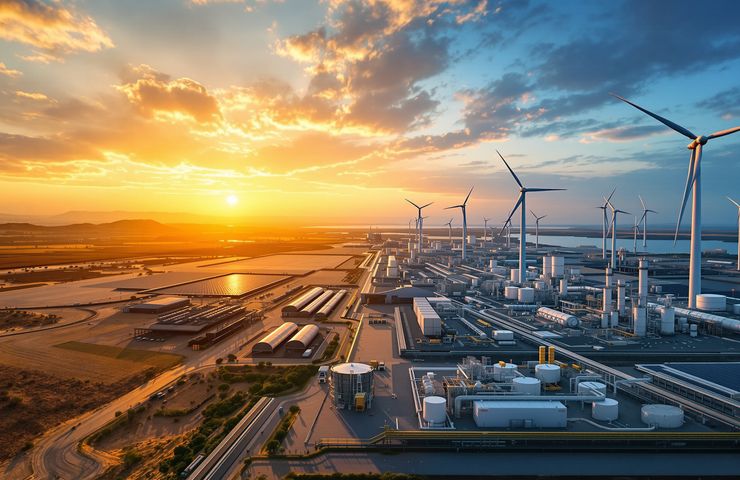
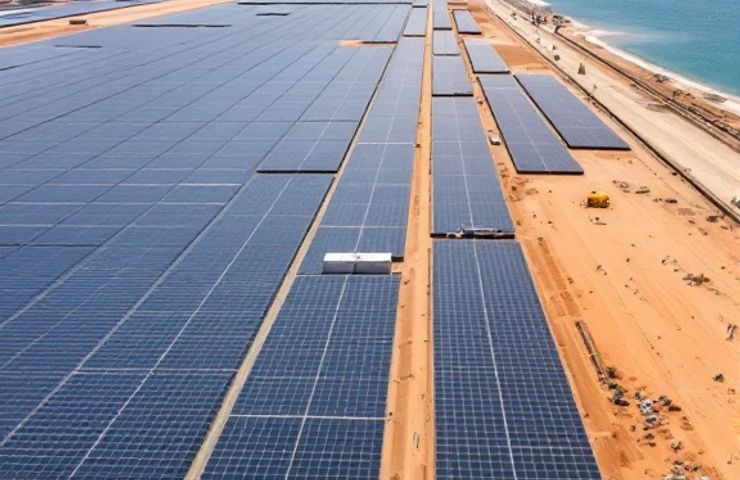
The facility here isn’t just impressive; it’s downright innovative. It makes use of a solar setup that’s about 5 megawatts strong, coupled with slick battery storage, so it can work completely off-grid. When the sun shines, those solar panels—spreading out like giant mirrors over the crimson earth—turn sunlight into electricity. The batteries then keep things steady, managing any ups and downs in power. The magic happens next door with an electrolyzer—imagine it as a fancy pitcher that uses that electricity to break water into oxygen and hydrogen. And speaking of water, it’s carefully sourced because it’s quite a treasure in this dry coastal desert. What comes out of this process? Pure, green hydrogen—ready to be compressed, stored, and used as clean fuel. All of this operates off-grid, showing that even the most remote spots can successfully produce hydrogen if you have a mix of renewable energy and clever engineering.
A Local Joint Venture with Global Muscle
At the heart of this project is Cleanergy Solutions Namibia, a team-up that combines European expertise in decarbonization with Namibian industrial strength. The Belgian side, CMB.TECH, has a vision that revolves around maritime decarbonization, aiming to develop hydrogen engines for about 250 vessels and betting on ammonia as the fuel for future ships. Meanwhile, local partner Ohlthaver & List Group ensures the initiative aligns with Namibia’s national goals, making great use of local supply chains and the workforce. They’ve got a solid financial setup from both parties, along with risk-sharing agreements to keep the initial hydrogen output local. And when it comes to technical expertise, Siemens is on board, not just supplying gear but also digital tools that allow engineers to run simulations, test safety setups, and tweak control strategies before any hardware is installed.
Why Start with Trucks Before Ships?
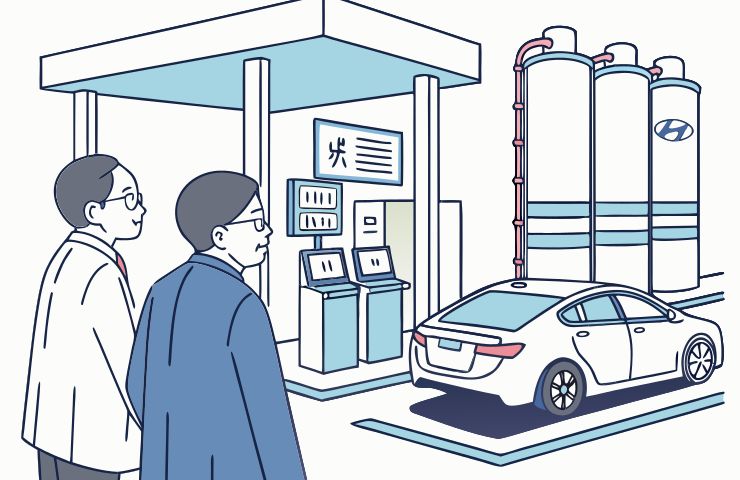
In the hydrogen scene, uncertainty about demand can be tricky business. We’ve seen huge projects aim high with production goals only to stumble over slow market adoption. Walvis Bay is dodging that pitfall by starting with local refueling for fuel cell trucks, container handlers, and even a hydrogen-powered locomotive—all of which run on green hydrogen straight from the electrolyzer. This strategy is spot on, echoing advice from industry veterans to secure offtake agreements before scaling up. Leaders from Siemens in Sub-Saharan Africa have stressed that having electrolyzers and renewable energy isn't enough if cargo ships and end users aren’t lined up. At Walvis Bay, by being its own customer, CMB.TECH is building confidence and training operators on the ins and outs of hydrogen infrastructure—one tank fill at a time.
Looming Ammonia Ambitions
When it comes to hydrogen, it's fantastic for short-haul uses. But for oceans that stretch for thousands of miles, green ammonia often takes the spotlight. It’s created by combining green hydrogen with nitrogen and is more energy-dense, handling transport just like any industrial commodity. The plan for Walvis Bay includes an ammonia synthesis unit that could kick off once hydrogen flow is steady, and safety systems are tested. Future vessels could set sail with ammonia-capable engines, loading up at Namibia’s port with zero carbon emissions at the stack. The aim? Transform this sun-soaked desert and quiet coastal town into a key refuelling stop along clean shipping routes—an exciting export story powered by low-carbon chemistry instead of fossil fuels.
Building Industrial Ecosystems
This facility isn’t just about energy; it's the cornerstone of a growing low-carbon economy. There’s even a hydrogen academy on site offering hands-on training for engineers, technicians, and recent graduates, teaching them how to handle compressors, safety systems, and sensors. The project is collaborating with local universities and training institutes to spin out start-ups focused on component production and installation. The city sees this venture not only as a fuel supplier but as a model for green industrial parks, where electrolyzers, refuelling stations, and ammonia storage coexist alongside workshops and logistics companies. In theory, this kind of setup could spread knowledge and create jobs long after the initial construction wraps up, aligning perfectly with national goals to foster value beyond mere mineral exports.
Lessons for Hydrogen Infrastructure
Walvis Bay is joining a growing network of off-grid hydrogen sites testing out solar-plus-storage models. Intermittency remains a big challenge: electrolyzers crave stable power, and oversizing batteries can hike costs. Thankfully, digital twins and automation from Siemens show how virtual testing can smooth over startup issues, improve control strategies, and anticipate maintenance needs. This kind of rehearsal can shave months off the commissioning process. Meanwhile, lessons learned echo global findings: solid offtake agreements, realistic timelines for scaling up, and syncing power and hydrogen systems are crucial. If you’re planning a hydrogen project in a remote location, mountain pass, or island, you’ll find insights from Walvis Bay relevant to your every next step.
Decarbonizing Hard-to-Abate Sectors
Did you know that global shipping moves over 80 percent of the world’s trade and emits about a gigaton of CO₂ each year? Those vessels cover vast distances, and chances for refueling at sea are pretty sparse. Battery ranges just can’t cut it for large tankers. That's where hydrogen-based carriers, like green ammonia or synthetic methanol, come in, offering zero-carbon combustion—but they need a well-coordinated chain of production, export infrastructure, and bunkering rules. The International Maritime Organization has laid out emissions targets that generally phase out new ships running on traditional marine fuels in the coming years. Ports that can provide clean ammonia may earn a slice of future shipping flows. With its deep-water capacity and renewable resources, Walvis Bay could become a hub for an African green corridor—where ships commit to zero-emission fuel at participating ports.
What’s Next?
Right now, hydrogen trucks are hitting the road and teams are fine-tuning their refueling routines. Looking ahead, the focus will shift to ammonia synthesis and initial bunkering trials. Project leaders are talking about scaling up production—some estimates even hinting at tens more megawatts of capacity—but the real challenge will be making sure markets, pricing, and regulations fall into place. Factors like carbon pricing, fuel guidelines, and international partnerships will play a role in shaping demand. European shipping companies, Chinese builders, and Asian ports are beginning to consider ammonia engines; Namibia will need to connect with those value chains to succeed. For the backers, the big question remains whether this pilot can evolve into a viable export business. But for now, Walvis Bay stands as a shining example that off-grid green hydrogen can not only power equipment but also uplift communities, providing a blueprint for sun-drenched, wind-swept areas keen to carve out their own clean-energy futures.