Green hydrogen production: Bavaria forges Moroccan partnership to boost hydrogen infrastructure
Bavaria is forging a hydrogen import corridor with Morocco, leveraging PAREMA, a 100 MW MASEN electrolyser and an OCP-backed ammonia unit to secure competitive green hydrogen for its industry.
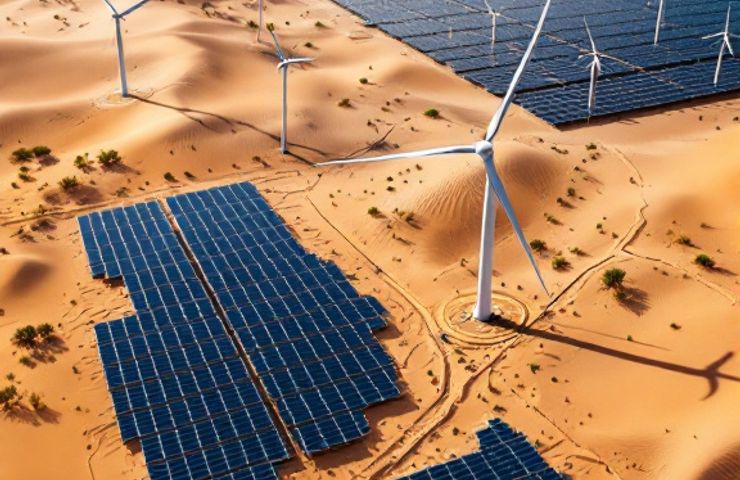
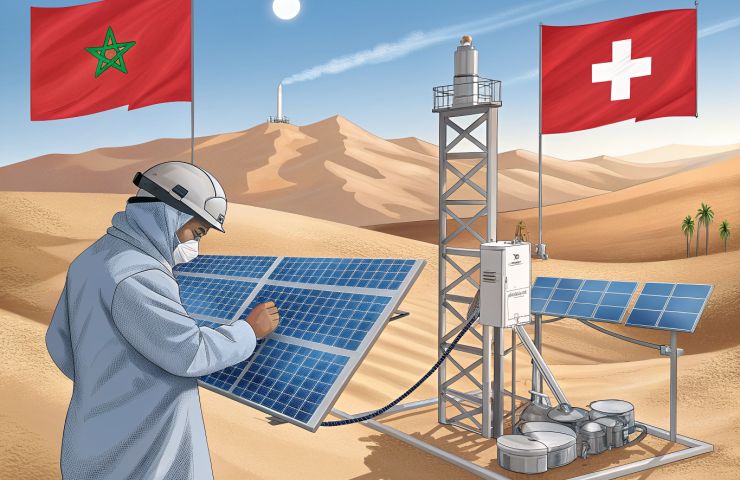
As Bavaria pushes forward in its mission to decarbonize heavy industry and transportation, it's looking to Morocco as a key player in its growing green hydrogen production strategy. Given the challenges of limited domestic renewable resources, the Bavarian Ministry of Economic Affairs sent a delegation to North Africa this year. The goal? To establish reliable imports that can support the state’s hydrogen infrastructure and meet its rising demands. This initiative is part of a bigger picture, with Germany planning to secure a majority of its hydrogen needs through imports, making Morocco a significant partner in the latest hydrogen news.
Bavaria’s Import Pivot
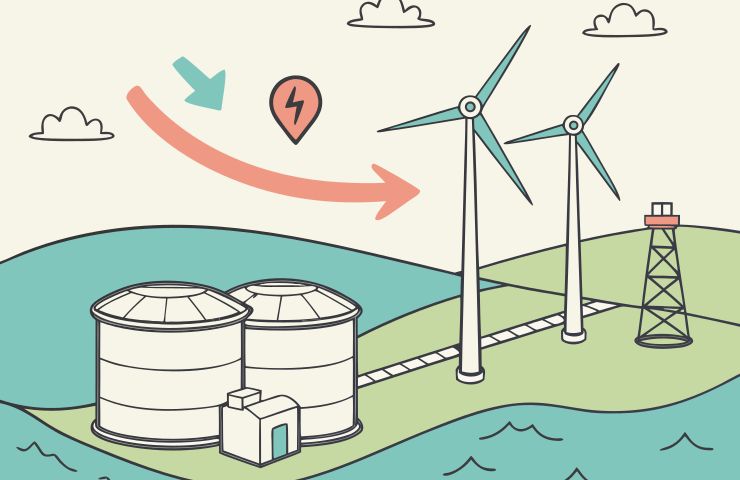
As Bavaria aims to build its own green hydrogen economy for heavy industries and transport, it recognizes that local renewable resources might not cut it in the long run. Officials emphasize that although on-site electrolysis and regional wind farms will play a role, a significant portion of the expected demand—especially from sectors like steel, chemicals, and transport—will need to come from imports. The outreach to North Africa is about diversifying supply routes, locking in better prices, and boosting energy security while stepping away from traditional fossil fuels and pipeline dependencies.
Morocco’s Renewable Edge
Morocco has a solid track record spanning a decade in deploying large-scale solar and wind energy, featuring flagship projects like the Noor solar complex and numerous coastal wind farms. Its close proximity to Europe, existing port facilities, and upcoming grid interconnections position it as a strategic export hub. Thanks to the Moroccan-German Energy Partnership (PAREMA), which was set up in 2012, discussions have gradually transitioned from just renewable energy to also include sector coupling. As both countries formalized the Climate and Energy Alliance in 2024, green hydrogen and its derivatives—such as ammonia and e-fuels—have emerged as foundational aspects of future trade.
Forging Hydrogen Infrastructure
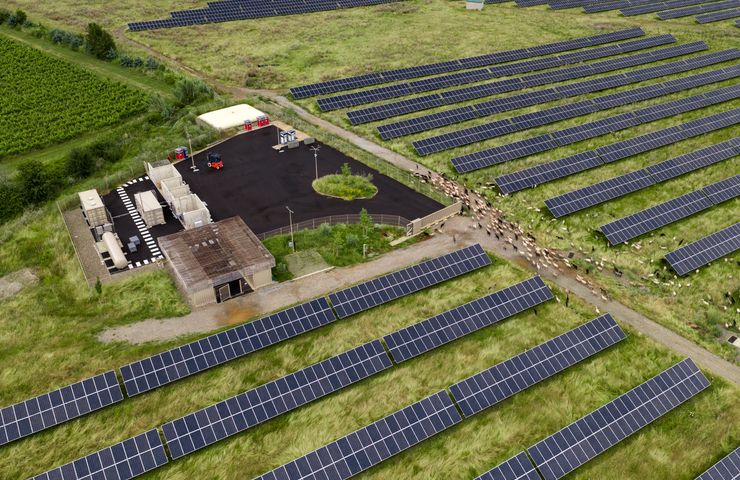
At the heart of these joint projects is a reference Power-to-X plant, featuring around 100 MW of electrolysis capacity, which MASEN is set to implement with support from KfW Development Bank. Located alongside solar and wind installations, this facility is designed to generate green hydrogen for local industries and will serve as a testbed for large-scale integration. Meanwhile, the OCP Group, a major player in phosphate fertilizer production, has secured backing from Germany’s PtX Development Fund to establish a green hydrogen-to-ammonia facility in Jorf Lasfar. Together, these endeavors lay down critical production and conversion capabilities in vital coastal areas, enhancing the overall hydrogen infrastructure.
Financing and Strategic Risks
Funding for these initiatives relies on concessional loans and grants from KfW, along with specialized PtX funds, showcasing how targeted financial strategies can mitigate risks for innovative infrastructure projects. However, scaling these efforts will require careful management of water resources in what's often an arid climate and addressing land-use impacts and community concerns surrounding large renewable parks. The governance frameworks established under PAREMA and the Climate and Energy Alliance are focused on ensuring environmental protection and fair sharing of benefits. Additionally, Germany’s strategy to diversify its import partners aims to hedge against geopolitical uncertainties.
Outlook and Next Steps
The commissioning of the MASEN reference electrolyser will be a pivotal moment, providing insights on efficiency, grid compatibility, and cost forecasts. Likewise, advancements in securing offtake agreements, upgrading ports for ammonia transport, and planning pipelines will show how quickly hydrogen can flow from the sun-soaked deserts of Morocco to industries in Bavaria. If these pilot projects can demonstrate competitive pricing and reliability, they could pave the way for larger contracts and further investments in North Africa. For both Bavaria and Germany, establishing an early advantage in hydrogen imports could be crucial for hitting strict EU climate goals and maintaining industrial competitiveness.
In the grand scheme of things, securing a reliable supply of green hydrogen from Morocco is more than just a strategic move; it's about weaving together technology, finance, and policy to address the urgent need for sustainable energy. As Europe accelerates its decarbonization efforts, the success of this Euro-African hydrogen corridor will depend on strong partnerships and diligent project execution.