Green Hydrogen Production Breakthrough: 31.3% Solar-to-H₂ Efficiency Achieved by Fraunhofer ISE
Fraunhofer ISE’s outdoor photovoltaic water electrolysis system hits 31.3% solar-to-hydrogen efficiency, setting a new green hydrogen production benchmark.
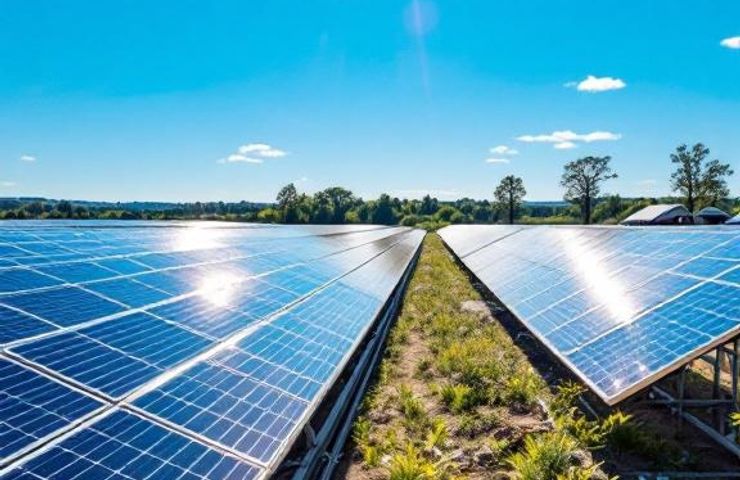
In Freiburg im Breisgau, the Fraunhofer Institute for Solar Energy Systems ISE has hit a major milestone in hydrogen production. They've just revealed a photovoltaic water electrolysis system that boasts a jaw-dropping 31.3% solar-to-hydrogen conversion efficiency, and that's measured under actual outdoor conditions. This is a big deal in the world of green hydrogen production and is definitely a hot topic in clean hydrogen news.
Record Efficiency Under Real-World Conditions
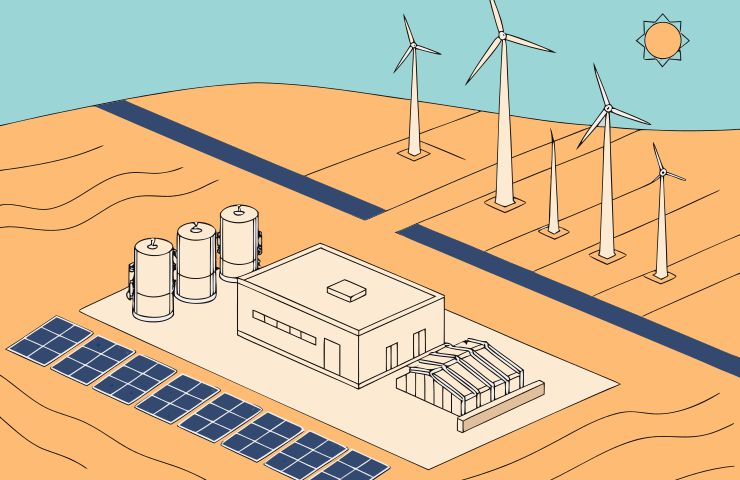
So, here’s how they pulled it off: the project team set up a nifty HyCon micro-concentrator photovoltaic (CPV) array that’s mounted on a dual-axis solar tracker. This setup focuses sunlight through Fresnel lenses onto tiny four-junction III-V cells. What's really impressive is that it’s directly linked to two proton exchange membrane (PEM) electrolyzer cells in series, converting sunlight into hydrogen without the need for extra power electronics. Over several days of testing during the summer, it maintained an average conversion rate of 31.3%. That’s significantly better than previous outdoors trials, which usually stuck around the 20–30% range.
The Key Components at Play
- Four-Junction Concentrator Photovoltaic Receiver: These stacked III-V cells are each tuned to different parts of the solar spectrum, which allows them to deliver high voltage and current density under concentrated sunlight.
- HyCon Micro-Optics: The integrated Fresnel lens arrays focus sunlight hundreds of times onto tiny cells, enhancing photon capture while minimizing the use of III-V material.
- PEM Water Electrolysis: This compact, high-pressure electrolysis stack efficiently separates protons and electrons via a polymer membrane, offering a quick response to changes in solar input.
- System Co-Design: By matching the CPV sub-module's voltage-current curve to the electrolyzer's optimal operating point, they managed to cut down on resistive and overpotential losses.
Why This 31.3% Efficiency is a Game Changer
Every little bump in solar-to-hydrogen efficiency helps reduce the area of solar collectors and the related hardware needed to produce a specific amount of hydrogen. This directly impacts costs and how much land you’d need. By surpassing that 30% mark during outdoor trials, Fraunhofer ISE has shown that advanced PV-electrolysis systems can perform reliably beyond controlled lab settings. This is crucial for making hydrogen production more competitive, especially in regions with lots of sunlight.
Impact on Various Sectors
Green hydrogen is essential for cutting carbon emissions in heavy industries and transportation. Think about it—steel production, ammonia manufacturing, and long-haul trucking all need energy-dense fuels that pure electricity can’t quite handle. A boost in solar-to-hydrogen efficiency could shrink the footprint and costs of on-site hydrogen production, making it more appealing for hydrogen refueling stations, especially in remote areas or places where the grid isn’t robust.
Breaking Down Economic Factors
Now, when we talk about costs, the main players in this scheme are the III-V semiconductor production, precision optics, and PEM stack components. Sure, concentrator PV modules may come with a higher price tag than regular silicon ones, but the efficiency boost could make up for the costs in areas where land is pricey or the grid is under pressure. The team at Fraunhofer ISE is looking at how higher capacity factors and streamlined equipment could close the gap in levelized costs for hydrogen production.
Regulatory and Market Influences
In the European Union and Germany, energy strategies are all about ramping up electrolyzer capacity to gigawatt levels by 2030. They're pushing for both performance and cost efficiency. Breakthroughs in efficiency can help shape incentive programs—like contracts-for-difference or feed-in tariffs—that reward actual hydrogen outputs under real-world conditions instead of just installed capacities.
Trends in PV-Electrolysis
Photoelectrochemical (PEC) water splitting is still a hot area of research, but PEC devices sometimes have a tough time when it comes to durability and scalability. Fraunhofer ISE’s practical approach is all about using tried-and-true III-V cells along with PEM stacks, combining them through advanced optics and controls to hit solid efficiency rates without losing reliability.
Efficiency Insights and Control Strategies
Taking a deep dive into the system shows that things like optical misalignment, thermal losses, and electrolyzer overpotentials can chip away at efficiency. By fine-tuning the lens arrays, adding active cooling, and employing real-time control algorithms to keep the CPV output in sync with the electrolyzer’s needs, the team has managed to minimize performance hiccups and ensure stable results.
Lifespan and Sustainability Factors
Even though hitting that efficiency milestone is great news, we can't overlook the full lifecycle assessment. It’s important to consider the energy and material impacts of producing III-V semiconductors, catalysts, and polymer membranes. The hydrogen tech group at Fraunhofer ISE is looking into the entire supply chain and recycling processes to make sure the technology brings net greenhouse gas benefits across the board.
About the Research Institute
Fraunhofer ISE has been at the forefront of solar energy and hydrogen tech research for years. They've set multiple records for photovoltaic efficiency and tackled system-level economic studies. Their outdoor solar-hydrogen test facility in Freiburg, which benefits from some of the highest solar exposure in Germany, is home to integrated PV-electrolysis demonstrators that blend lab breakthroughs with real-world applications.
What’s Next on the Horizon?
Looking ahead, research and development will focus on scaling up those concentrator-electrolysis modules, experimenting with lower-concentration options to find a sweet spot for cost and performance, and honing PEM stack designs for larger applications. As manufacturers and investors digest the impressive 31.3% result, we can expect pilot projects testing out replicable arrays of HyCon modules and refining cost models based on long-term performance in real-world settings.
With these ongoing advancements, the goal of sub-$2/kg green hydrogen seems more achievable than ever, speeding up industrial decarbonization efforts and strengthening hydrogen infrastructure around the globe.