Green Hydrogen Production Soars as Kanadevia and BEC Join Forces in Oman
Kanadevia and BEC partner to deploy advanced water electrolysis technology in Oman, advancing green hydrogen production and supporting the country's Vision 2040 clean energy goals.
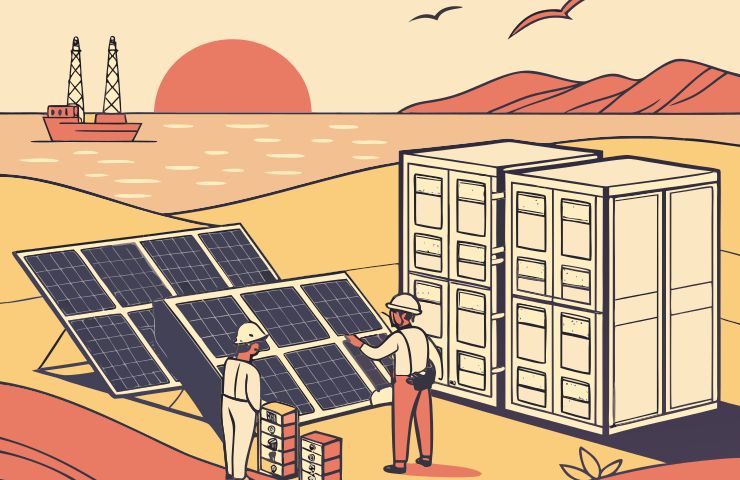
Ever thought about how the desert could actually lead the charge in green hydrogen production? Well, you might want to pay attention to the latest buzz in the hydrogen news because Kanadevia Corporation from Japan is shaking things up with Bahwan Engineering Company LLC (BEC) in Oman. Together, they’re bringing some seriously innovative tech to the Arabian Peninsula, aiming to mix groundbreaking water electrolysis stack technology with local expertise to create low-carbon fuel.
Here’s the thing: producing hydrogen at a commercial scale without leaving a giant carbon footprint has always been a tough nut to crack. Traditional methods often lean on natural gas, cranking out CO₂ along the way. Plus, storing and moving hydrogen typically involves a tangled web of pipes, tanks, and safety protocols that jacks up costs and slows everything down. It’s no wonder that a lot of clean energy dreams end up on the backburner, waiting for a truly viable solution to hit the market.
Solving the Puzzle of Low-Carbon Fuel
This partnership could be the game-changer we’ve been waiting for. At its heart is that water electrolysis stack technology, which works by splitting water into hydrogen and oxygen using electricity. If that electricity comes from renewable sources like solar or wind, you get real green hydrogen that’s free from carbon emissions. Kanadevia has been in the heavy industrial engineering business since 1881, bringing a wealth of experience in waste-to-energy and water treatment. On the flip side, BEC contributes invaluable local insight and experience in oil, gas, and infrastructure, ensuring they navigate regulations smoothly and meet local workforce and supply needs.
The Magic of Water Electrolysis Stacks
Picture a stack of pancake-like electrochemical cells. Each layer uses either a proton exchange membrane or an alkaline electrolyte that, when given a jolt of DC electricity, breaks water molecules apart to form H₂ and O₂. By stacking dozens or even hundreds of these cells together, you can crank up hydrogen output without sacrificing efficiency. The oxygen produced can be vented or used for other industrial tasks, while the hydrogen is ready to roll for fuel cells, refining, or even mixing with natural gas.
Practical Perks and Environmental Payoffs
This isn’t just pie-in-the-sky theory—it’s a solid plan for scalable clean energy. Here’s what’s in it for us:
By avoiding the headache of hundreds of kilometers of pipelines and high-pressure tanks, this project embraces a “plug-and-play” approach that can speed up hydrogen infrastructure rollout.
Oman’s Rich Backdrop
Oman’s history as a maritime trade hub stretches back centuries, with its strategic ports linking East and West. Now, with Oman Vision 2040, the Sultanate is rewriting its economic rules. They’re moving beyond oil dependency and investing in tourism, advanced manufacturing, and deepening their clean energy efforts. With a population just over 5 million and a government eager to welcome foreign investment, Oman is creating a unique mix of stable policy, vast land for renewable projects, and access to international shipping lanes.
From Blueprint to Reality
The partnership is revving up to move quickly from concepts to construction. The early phases will focus on front-end engineering design and feasibility studies for pilot plants set in coastal industrial areas. These spots are ideal since they offer easy access to desalinated water—essential for electrolysis—along with convenient port facilities for future hydrogen exports. Leaning on Kanadevia’s expertise in desalination allows for seamless integration of advanced water treatment processes, reducing freshwater needs while boosting efficiency.
BEC is stepping up to handle procurement, civil works, and technical installations with a workforce of over 5,700 people, including more than 400 skilled engineers. Together, these teams will tailor electrolyzers for Oman’s desert climate, linking them either to grid power or standalone renewable energy systems to ensure consistent energy supply.
Real-World Applications and Human Impact
Local industries could pivot to using green hydrogen for everything from power generation to process heating, slashing carbon emissions across various sectors. Technical schools might even launch programs to train operators for these electrolyzing systems, opening job pathways beyond the traditional oil and gas realm. By embedding hydrogen production within existing industrial parks, the whole project keeps investments local, amplifying economic benefits for the community.
Strategy Meets Sustainability
This moment amalgamates policy, finance, and technology. The global shift towards the clean energy transition has sparked interest from major industrial players. Government incentives and supportive regulations under Oman Vision 2040 help mitigate project risks, while potential funding from development banks and export credit agencies could lower the financial barriers. This blend of public and private backing sets the stage for commercial success and quicker approvals.
A Catalyst for Regional Transformation
This initiative isn’t just about Oman—it could reshape the energy narrative for the whole Middle East. Neighboring Gulf nations are keeping a close eye—if Oman can crack the cost and logistics code, similar projects could spring up in Saudi Arabia, the UAE, and beyond. A connected network of green hydrogen hubs could meet global demands, fueling zero-emission shipping, refineries, and power plants stretching from Asia to Europe.
Big energy players, utilities, and shipping groups have already shown interest, indicating that Oman’s green hydrogen could fit smoothly into our existing supply chains as both a fuel and a chemical feedstock. That’s the kind of validation that tells us this isn’t just a trial run—it’s a blueprint for future growth.
The Horizon Awaits
This isn’t just about making gradual changes—it’s a disruptive leap. By pioneering these low-carbon fuel projects in Oman, Kanadevia and BEC are helping to usher in a new age of sustainable energy. The world is eagerly watching for pilot costs, performance results, and how quickly they can scale up. If they nail it, this partnership could set off similar projects globally, igniting a fresh clean hydrogen economy. This could redefine how nations view energy independence and drive global reductions in carbon emissions.
So, here’s the million-dollar question: who’s ready to hop on this bandwagon as the desert becomes a powerhouse for clean energy? Buckle up—green hydrogen production has officially found its perfect spot!