Green Hydrogen Production in Bielefeld Drives Fuel Cell Bus Fleet Expansion
Stadtwerke Bielefeld installs a 1 MW electrolyzer at its Innovation Park to produce green hydrogen on-site for moBiel’s fuel cell buses, cutting logistics and linking waste-to-energy electricity with transport fuel.
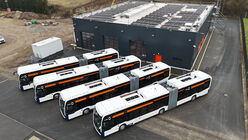
Across Europe, cities are on a mission to cut down on carbon emissions and ditch fossil fuels for good. In Bielefeld, Germany, they've just hit a significant milestone in that journey. The local utility, Stadtwerke Bielefeld Group, has set up a one-megawatt electrolyzer at its Innovation Park Sektorenkopplung, right next to the waste-to-energy plant run by MVA Bielefeld-Herford. Instead of relying on hydrogen delivered from elsewhere, the city will now produce green hydrogen right on-site to power moBiel’s growing fleet of fuel cell buses.
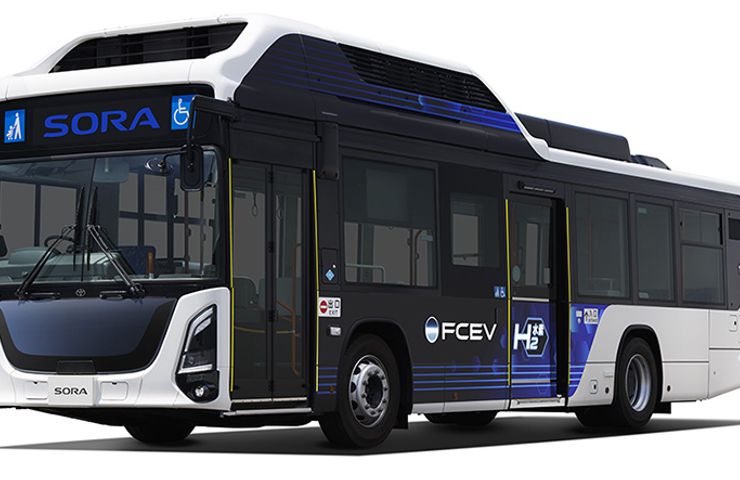
Since 2022, moBiel GmbH has been testing hydrogen fuel-cell buses on route 29, relying on hydrogen brought in by trucks. That trial run saw just four buses, but now the fleet has nearly swelled to thirty! With local production coming online, they’re looking at slashing transport emissions, cutting down ongoing supply costs, and gaining better control over their fuel supply.
Innovation Park: A hub for sector coupling
The new electrolyzer is at the heart of the Innovation Park Sektorenkopplung, a dedicated area where energy, waste, and transportation meet. By drawing electricity from the neighboring waste-to-energy facility, Stadtwerke Bielefeld creates a direct link between local power resources and transport fuel production. This sector coupling strategy is all about maximizing asset use and showing how local low-carbon electricity can underpin everyday transportation.
From delivered hydrogen to on-site production
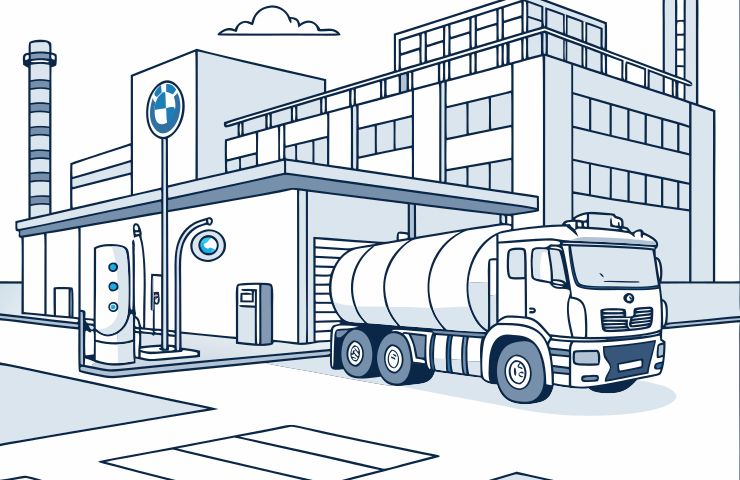
Before this, hydrogen was trucked in from other suppliers, which made things logistically complex and added costs, not to mention emissions. Now, with the electrolyzer in place, they’re using water and electricity from waste to create that green hydrogen. The whole process involves splitting H₂O into oxygen and hydrogen, with the hydrogen then compressed and stored right at the depot with the refueling station for the buses. This not only means fewer trucks on the road but also a more resilient supply chain.
Behind the electrolyzer: how it works
So, how does this electrolyzer work? Basically, it takes electrical current to drive a chem reaction that splits water into hydrogen and oxygen. The oxygen gets released into the air, while we capture and compress the hydrogen for storage. Bielefeld’s one-megawatt system is perfectly sized to meet the depot's daily hydrogen needs, all while harnessing fluctuating electricity from waste disposal. By generating hydrogen when electricity is plentiful, the facility helps balance grid loads and keep operating costs low.
Fuel cell buses: an ideal application
When it comes to the benefits of hydrogen fuel-cell buses, these vehicles convert stored hydrogen into electricity, producing nothing but water vapor when they run. They’re perfect for fixed routes, where centralized depots can easily refuel them, offering zero tailpipe emissions without the range anxiety or long charging times typical of battery-electric buses. moBiel’s hydrogen buses have proven themselves reliable in daily operations, and producing fuel locally should boost uptime and streamline processes even further.
On the financial side, the cost of the electrolyzer and the necessary compression equipment is comparable to that of delivered hydrogen. However, with high utilization rates, they can drive down the cost of hydrogen production and mitigate the impact of fluctuating logistics fees. Over time, getting hydrogen locally might save money and bolster supply security, particularly as electrolyzer technology continues to improve.
Policy support and replication
Backing this project is Germany’s National Hydrogen Strategy, which has funneled federal funds into electrolyzers, refueling stations, and fuel-cell fleets for transport. Bielefeld managed to snag grants for their buses and infrastructure, aligning with the nationwide drive to slash transport emissions. Cities like Düsseldorf, Bremerhaven, and Wuppertal have piloted smaller systems, but Bielefeld is now stepping things up by aiming for depot-scale production that could serve as a model for other municipalities across the country.
Some skeptics still wonder if green hydrogen is the best use of our limited low-carbon electricity, especially when you can go the direct electrification route with batteries. However, advocates argue that buses, thanks to their central refueling and predictable routes, are one of the most compelling cases for hydrogen use. Bielefeld’s initiative will deliver hard data on energy efficiency, reliability, and the total cost of ownership compared to battery options.
As cities strive to decarbonize heavy-duty and fixed-route transit, the trade-offs are starting to become clearer. Hydrogen infrastructure might require more initial investment than charging setups, but it can effectively use existing depot spaces and avoid long wait times for charging. Direct electrification is great for small vehicles, but hydrogen shines where you need long ranges and quick refuels.
Looking ahead
Bielefeld’s shift to producing hydrogen locally marks a real step forward in the journey toward sustainable municipal mobility. It’s transforming a trial operation into a fully integrated energy infrastructure. If everything goes smoothly and the electrolyzer delivers reliable green hydrogen production, moBiel’s buses will run cleaner, and other city planners will definitely take notice. And even if some challenges come up—be it financial, regulatory, or technical—the lessons learned here will help steer the next wave of hydrogen projects.
No matter how things pan out, what’s unfolding in Bielefeld provides a tangible example of how hydrogen infrastructure can intertwine waste-to-energy systems, municipal assets, and public transport into a low-carbon urban mobility solution. It’s a critical test with implications across the nation and a conversation starter on the future role of hydrogen in creating zero-emissions cities.