Green Hydrogen Production Milestone: Moroccan Ammonia Project Aligns with EU RFNBO Standards
Audit by GIZ and LBST finds Morocco’s green ammonia design can meet EU RFNBO standards but flags metering, data and regulatory gaps.

GIZ and consultancy LBST have wrapped up a comprehensive technical audit of a green ammonia project in southern Morocco, aiming to check if it meets the European Union’s RFNBO (Renewable Fuel of Non-Biological Origin) rules. This audit was initiated through Germany’s H2Uppp programme and dives deep into the regulations established by Delegated Regulations 2023/1184 and 2023/1185. The project includes dedicated solar photovoltaic (PV) and wind farms that supply alkaline electrolysers along with a Haber–Bosch synthesis loop. On average, the project hits the lifecycle greenhouse gas (GHG) savings mark—70%—but there are some critical gaps in grid emissions data and accounting that need to be addressed before they can start certified exports to Europe.
- Lifecycle emissions: The hydrogen at the electrolyser measures in at 6.8 gCO2eq/MJ, with ammonia at 21 gCO2eq/MJ and 25.2 gCO2eq/MJ post-cracking, which is a whopping 73.2% reduction compared to the 94 gCO2eq/MJ fossil benchmark.
- Monthly risk: During months with low renewable output, cracked hydrogen can edge up to 27.6 gCO2eq/MJ—just scraping over that crucial 70% savings mark.
- Traceability: The I-REC certificate system in Morocco is in line with RED II, assuming the certificates are correctly issued, tied to the right assets, and properly retired.
- Grid factor: The absence of an official EU emission factor means they have to rely on a proxy (577 gCO2eq/kWh), which could lead to inconsistent evaluations.
- PPA details: Contracts must adhere to Law 40-19 and include clear asset IDs, commissioning dates, and specific clauses about generation data.
Production Methods and Infrastructure
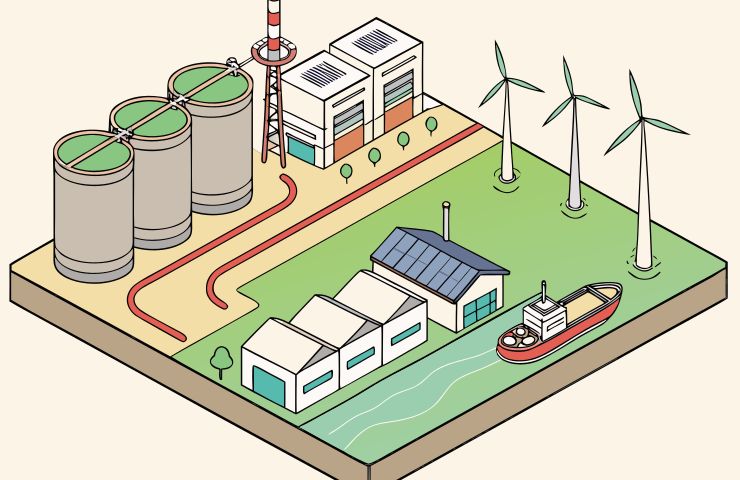
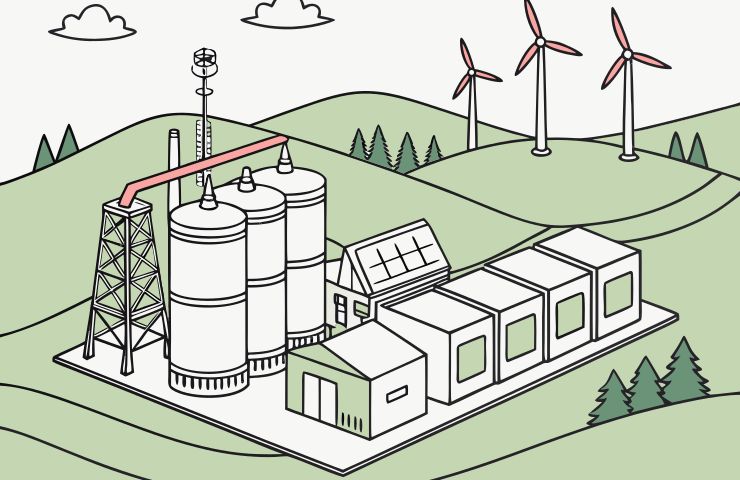
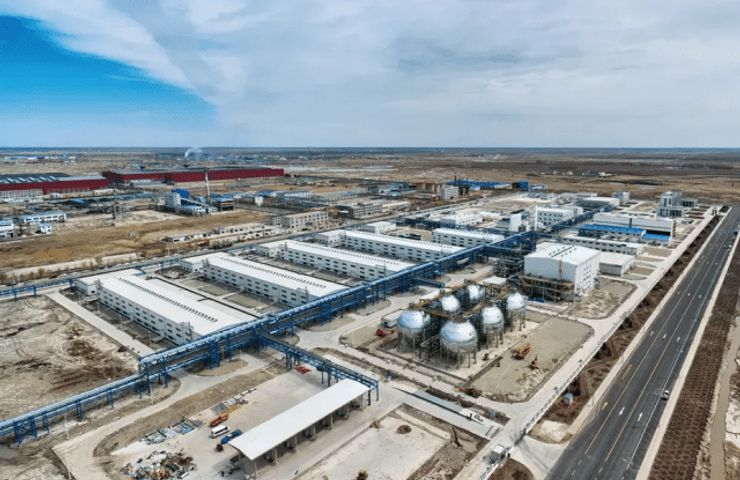
The project links large-scale solar and wind farms directly to battery storage and pressurized alkaline electrolysers, all using desalinated seawater. Hydrogen then flows into either a cryogenic or membrane air separation unit to extract nitrogen, followed by a high-pressure, high-temperature Haber–Bosch loop to create ammonia. They plan for on-site storage and a pipeline running to a coastal port, making it easy to ship out to European terminals where the ammonia can be converted back to hydrogen for fuel cell technology or to help decarbonize various industries. This thorough assessment not only looks at how hydrogen production works but also covers everything from electrolyser manufacturing to desalination operations and transport, giving a full rundown on associated emissions.
Key Gaps and Operational Risks
- Emission factor authority: There’s still no published national grid factor that complies with RED II.
- Temporal granularity: The EU RFNBO rules require a monthly—and eventually hourly—matching of renewable generation to hydrogen output.
- Smart metering: It’s essential to separate direct renewable flow from any grid draw to avoid double counting.
- Production lots: Keeping consignments shorter can help isolate times when renewable output dips and ensure they maintain savings over that 70% threshold.
Regulatory and Business Next Steps
To pave the way for hydrogen project financing and entry into the EU market, Moroccan authorities need to nail down a hydrogen framework law, publish an EU-aligned grid emission factor, and provide PPA templates that align with the new regulations. Developers participating in the Offre Maroc Hydrogène Vert scheme should focus on installing advanced battery energy storage systems (BESS), rolling out smart meters across all their assets, and refining their PPAs. This groundwork is vital for proving additionality, traceability, and temporal correlation—essential steps toward securing voluntary RFNBO certification schemes.
Strategic Implications
This audit is a pivotal piece of the Morocco–EU Partenariat Vert and demonstrates that Morocco’s hybrid renewable model has the potential to meet EU import standards, provided that the data and contracts hold up. The prospect of certified green ammonia exports is not just exciting; it opens up avenues for new revenue, industrial diversification, and job creation in regions like Dakhla-Oued Eddahab. For Europe, tapping into North African supply aligns perfectly with plans to import up to 10 million tonnes of renewable hydrogen by the decade’s end, utilizing strategies like H2Global and projects like H2Med. But it's crucial to carefully manage water resources, integrate the grid wisely, and ensure fair benefit-sharing to scale these efforts sustainably.
As clean hydrogen news continues to spark interest and investment, this case study serves as a timely reminder: Morocco’s abundant sun and wind can indeed lead to low-carbon ammonia. Yet, to get these export-ready projects off the ground, we’ll need precise data, smart contracts, and a clear regulatory framework long before those first shipments set sail.