Green Hydrogen Production: Oriana Power’s ₹4,500 Crore MoU for Maharashtra’s Hydrogen-Ammonia-Methanol Hub
Oriana Power inks a ₹4,500 crore MoU with Maharashtra for an integrated green hydrogen, ammonia and methanol project under state policy incentives.
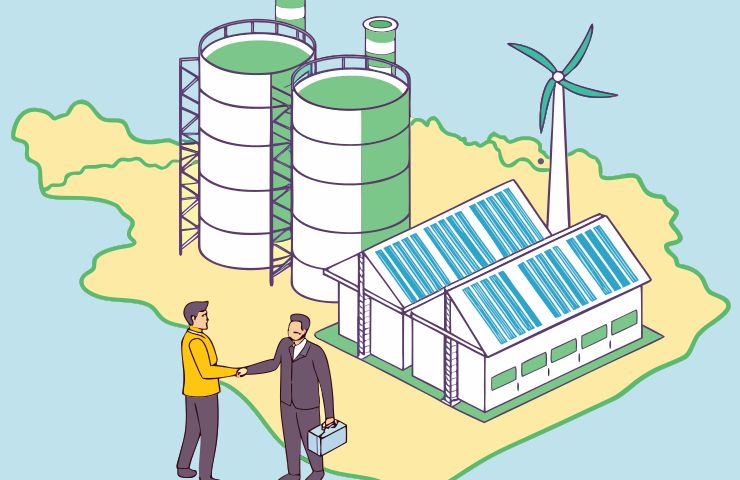
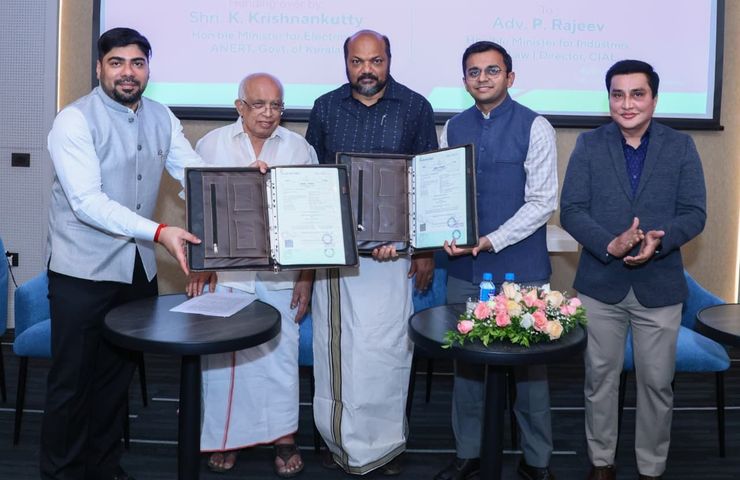
In an exciting move that highlights how India is transforming its clean fuels sector, Oriana Power Limited has just inked a deal with the Government of Maharashtra to dive into an integrated green hydrogen, ammonia, and methanol project. This agreement is valued at around ₹4,500 crore, and it sets the stage for a state-led effort to streamline approvals and incentives under Maharashtra’s Green Hydrogen Policy. It’s a big step for Oriana Power, which is expanding beyond its solar EPC roots.
Bridging Policy and Projects
This memorandum of understanding (MoU) is all about teamwork. The state government will help Oriana Power navigate all the necessary clearances, permissions, and fiscal incentives, while Oriana brings its expertise in project development through its TrueRE Oriana Power brand. This collaboration fits perfectly with Maharashtra’s 2023 policy framework, which offers valuable perks for green hydrogen production, refueling infrastructure, and even pipeline transport. The goal? To turn this project into a clean hydrogen hub by utilizing the rich industrial network, logistical assets, and port facilities the state has to offer.
Technical Deep Dive
At the heart of this initiative is green hydrogen production, which will rely on electrolyzers powered by renewable energy. Simply put, these electrolyzers split water molecules into oxygen and hydrogen when an electric current flows through. Oriana Power plans to source that electricity from its existing solar and battery storage systems, keeping the emissions linked to hydrogen production as low as possible.
Once the hydrogen is produced, it’ll get funneled into two different pathways. The first way involves combining nitrogen—pulled from the air—with green hydrogen in a Haber-Bosch system to create green ammonia. This isn’t just any ammonia; it’s a crucial ingredient for fertilizers and also serves as a hydrogen carrier for exports. The second pathway leads to green methanol, made by reacting hydrogen with captured CO2. This offers a handy liquid fuel option that’s simpler to handle than pure hydrogen. While they haven’t nailed down which tech vendors they’re partnering with yet, previous filings from Oriana Power hint at collaborations with established electrolyzer suppliers and modular synthesis units.
Strategic and Market Implications
This agreement marks a significant shift for Oriana Power. They’re moving from a solar-focused company to a comprehensive clean energy player. The company has already secured a national allocation under India’s SIGHT scheme and is involved in a green ammonia offtake agreement with SECI, which suggests they’re gearing up for long-term supply deals. This MoU with Maharashtra could serve as a key project in their strategy, potentially facilitating financing and offtake talks.
On the policy side, Maharashtra is positioning itself as a leader in industrial decarbonization. The state’s incentives for hydrogen production, along with investments in pipeline networks and refueling stations, have attracted multiple significant MoUs, emphasizing a cluster strategy instead of one-off deals. By incorporating Oriana Power’s integrated project, Maharashtra aims to accelerate the transition in tough industries like fertilizers, chemicals, and shipping fuels.
However, there are some important details still up in the air: specific site locations, plant capacity, and delivery schedules remain undisclosed. So, think of this announcement as a strong signal of intent rather than a finalized investment. There’s still work to be done in securing financing, land acquisition, and solidifying offtake agreements before any groundbreaking can take place.
Context and Comparative Lens
India’s National Green Hydrogen Mission has sparked a wave of state-level policies, but Maharashtra stands out due to its comprehensive incentive structure. Other regions have mainly focused on production subsidies alone. Meanwhile, Maharashtra’s integrated ammonia-methanol strategy reflects international trends where developers link hydrogen production to derivative fuels, avoiding storage and transport costs. Similar clusters are popping up in Europe and the Middle East, but India’s approach uniquely ties state support to a wide value chain stretching from electrolyzer supply to ammonia transport.
Oriana Power’s move mirrors a broader trend among Indian renewable energy companies. They are looking to grow their revenue streams and tap into new markets, with green hydrogen being a focal point. Yet, few have ventured as deeply into the value chain as Oriana, which now boasts capabilities across solar, battery energy storage systems, green hydrogen, ammonia, and e-fuels under its TrueRE brand. If they can navigate the looming challenges in financing, feedstock, and technology partnerships, they could gain a competitive edge in this evolving landscape.
Looking Ahead
The true test for this project will come as they negotiate the nitty-gritty of engineering, procurement, and construction contracts, not to mention securing water and grid connections while also locking in buyers for ammonia or methanol. If Oriana Power can turn this MoU into a fully operational facility, it won’t just validate Maharashtra’s policy framework, but also signal a maturing green hydrogen ecosystem in India—moving from mere policy talk to tangible capital-intensive projects.
For now, that ₹4,500 crore figure is quite eye-catching; it’s substantial enough to draw attention and carve out a place in the competitive market for low-carbon fuels. Still, there’s plenty of execution risk on the horizon. Industry watchers will be keen to see how quickly this project transitions from a simple MoU to engineering and whether offtake agreements and financial deals follow suit. No matter how it plays out, it’s clear that India’s green hydrogen narrative is gaining momentum, driven by a mix of state policies and ambitious corporate goals.