Hydrogen Combustion Engine Van Undergoes Testing at UC Riverside’s CE-CERT
UC Riverside’s CE-CERT lab is testing a hydrogen combustion van imported from France to evaluate NOx control and efficiency, probing hydrogen ICE as a bridge to low-carbon transport.
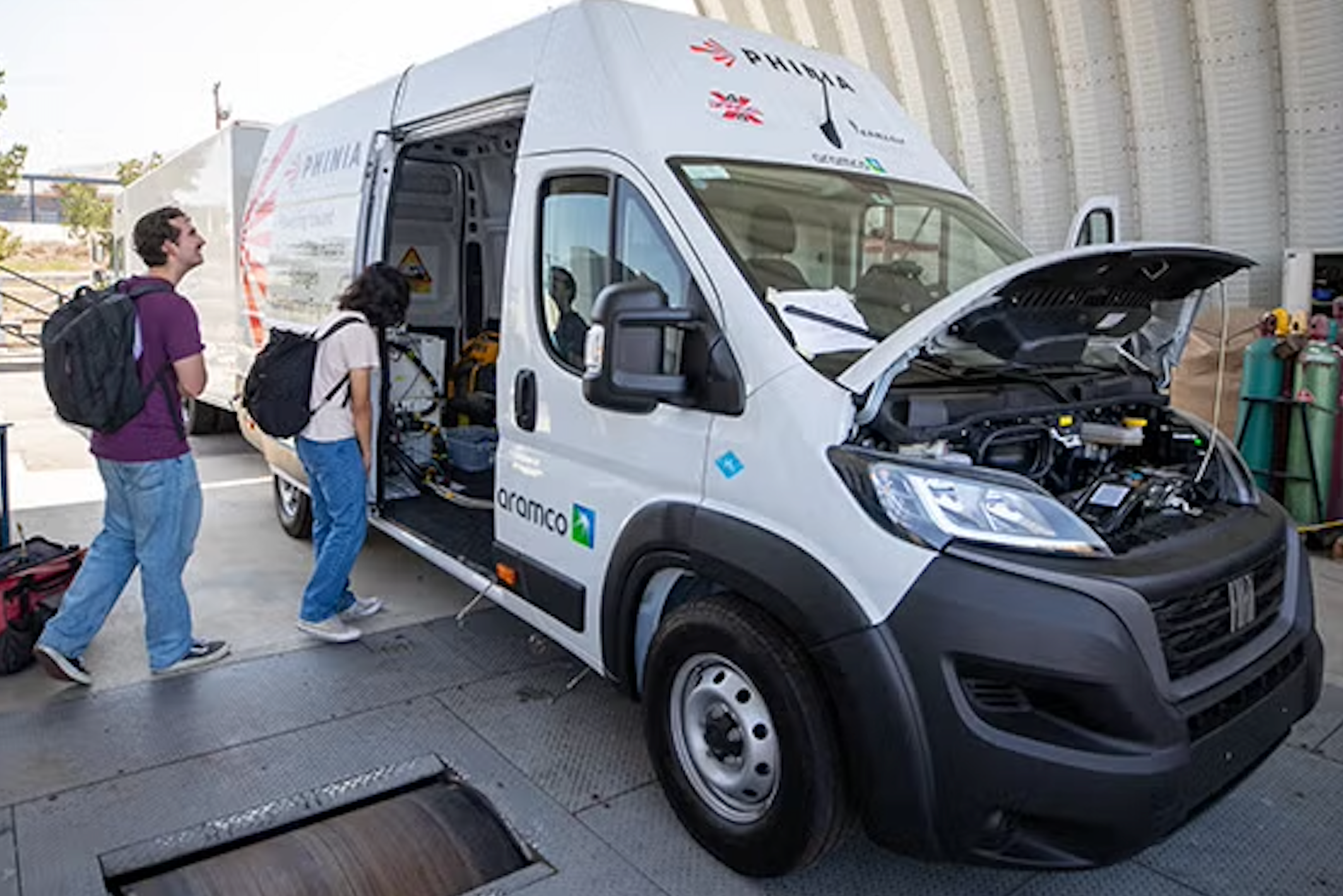
With a lot of buzz around battery technology these days, the University of California, Riverside is shaking things up a bit. They’ve just kicked off real-world emissions testing on a hydrogen combustion engine van imported from France, and it’s not just for show—this is a hands-on experiment happening right in the heart of California’s Inland Empire, where air quality issues are a big deal, and every bit of NOx counts.
What’s the big deal, you ask? Well, hydrogen internal combustion engines (ICEs) might just be the solution to cutting down tailpipe CO₂ emissions without forcing fleet operators into a total fuel-cell or battery overhaul. The folks at CE-CERT are digging into whether existing aftertreatment solutions can manage nitrogen oxides effectively while keeping the costs in check for those who already use piston engines.
CE-CERT is the largest center within the University of California system focused on sustainable transportation and air quality research. Their labs are designed to simulate real-world driving conditions and emissions scenarios, making Riverside a testing ground for the latest powertrains. This new hydrogen van joins other exciting projects that include retrofitted engines, hybrid fuel-cell prototypes, and high-tech aftertreatment setups.
Just earlier this month, the team at CE-CERT started running endurance and emissions trials on a cargo van specially modified to run on compressed hydrogen. This project builds on a partnership with the University of Michigan, which officially kicked off in 2025 under the banner of the Hydrogen Engine Alliance of North America. Together, they’re racing against time to prove that hydrogen ICE can serve as a practical bridge to zero-emission transportation without leaving traditional combustion engines behind.
While the specifics about the van’s make and its French supplier haven’t been disclosed, this move highlights the international interest in hydrogen combustion research, especially as many commercial projects are still focused on fuel cells.
Key Findings to Date: Although they’re still analyzing the data, early dyno tests resonate with previous findings from UCR. Those studies showed that by using platinum and Y-zeolite catalysts, they achieved over 90% NOx conversion at lower exhaust temperatures. Now, they’ll see if the van can deliver on that promise while operating under real-world conditions like stop-and-go traffic and highway speeds.
What It Means: If the CE-CERT van can maintain high NOx conversion rates without suffering efficiency drops, we might see an industry shift. Fleets and Original Equipment Manufacturers (OEMs) could potentially upgrade their existing ICE platforms to run on hydrogen instead of having to tackle the costly learning curve and infrastructure transformation that comes with fuel cells. But if the conversion rates slip during real-world operation, hydrogen combustion might just remain a niche option, overshadowed by batteries and fuel cells.
For fleets that operate on tight margins—like package delivery services, school buses, and municipal vehicles—having reliable fuel costs and minimal downtime is key. If they can retrofit existing systems without a hitch, it could really speed up hydrogen adoption, provided the numbers add up. Operators are likely to pay attention to not just tank-to-wheel efficiency, but also factors like maintenance schedules, catalyst longevity, and fuel contracts.
Technical Dive: Tackling NOx in Hydrogen ICE
Hydrogen's nearly zero carbon footprint at the tailpipe is just the tip of the iceberg. It burns hotter than gasoline, which means NOx emissions can exceed those of diesel if not carefully managed. Previous work at UCR used a two-stage catalytic system that pairs a platinum oxidation catalyst with a Y-zeolite SCR substrate. This zeolite helps manage water in the exhaust, boosting ammonia formation for SCR reactions, and they achieved impressive rates of over 90% conversion under steady conditions.
The U.S. Department of Energy aims for NOx emissions from hydrogen ICEs to stay below 0.2 g/kWh. To meet those standards, CE-CERT's labs will put this van through its paces, simulating urban stop-and-go driving and running cold-start and hot-restart tests to mimic the emissions spikes that often happen in city traffic. Plus, they'll subject the catalyst to thermal aging to ensure it’s robust enough for extended use.
Strategic Angle: Economics and Infrastructure
The success of hydrogen ICEs boils down to total cost of ownership (TCO). Fuel-cell vehicles deliver high efficiency, but it comes at a steep price, thanks to the expensive platinum metals and tailored systems they require. Battery electric vehicles shine on urban routes but face hurdles like range and lengthy charging times when it comes to long-haul transport. Hydrogen ICE, on the other hand, could leverage existing engines and manufacturing processes, potentially cutting upfront expenses substantially.
Take long-haul trucking, for instance—those routes could really benefit from hydrogen if the refueling networks can connect key locations like ports and distribution centers. Meanwhile, shorter routes might still lean toward electric solutions. It’s all about figuring out what works best in different scenarios. CE-CERT's van will track data on refueling time, range per fill, and energy density—these are all crucial elements that will shape the TCO landscape.
Policy and Regulatory Landscape
California's regulators are aiming for a carbon-neutral transport sector by mid-century, pushing rules like the Advanced Clean Fleets and Advanced Clean Trucks, which mandate zero-emission technologies. However, those regulations currently lean more towards battery-electric and fuel-cell vehicles. The Hydrogen Engine Alliance of North America is advocating for a place for hydrogen ICEs, highlighting their lower carbon profile, as long as they can meet strict NOx limits.
On a federal level, the Infrastructure Investment and Jobs Act has set aside funds for hydrogen hubs, and California’s Low-Carbon Fuel Standard could potentially support hydrogen ICE in specific cases, but the industry needs to demonstrate consistent performance first. That’s where CE-CERT's real-world trials come into play, taking place in a region where tailpipe emissions directly impact air quality.
Globally, other regions—from Europe to Asia—are also testing hydrogen ICEs, but solid data is still thin on the ground. The findings from CE-CERT will enrich an emerging body of evidence that informs emissions standards worldwide.
The Hydrogen Engine Alliance of North America isn’t just a name; it's a collaborative effort that brings together researchers, manufacturers, and policymakers to share data, align standards, and communicate with the public. The tests with CE-CERT’s van will help set guidelines for the next wave of hydrogen ICE certification and training programs.
My Take
I can’t help but be a bit skeptical that hydrogen ICEs are going to take over from EVs or fuel cells across the board. Sure, the chemistry challenges can be tackled, but the economics and infrastructure developments are always racing alongside alternative technologies. If CE-CERT proves that NOx emissions can be controlled without hiking costs or reducing efficiency, hydrogen ICE could find its niche in heavy-duty and legacy fleets. But keep in mind: scaling up hydrogen infrastructure requires a lot of money and coordination.
From a market perspective, CE-CERT’s testing sends a clear signal that established engine makers shouldn’t dismiss hydrogen ICE just yet. However, the momentum around electrification is palpable. OEMs pondering investments will weigh this van’s emissions statistics against battery roadmaps and fuel-cell challenges. Only when hydrogen ICE can offer competitive TCO and compliance will it move beyond being just a curiosity in the industry.
And don’t forget: every successful test paves the way for new competition—engine tuners, catalyst developers, and fuel suppliers will all be on the lookout for a winning result.
What’s Next: Keep an eye out for detailed emissions and efficiency data from CE-CERT later this year, as it will play a crucial role in broader industry discussions. Things will heat up when UCR and its Michigan partners host workshops at the alliance’s annual summit. Until then, the results from the van's tests will be the best indicator of whether hydrogen combustion can boost market interest or stall on the sidelines.