Bosch FCPM C190 powers first customer bus trial in Madrid
Bosch’s FCPM C190 powers an Irizar hydrogen bus in Madrid, demonstrating 1,000 km range and 10–15 minute refuelling in EU zero-emission service.
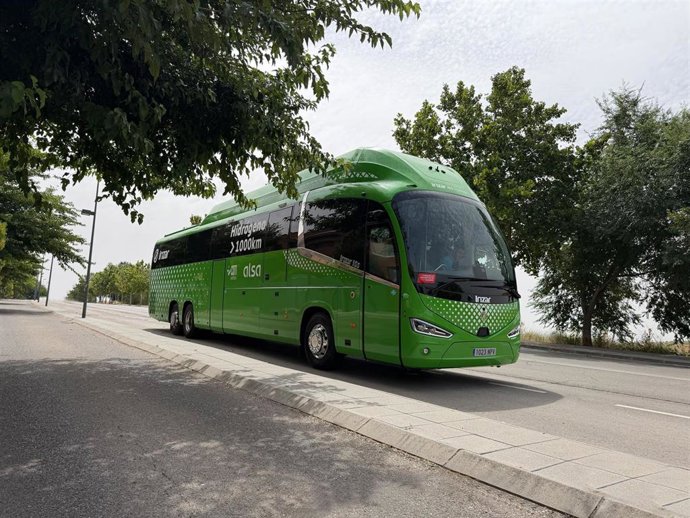
In a groundbreaking move for public transport, Bosch is rolling out its Fuel Cell Power Module C190 on an Irizar bus that's part of Alsa's fleet in Madrid. This pilot project, which just kicked off in the Community of Madrid, aims to tackle the challenges that battery-electric buses face—especially when it comes to charging on those busy urban and suburban routes. According to Bosch's figures, this innovative fuel cell and hydrogen storage system churns out a solid 190 kW of continuous power, boasts an impressive driving range of over 1,000 km on just a single fill-up, and refuels in about the same time as a diesel bus—around 10 to 15 minutes—without emitting anything but water vapor. By integrating this fuel cell technology into a 12–18 meter bus platform, everyone involved is eager to see how ready this tech is for mass production and if it meets the EU's tough zero-emission targets.
Policy Context
Speaking of those targets, the policy landscape is really shifting across the European Union when it comes to reducing CO₂ emissions from heavy-duty vehicles. The updated Regulation (EU) 2019/1242 is calling for a 45% reduction in fleet-wide emissions by 2030, aiming for a whopping 65% cut by 2035 and a jaw-dropping 90% by 2040 compared to 2019 levels. Alongside this, there’s a sales mandate that requires 90% of new urban buses to be zero-emission by 2030, with a full transition by 2035. For city operators like Madrid, which has one of the largest bus networks in Europe and is committed to pushing for better air quality, these new rules are a strong motivator to adopt both battery-electric and hydrogen fuel-cell buses. Plus, there’s EU funding on the table, like the Connecting Europe Facility and national Recovery and Resilience plans, which offer grants to develop necessary infrastructure—especially crucial for those high-pressure hydrogen refueling stations.
Strategic Relevance
This trial in Madrid marks Bosch Mobility’s first partnership with the bus sector, following the start of mass production for fuel-cell modules in Stuttgart-Feuerbach in 2023. With €55.8 billion in sales in 2025—about 61% of the Bosch Group’s entire sales—it’s clear that Bosch is playing for keeps in this game. By putting the FCPM C190 through its paces in real-world conditions, Bosch is looking to refine how these systems integrate and position itself to land more orders across its power modules ranging from 100–300 kW. Irizar is also expanding its offerings by showing off how adaptable their buses can be to different powertrains, while Alsa, a key player in Spain with buses that rack up around 300 km daily, is gaining valuable insights into things like maintenance cycles and how training for drivers can be improved. In an industry where manufacturers are grappling with emission credits, hydrogen buses represent a smart choice alongside battery-electric systems to hit those demanding fleet targets.
Technical Highlight
The FCPM C190 is a bit of a marvel—housing everything from fuel-cell stacks and hydrogen circuits to air compressors and power electronics in one slick rooftop module. Hydrogen is stored at high pressures of up to 700 bar and enters the anode, where the proton-exchange membrane cells work their magic by splitting it into protons and electrons. The electrons then power the bus’s electric motor and all the electrical gear, while the protons team up with oxygen at the cathode to create nothing but water vapor. To keep everything running smoothly, the module has a sophisticated thermal management system with a dedicated chiller loop that keeps temperatures just right across those stop-and-go situations. Plus, auxiliary lithium-ion batteries step in to capture energy from regenerative braking and manage peak loads—overall boosting system efficiency. The bus's design, including how it's balanced and the roof setup, was adapted to make room for the fuel-cell unit and maximize hydrogen tank capacity for those long journeys.
Operational Takeaways
Market Implications
As the push for zero-emission buses picks up steam, how much it costs to own and operate one is becoming a key factor. Right now, hydrogen buses might come with a higher upfront cost compared to battery-electric models, mainly because of lower production volumes, but their extended range and quicker refueling times could make them more efficient in the long run. The EU’s incentive programs, such as the Zero- and Low-Emission Vehicle (ZLEV) fund, reward those who jump on board early. Companies like Bosch are also working hard to lower component costs by scaling up production and securing partnerships for rare materials like platinum. Moreover, Spain and other nations are setting aside funds to co-finance hydrogen refueling stations and maintenance facilities, easing the financial burden on operators and justifying their investments in fleets.
Comparative Landscape
Fuel-cell buses have been around since the early 2000s, but Europe has been trailing behind Asia, mainly due to less developed infrastructure. By the end of 2024, about 8,700 fuel-cell buses were on the road globally, with over 90% spotted in Asian countries that have centralized refueling setups. European projects in places like London, Berlin, and Leipzig have tested early systems but have struggled to scale them up. At the Mobility Move showcase in Berlin, Bosch showcased its 100 kW FCPM C100 city bus; now, the Madrid project is pushing the bar higher by trialing the more powerful C190 in real-world scenarios. Getting data on range, refueling efficiency, and uptime will be crucial in seeing whether hydrogen can stand alongside battery-electric solutions in Europe’s journey towards cutting emissions.
Outlook
This Madrid trial could spark a wave of new hydrogen bus orders across European fleets, particularly on routes where battery technology just doesn't cut it anymore. The final metrics on performance—covering everything from uptime to fuel efficiency and total cost of ownership—will play a big role in shaping future infrastructure projects and procurement strategies. For Bosch, proving this technology's reliability could open the door for larger orders of their modular fuel-cell systems and strengthen their case for integrating hydrogen production and refueling technologies. Meanwhile, operators like Alsa can use the insights gained to improve their depot layouts, route planning, and driver training programs. For broader adoption, though, it will be vital to secure enough green hydrogen through growing electrolyser capacities and weaving renewable energy into the refueling networks. So, success in Madrid could well position hydrogen buses as a strategic partner to battery-electric fleets, driving the decarbonization of both urban and long-distance travel in line with tightening EU emissions standards.