Montebello Bus Lines Introduces First Hydrogen Buses and Refueling Infrastructure
Montebello Bus Lines has begun operating its first hydrogen fuel cell electric buses supported by both temporary and permanent hydrogen refueling infrastructure. The three New Flyer XHE40 vehicles and depot upgrades showcase how smaller transit agencies can deploy hydrogen infrastructure under California’s zero-emission regulations.
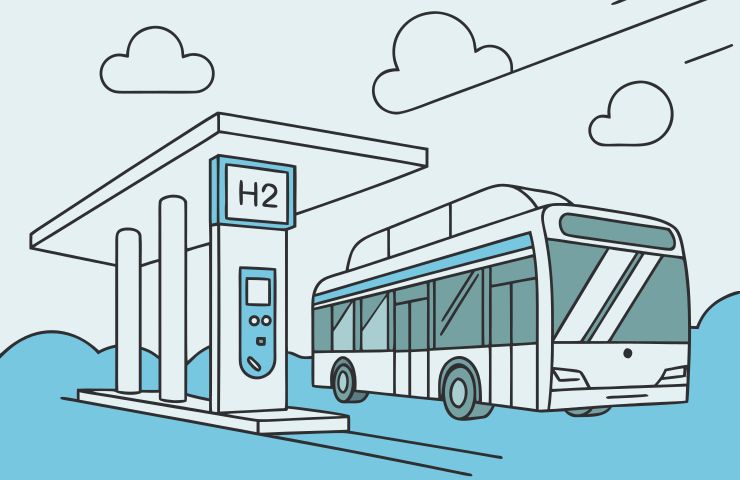
Montebello Bus Lines, a small municipal operator in Los Angeles County, which has just launched its first hydrogen fuel cell electric buses. Alongside these buses, they've set up the essential hydrogen infrastructure to keep them on the road. By rolling out three New Flyer Xcelsior XHE40 buses with a combination of temporary and permanent refueling setups, Montebello is turning its zero-emission bus plan into reality. This move shows that even smaller operators can drive innovation in hydrogen vehicles without waiting for the big cities to make the first move.
From Plan to Pavement
What started as a requirement to comply with California’s Innovative Clean Transit regulation has transformed into an impressive operational model. When Montebello first drafted its zero-emission bus rollout plan, they charted a course towards a 100% zero-emission fleet by 2040. They identified hydrogen fuel cell buses as a critical element in that roadmap. Now, with the first buses rolling into the depot, they’re making those plans a reality. They kicked things off with a temporary hydrogen refueling station, which will eventually lead to a fully-fledged permanent station, ensuring that daily shifts can run smoothly without any downtime for charging.
Why Hydrogen?
While battery-electric buses often steal the spotlight, fuel cell technology brings some unique advantages, especially on demanding routes. Montebello operates long hours with strict schedules—quick turnarounds are crucial. A fill-up at a hydrogen station takes just a few minutes, which is a significant time-saver compared to fully charging a battery pack. Plus, the onboard storage provides enough range for a full day’s operation. This flexibility is a game-changer for mid-sized agencies choosing between hydrogen fuel cells and battery electric options.
Fueling the Fleet
Bringing hydrogen fuel cell buses into action isn’t just about placing vehicle orders; it’s also about creating a reliable supply chain. Montebello collaborated with the Center for Transportation and the Environment on the refueling station design, and local officials secured funding to kick things off. The interim station stores, compresses, and dispenses hydrogen to the bus tanks. At the same time, plans for a larger permanent station, featuring bigger storage tanks, on-site compressors, and advanced hydrogen storage methods, are currently under review. This phased approach has allowed buses to keep running right from the start, while the rest of the infrastructure rolls out.
Technological Insight
Inside each Xcelsior XHE40, a fuel cell stack generates electricity using hydrogen and oxygen from the air, with water being the only by-product. A small battery helps smooth out power fluctuations during acceleration and captures energy when braking. This hybrid setup optimizes both range and efficiency, which is vital for routes where reliability isn’t negotiable. It’s a fantastic example of how evolving fuel cell technology can blend seamlessly into existing bus operations without causing disruptions.
Local Impact and Policy Drivers
The densely populated suburbs where Montebello operates make air quality a constant concern. By swapping out diesel emissions for harmless water vapor, they're significantly reducing local pollution. Plus, the project leverages state incentives and low-carbon fuel credits to help close the cost gap. Behind the scenes, the California Air Resources Board is pushing for increasing zero-emission bus purchases, turning what used to be a costly trial into a standard compliance strategy that encourages agencies of all sizes to explore hydrogen infrastructure alongside traditional battery charging stations.
Challenges and Financing
Transitioning to hydrogen isn’t without its challenges: there's the hefty upfront costs of the vehicles, station construction, and ongoing maintenance upgrades. Montebello has tapped into a mix of state grants and regional funds to make the project a reality. However, the financial landscape can be tricky to navigate. Factors like hydrogen delivery prices, the carbon-credit market, and the timeline for building out infrastructure all influence the total cost of ownership. Many agencies are understandably cautious if their project financing doesn't align with grant cycles. Yet, Montebello’s rollout provides a clear roadmap for how a smaller operator can stitch together funding, technical support, and regulatory compliance into a successful hydrogen initiative.
Mapping the Future of Transit
As Montebello’s buses hit the streets, transit planners around the country will be keeping a close eye on the results. Will the hydrogen refueling station meet expectations? How will maintenance teams adjust to the new service routines? The outcomes will have a ripple effect on similar agencies. Over the coming months, data on bus range, downtime, and operational costs will be key in determining whether hydrogen infrastructure can leave the realm of demonstrations and scale up effectively. For now, Montebello stands as a compelling example of how to implement hydrogen infrastructure on a manageable scale—small enough to learn quickly, yet significant enough to make a real impact.
It may be a bit early to declare hydrogen the end-all solution for every transit route, but this rollout shines a spotlight on the exciting potential of clean hydrogen news within a policy-driven market. By demonstrating that three fuel cell buses and necessary infrastructure can fit into daily operations, Montebello has turned compliance into concrete progress. For agencies contemplating sustainable energy solutions, the message is clear: hydrogen fuel cell technology isn't just for the big players—it’s a practical option for any operator aiming for zero emissions.