Ljubljana Integrates 35 Advanced Mercedes-Benz eCitaro Buses into Public Transport Network
Ljubljani potniški promet integrates 35 Mercedes-Benz eCitaro buses to enhance its zero-emission public transport initiative, marking a significant modernization effort.
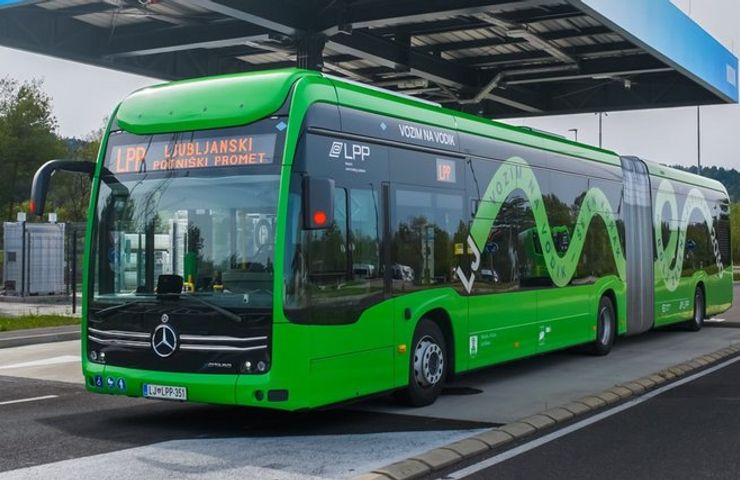
Recently, Ljubljski potniški promet (LPP) unveiled a major enhancement to its public transport system by introducing 35 new electric buses. The package comprises 25 battery-electric eCitaro buses and ten articulated eCitaro G hydrogen fuel-cell buses. It is a clear step toward the city’s stated goal of a zero-emission public transport fleet by 2030.
Dr. Rok Vihar, chief executive of LPP, emphasized that this project aims to optimize public transport efficiency while reducing its carbon footprint. He framed the deployment as pragmatic rather than experimental. Instead of choosing between battery and hydrogen technologies, the new fleet employs a blended approach that allocates buses based on route requirements. Battery-electric buses will run on shorter, more predictable routes that offer ample charging opportunities, while hydrogen fuel-cell buses will serve longer, more flexible routes.
Market Impact
The move places LPP among European operators adapting to a tightening regulatory environment. The EU mandates stricter emissions standards—with a goal of transitioning to 90% zero-emission buses by 2030 and 100% by 2035—and Ljubljana’s initiative aligns directly with those targets. At the same time, the scale of the rollout is notable. The investment required for such an extensive shift remains undisclosed, but it marks one of the largest fleet modernization efforts in LPP’s history, positioning it effectively in a rapidly evolving market.
For city transport agencies watching from nearby capitals, the project provides a working model. It tests procurement choices and route-matching strategies in real conditions. And it does so while covering both ends of the short-range/long-range spectrum: pure battery electrics where charging windows are available, and fuel-cell articulated vehicles where operational flexibility and range are more pressing.
Technical Snapshot
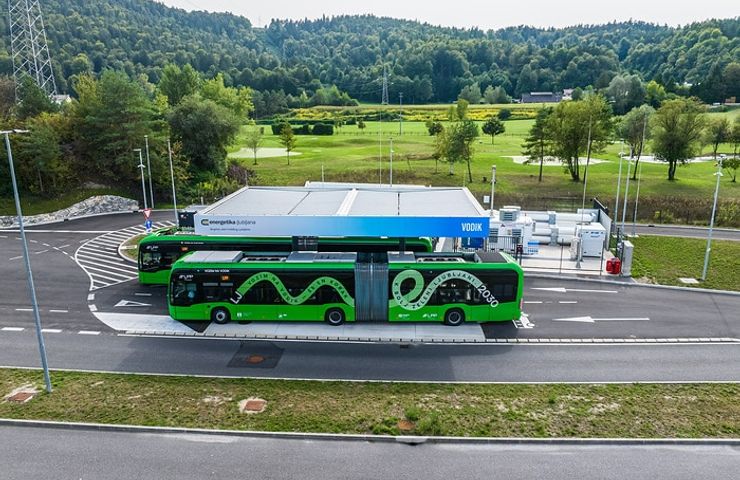
The Mercedes-Benz eCitaro series began production in 2018, a fact that points to a several-year manufacturing track record. The battery-electric model utilizes high-voltage lithium-ion batteries, eliminating local CO2 emissions during operation. The hydrogen fuel-cell model combines batteries with a fuel cell system primarily acting as a range extender. That dual architecture gives operators a hybrid set of tools: battery storage for frequent stop-and-go operation, and a fuel cell to sustain longer duty cycles without long charging interruptions.
Operationally, the two vehicle types present different maintenance and energy management profiles. Battery-electric units demand a charging infrastructure and scheduled dwell time for recharging. Hydrogen fuel-cell articulated buses require hydrogen refueling facilities and protocols for safe handling. Both approaches, however, reduce tailpipe emissions and shift energy consumption away from fossil fuels at the point of service.
Key Takeaways
- LPP's fleet advances sustainable urban mobility and adheres to strict EU emissions rules.
- The introduction of a mixed fleet of battery-electric and hydrogen buses offers increased operational flexibility.
- Strategic infrastructure modifications, including charging and hydrogen refueling stations, enhance the feasibility of this transition.
Anticipated Implications
LPP expects to gather operational metrics as the new buses enter regular service. The project is poised to provide crucial operational insights as LPP collects data on energy efficiency, maintenance costs, and overall fleet availability. Those metrics will inform future procurement decisions and route planning. They will also clarify trade-offs between capital outlay, fueling or charging logistics, and day-to-day availability for scheduled services.
Beyond pure operations, the blended approach could affect public perception. Riders may notice quieter vehicles and lower local emissions on routes served by battery-electric buses. On longer lines, hydrogen fuel-cell buses can offer uninterrupted service without the need for extended charging stops. Together, the two technologies aim to reduce constraints that have limited a single-technology rollout in other cities.
Looking Ahead
As LPP embarks on this ambitious plan, the aggregate results from the deployment will critically influence future public transport strategies throughout Europe. The emphasis on sustainable technology in urban transit not only aims at achieving zero-emission goals but also stimulates local economic activity through job creation related to infrastructure enhancements. That activity covers a range of roles, from installation and maintenance of charging hardware to the operation and upkeep of hydrogen refueling stations.
Implementation will determine next steps. If the collected data show favorable energy efficiency and predictable maintenance cycles, procurement teams may accelerate similar purchases. If challenges emerge, the findings will nevertheless provide a detailed evidence base for adjustments. Either way, LPP’s combined rollout offers a near-term laboratory for the operational realities of zero-emission public transport.
For other municipalities weighing the switch, Ljubljana’s example is practical rather than prescriptive. It demonstrates one way to pair battery and hydrogen technologies so that each is used where its characteristics match route demands. Short runs and scheduled layovers suit battery-electric buses. Longer, more variable routes suit hydrogen fuel-cell buses. That is the precise logic on which this deployment rests.
In sum, the introduction of 25 battery-electric eCitaro buses alongside ten articulated eCitaro G hydrogen fuel-cell buses marks a consequential step for LPP. It tests a mixed-technology fleet at scale, aligns with EU targets, and sets up a data-driven assessment that other operators can study. The rollout will yield hard numbers on energy use, upkeep and availability—numbers that, once analyzed, will help shape the next phase of public transport modernization across the region.