ZeroAvia and Marshall Aerospace team up on defence aviation
ZeroAvia and Marshall Aerospace have teamed up to assess hydrogen fuel cell powertrains for military aircraft, aiming to boost endurance, cut signatures and chart a certification path.
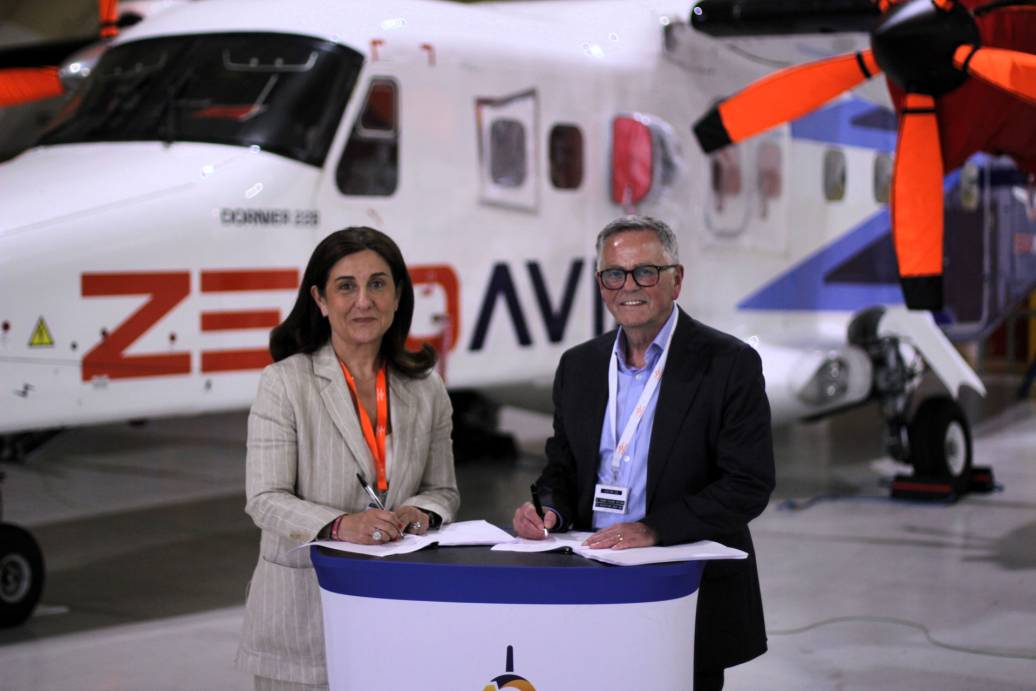
This month, there's some exciting news in the world of hydrogen technology! ZeroAvia, known for its work in hydrogen-electric propulsion, is teaming up with Marshall Aerospace, the UK’s largest independent aerospace and defense engineering company. Together, they're diving into the prospect of integrating hydrogen fuel cell powertrains into future military aircraft. By combining their tested systems with Marshall’s integration know-how, they’re looking to draw a clear line from initial ideas to operational capabilities in defense aviation.
A Quick Look at the Collaboration
Instead of locking themselves into a specific airframe or customer right off the bat, the two partners plan to start by identifying the “highest-impact applications.” They want to find out where hydrogen-electric propulsion could really shine without jeopardizing safety. This initial phase will lead to thorough integration studies, risk assessments, and early certification plans that align with the UK Civil Aviation Authority and Ministry of Defence standards.
Breaking Down the Technical Framework
ZeroAvia offers modular hydrogen-electric engines that cleverly combine compressed hydrogen storage, fuel cells, and power electronics to get electric motors running. Their ZA600 powertrain has already shown reliable thrust in civil flight tests for regional aircraft that seat up to 20 people. Some of the standout features include:
On the defense side, Marshall Aerospace will modify these elements for military use, tackling hurdles like tactical maneuvers, quick refueling, and sustaining operations in the field. Their engineers will also consider structural adjustments, impacts on the center of gravity, thermal management, and ensuring compatibility with onboard avionics.
Considering Strategic and Environmental Implications
Defense customers are feeling the heat to lower greenhouse gas emissions while upping their operational game. Hydrogen fuel cell systems, when powered by green hydrogen, promise zero in-flight CO₂ emissions and could even cut down on NOx and particulate emissions. Some other benefits that are exciting for certain missions include:
But let's not forget: the actual climate benefits really depend on how we produce that hydrogen. Defense planners will need to ensure they have reliable access to green hydrogen or other low-carbon alternatives, weaving this collaboration into the broader narrative of hydrogen infrastructure development and logistical planning.
Business and Market Positioning
With this move into the defense sector, ZeroAvia is broadening its horizons beyond civil aviation, where they've already established numerous partnerships and conducted flight tests. Now they're looking to tap into military budgets, which are known for their long procurement cycles and high-value engineering projects. For Marshall Aerospace, this partnership strengthens its standing in the integration and certification of complex fuel systems, possibly unlocking new retrofit programs and sovereign capability projects.
If demonstration flights and trials go well, we might see hydrogen-electric propulsion carve out a niche but strategic space within the global defense aviation market. Those who get in early could snag export opportunities and join forces in research consortia focused on sustainable defense technologies.
Next Steps and What to Keep an Eye On
The first phase of this collaboration will involve defining technology requirements, conducting risk analyses, and doing some proof-of-concept bench testing. As they move forward, the partners plan to:
For those who are passionate about the intersection of clean energy and defense, this partnership signals a significant shift: hydrogen fuel cell technology looks set to move beyond concept stages in civil aviation toward real-world applications in high-stakes environments. So, keep your eyes peeled for updates—especially regarding platform types, prototype milestones, and certification timelines—as we watch how quickly hydrogen systems can transition from hangar concepts to operational missions.