Hydrogen Infrastructure and Electric Charging Propel UK Zero Emission Flight Demonstrations
The UK’s Zero Emission Flight Demonstrator competition is backing eight projects to trial hydrogen infrastructure and high-power electric charging at airports, proving zero-emission regional flights are operationally viable.
Thanks to support from the Department for Transport, this summer is kicking off eight projects aimed at demonstrating electric and hydrogen-powered aircraft, along with the ground systems needed for them. They've earmarked about £7.3 million as part of a larger £43 million green aviation package to dive into everything from liquid hydrogen logistics to robust electric charging solutions. According to government modeling, zero-emission flight could cut several million tonnes of CO₂ equivalent by 2050, but this hinges on evolving infrastructure, operations, and regulations all at once. This initiative is about collecting vital data, boosting investment, and showcasing what a low-carbon aviation ecosystem really looks like in practice.
Building Liquid Hydrogen Infrastructure at Airports
Equilibrion Limited is taking the lead on a fascinating study at Bristol Airport, focusing on how to ensure a steady supply and system architecture for liquid hydrogen as an airport fuel. They’re mapping out the logistics for turning early trials of hydrogen into reliable fueling systems. The team will investigate options for cryogenic storage, tanker transport routes, how to integrate with existing fueling networks, and even how to produce green hydrogen—whether generated right on-site with renewable-powered electrolysers or sourced from nearby plants. By collaborating with airport staff, regulators, and investors, they aim to craft an evidence-based plan for on-site tanks, well-insulated pipelines, and safe refueling practices. This kind of strategic layout is crucial not just for major international hubs but also for regional airports, tackling the risk of expensive lock-in and addressing safety and cost concerns directly.
Cryogenic Hydrogen for Flight: CHOSAN Project
Badgerworks Limited is diving into cryogenic hydrogen systems with their CHOSAN project, which is set to demonstrate point-to-point flights covering up to 500 km using liquid hydrogen. The team is outfitting a regional aircraft with vacuum-insulated tanks, complete with instrumentation to monitor boil-off rates, maintain temperature control, and evaluate structural performance in flight. By not only validating hydrogen combustion but also fuel cell powertrains, CHOSAN opens a window into comparing hydrogen fuel cell solutions to battery-electric options in aviation. Alongside collecting critical data on safety and operations, this project will contribute to developing certification frameworks necessary for regulators and manufacturers, ensuring that liquid hydrogen can be managed safely and efficiently within typical turnaround times.
Mobile Hydrogen Refueling Ecosystem: HyPRIME
ZeroAvia Limited is cooking up something special with a mobile liquid hydrogen refueling truck set to operate at Bristol and Birmingham Airports. This mobile ecosystem combines cryogenic storage, transfer pumps, vaporizers, and safety controls all within a single truck. That means liquid hydrogen can be delivered right to aircraft stands without the hassle of permanent pipelines. The real innovation here is the reuse of boil-off hydrogen—gas that would usually just be lost—to power a hydrogen tug retrofitted by ULEMCO Ltd and a portable generator from GeoPura. This mobile setup not only offers flexible hydrogen storage, but it's also laying the groundwork for more permanent infrastructure down the line. Through numerous planned refueling operations, the team will gather data on turnaround times, refueling rates, and costs, all crucial for rolling out hydrogen fuel services at multiple airports.
Electrifying Air and Ground: ECLiPSE and SPARC-AIR
On the electric front, Vertical Aerospace, in collaboration with the University of Bath and InnCat Ltd, is developing ECLiPSE, a cutting-edge megawatt-level charging and liquid-cooling system for high-power electric aircraft and eVTOLs. By integrating innovative power electronics, thermal management, and smart grid interfacing, ECLiPSE is set to rev up battery recharges quickly—within those tight turnaround windows—while making sure to minimize the footprint and installation time. Adding to this, the SPARC-AIR project, spearheaded by SYSELEK together with the University of Warwick and Daedal Research, is crafting a scalable blueprint for charging infrastructures at Greater London airports. This project will explore on-site energy storage, smart grid controls, and financial models, ensuring battery-electric operations mesh smoothly into busy aviation networks. Together, these high-power charging solutions link directly to the broader hydrogen infrastructure plan, paving the way for a mixed zero-carbon propulsion approach where hydrogen and battery-electric systems can be evaluated for efficiency, cost, and ease of operations.
Regional Roadmaps and Electric Networks in Remote Communities
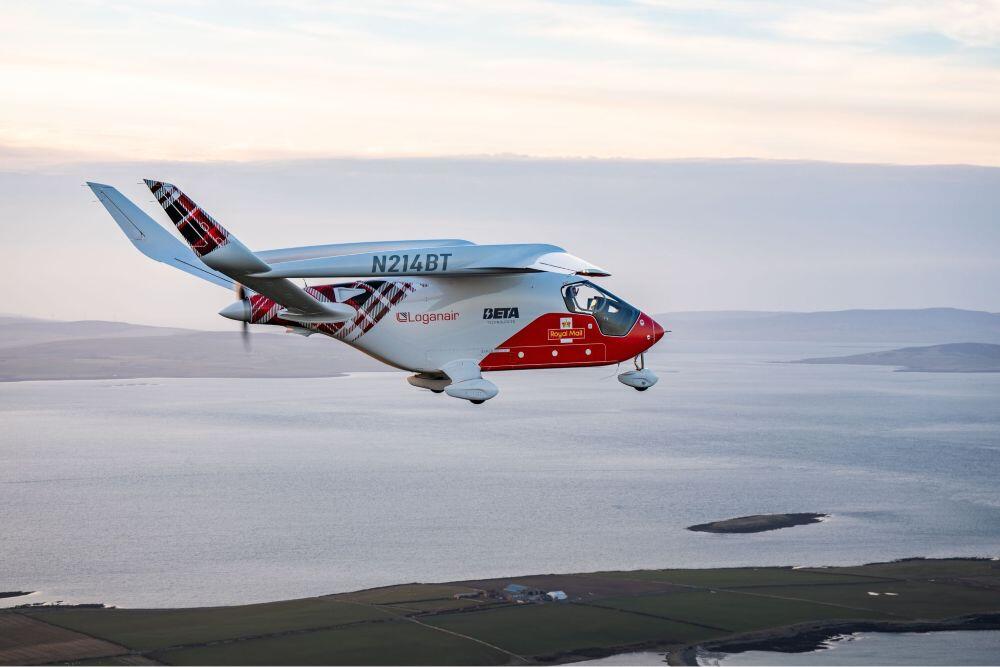
Urban Foresight Limited is paving the way for a hydrogen aviation roadmap tailored for the Highlands and Islands of Scotland through the SATE feasibility study. This initiative aims to dig into route demand, the age of current fleets, and infrastructure gaps to pinpoint where hydrogen flights can bring the most connectivity and economic benefits. By weaving aviation into local energy plans, SATE hopes to assist remote communities grappling with high travel expenses and ageing aircraft. Meanwhile, Bristow Helicopters and BETA Technologies Inc. are teaming up for Project SEAN, which is all about showcasing electric flight using the Alia CX300 centered around Inverness Airport. They’ll be putting pilot training, operational risk assessments, and charging workflows to the test through various trial flights, demonstrating how electric aviation can boost regional mobility and tourism without racking up carbon emissions.
Sky-Zero: Tackling Contrails in Zero-Emission Flight
Electric Aviation Group Limited is taking the initiative to address climate impacts caused by contrails with the Sky-Zero project. It turns out that even hydrogen fuel cells and combustion engines belch out water vapor that can create ice crystals, forming those high-altitude clouds that trap heat. Sky-Zero intends to analyze UK meteorological data along with flight paths to identify the perfect conditions for creating persistent contrails. After that, they'll develop decision-support tools that help pilots adjust altitude or routes, balancing factors like fuel use, safety, and climate impact. By measuring, reporting, and verifying contrail avoidance, Sky-Zero aims to guarantee that the CO₂ emissions saved through zero-emission engines don’t get offset by other warming effects.
Secret Sauce: Policy, Funding, and Regulation
This whole program is fueled by the Department for Transport, acting as both a policy leader and financial backer, with Innovate UK overseeing the competition's delivery, project picks, and technical aspects. It fits neatly into the wider Jet Zero R&D strategy, which is all about decarbonizing UK aviation by the middle of the century. On the regulatory front, the Civil Aviation Authority is moving ahead with its Hydrogen Challenge to figure out how hydrogen can be certified for aerial use and integrated into airports. By aligning these technical pilots with regulatory and industry roadmaps, the competition helps build a solid evidence base on safety, standards, and economic viability—making investments in hydrogen infrastructure, fuel cell powertrains, and high-power electric charging much less risky.
Bottom line
From the innovative cryogenic storage plans at Bristol Airport to mobile refueling trucks at Birmingham, high-power charging in London, and electric networks in the Scottish Isles, these projects are tackling all angles of the zero-emission challenge. They're planting the seeds of evidence, fine-tuning procedures, and proving that hydrogen infrastructure and electric charging can seamlessly fit into real-world airport operations today. For the industry, regulators, and investors, what comes from these findings will shape the deployment of permanent tanks, pipelines, and chargers—and how to get them certified and up and running safely. For anyone keeping tabs on hydrogen developments, these projects shine a light on practical insights regarding green hydrogen production, storage, and refueling stations. In short, the UK is on the way to creating a roadmap for the first commercial hydrogen and electric short-haul services by the end of this decade.