Hydrogen Infrastructure: How Nowega’s Frenswegen Expansion Fuels the Transition
Nowega GmbH is upgrading its Frenswegen site in Lower Saxony to retrofit eight high-pressure pipelines for pure hydrogen transport and add dedicated storage facilities. Linked to RWE’s 300 MW Lingen electrolyser through the GET H2 Nukleus corridor, the €150 million project strengthens Germany’s hydrogen infrastructure.
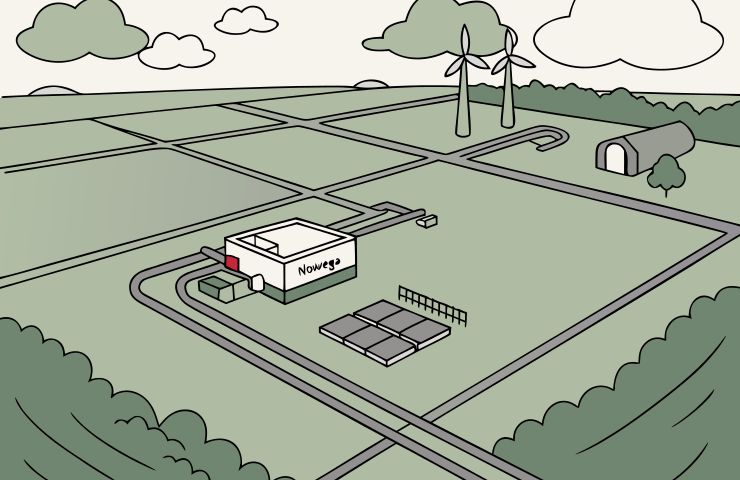
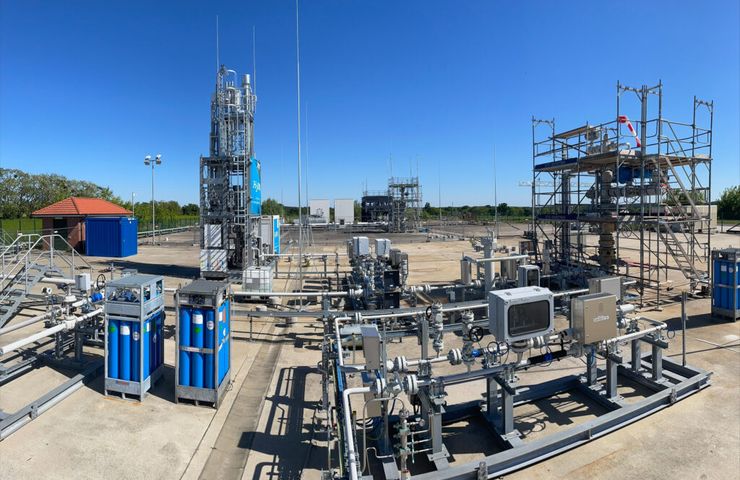
Nowega GmbH is making some exciting moves over at their Frenswegen site near Nordhorn in Lower Saxony. They’re gearing up to create a hydrogen-ready grid node, where eight high-pressure lines will come together. This step is part of Germany’s broader ambition to repurpose existing pipelines and storage facilities for a booming green hydrogen production economy, helping to enhance hydrogen infrastructure all across Europe. With a hefty €150 million financing package in their pocket, they’re adding a brand new storage hall spread over a whopping 9,000 square meters and making sure their connections to the flagship GET H2 Nukleus corridor are up to snuff. This corridor will connect RWE’s 300 MW electrolyser in Lingen with local industrial users who are keen on going green.
You might wonder what sets Frenswegen apart from just another pipeline junction. Well, it has a rich history. Once, canals were bustling with textile trade, and deep gas bores were extracting fossil methane. Now, those very same pathways are being transformed to transport hydrogen produced by renewable energy sources through electrolysis.
A Node Reimagined
Frenswegen has been home to a deep gas bore for quite some time, and its rural landscape features a network of industrial infrastructure springing from natural gas operations. By retrofitting eight of these gas lines to handle hydrogen, Nowega is on a mission to build a versatile hub that can carry either pure hydrogen or blends of it as demand grows in the region. They’re serious about safety too, with strict material assessments and pipe coatings to prevent any potential problems down the line. The commissioning will follow a phased approach, starting with low-pressure leak tests to ensure everything’s shipshape.
Pipelines on the Path to Hydrogen
All this talk about retrofitting gas networks is at the center of the latest clean hydrogen news. Instead of laying new pipes from scratch, Nowega is cleverly using up to 95 percent of its existing steel lines, which saves both time and money. Once these lines get the green light for hydrogen use, the system is set to go from initial filling pressures of just a few bars to standard operational levels. Inline membranes will ensure the purity of hydrogen for various downstream uses, everything from fertilizer manufacturers to refineries.
Fuel for a New Era
At the heart of this innovative grid node is RWE’s 300 MW electrolyser, powered by wind and solar energy. Thanks to the GET H2 Nukleus link, this green hydrogen will flow through 55 kilometers of revamped pipeline, supplying chemical producers and heavy industry players who are eager to cut down on their carbon emissions. What's impressive is that this pure hydrogen stream offers an emissions profile that beats grey and blue hydrogen options that are currently more common in the market.
Money Makes It Move
When it comes to transforming energy systems, financing is absolutely key. Nowega's journey to repurpose its pipeline has secured a solid €150 million package to fund all those necessary network upgrades and new infrastructure developments. This deal represents a real milestone in hydrogen project financing, aligning perfectly with Europe’s IPCEI hydrogen framework and Germany’s ambitious climate goals to achieve carbon neutrality by 2045. By locking this funding in now, Nowega is sending a strong signal to investors and potential offtakers.
Storage Steps into the Spotlight
On top of pipelines, hydrogen storage is stepping into the limelight as a critical piece of the puzzle. This Frenswegen expansion will include a dedicated storage facility where pressurized hydrogen can help balance supply and demand. This kind of flexibility is essential for stabilizing throughput from renewable energy sources, ensuring a consistent delivery to end users even when the wind doesn’t blow or the sun doesn’t shine.
Rooted in the Community, Poised for Growth
The local economy in Bentheim and the 57,000 residents of Nordhorn are all set to gain new job opportunities in system maintenance, project management, and safety oversight. The cost of living is relatively affordable too, with one-bedroom apartments averaging around $480 USD, making it an attractive spot for newcomers. Plus, enhanced grid connections could potentially lure in fresh ventures, like ammonia synthesis projects or hydrogen refueling stations to service transport fleets.
Policy Winds and Pressure Limits
Germany’s regulatory scene has kept hydrogen blending in natural gas grids at low percentages so far. However, the shiny new corridors like Frenswegen are built specifically for 100 percent hydrogen use. This will require updated safety manuals and new approval processes. The team at Nowega is actively collaborating with authorities to simplify the permitting process and set a blueprint for future hydrogen-only networks.
Ripple Effects Beyond the Border
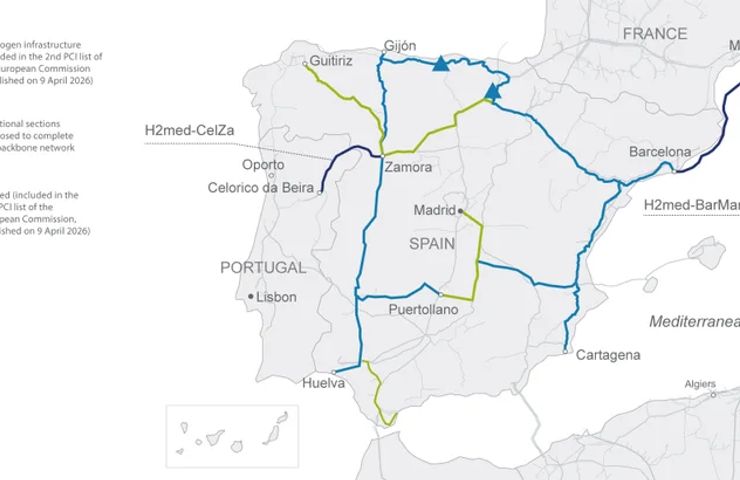
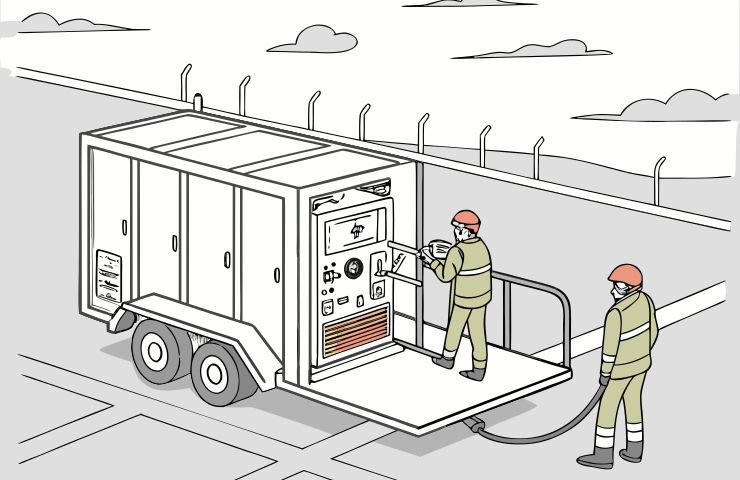
It looks like Lower Saxony’s green hydrogen ecosystem is about to connect with import routes in the Netherlands and Belgium, paving the way for cross-border exchanges. We're talking about trucks that could easily refill from portable hydrogen trailers powered by Frenswegen’s storage, or ammonia tankers departing Wilhelmshaven loaded with low-carbon cargo. But all of this hinges on solid domestic infrastructure that can support these developments.
Looking Down the Pipeline
Germany’s hydrogen future is going to depend heavily on scalable projects like the upgrade at Frenswegen. The outcome of this initiative—or the lessons learned along the way—could influence the 40,000 km gas grid across Europe, sparking more retrofit campaigns. The big question is whether policy stability and renewable supply can keep pace with these ambitious goals. If they can, we might just see Germany exporting this model to global partners, ushering in a new era of hydrogen infrastructure around the world.
In the intricate dance between molecules and megawatts, nodes like Frenswegen are the unsung heroes making sure every hydrogen performance hits the right notes, safely and on time. As this junction comes online, it’s not just about transporting gas; it symbolizes the promise of a cleaner, more robust energy landscape.