Hyundai Translead Partners with Range Zero Emissions to Boost XCIENT Fuel Cell Truck Access in Washington
Hyundai Translead tapped Range Zero Emissions as its Washington dealer, broadening hydrogen infrastructure and commercial support for the XCIENT Fuel Cell truck across the Pacific Northwest.
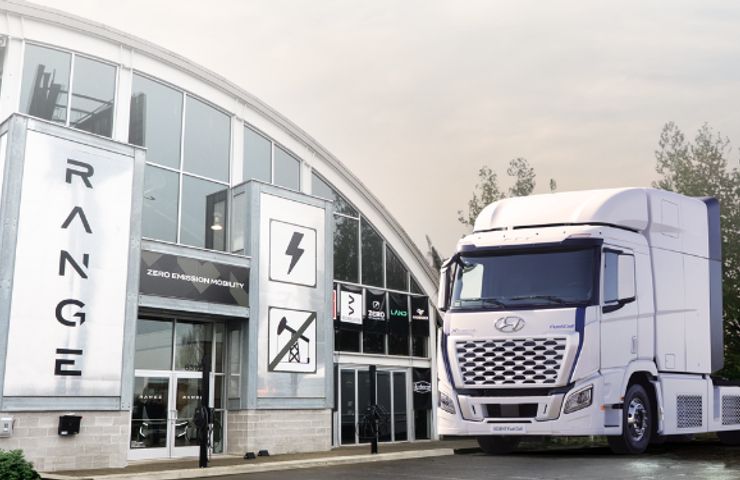
Hyundai Translead has brought Range Zero Emissions into its network of authorized commercial vehicle dealers in Washington. This move gives fleets in the Pacific Northwest direct access to the innovative XCIENT Fuel Cell Class 8 hydrogen truck, available right at Range's Fife showroom and service center. By expanding this partnership, they’re definitely making strides in boosting the hydrogen infrastructure in a crucial freight area.
As the exclusive distributor of Hyundai Motor’s XCIENT Fuel Cell trucks in North America, Hyundai Translead is carefully building a solid network of commercial vehicle dealers to support everything from sales to service, parts, and infrastructure guidance. Range Zero Emissions is the latest addition, joining a group that includes Tom’s Truck Center in Southern California, Breadner Trailers in Canada, and Hendrickson Fleet Solutions in the New York/New Jersey area. The Fife location couldn’t be better placed, sitting close to the Port of Tacoma and Interstate 5 corridors, making it a perfect fit for clean energy initiatives at these vital maritime zones.
Hyundai Translead, which started back in 1989 and is headquartered in San Diego, designs and manufactures dry and refrigerated van trailers, truck bodies, flatbeds, and chassis. With an eye for quality, they hold ISO 9001 certification and maintain high standards across their multiple facilities in Tijuana, Mexico. In late 2025, they took on a bigger role as the exclusive distributor for Hyundai Motor’s XCIENT Fuel Cell trucks in North America. This move is all about building a commercial network that can effectively handle parts, warranties, and dealer training, highlighting their ambition to lead the way in hydrogen mobility for freight.
Range Zero Emissions was established with a clear mission: to serve as a multi-OEM commercial EV dealership specializing in Class 8 battery-electric and hydrogen trucks. With its headquarters in Fife, Washington, they offer regional showrooms and are well-equipped to assist with charging infrastructure planning, financing, incentive navigation, and maintenance services. Recent acquisitions of Ethero Truck & Energy’s West Coast operations and Ziegler Truck Group’s zero-emissions business only enhance their footprint, making Range a significant partner in rolling out hydrogen solutions.
Technical Deep Dive: XCIENT Fuel Cell Powertrain
The XCIENT Fuel Cell Class 8 truck is pretty impressive—it's equipped with a hydrogen fuel cell powertrain that integrates two 90 kW proton exchange membrane stacks, totaling 180 kW, along with a 72 kWh lithium-ion battery and a 350 kW electric motor that cranks out up to 2,237 Nm of torque. It stores approximately 68.6 kg of hydrogen at high pressure (700 bar) in composite tanks, allowing it to travel up to 450 miles while carrying a gross combination weight of 82,000 lbs. When hydrogen enters the fuel cells, it splits into protons and electrons; those protons move through the membrane while the electrons power the electric motor and other systems, with water vapor being the only emissions at the tailpipe.
The battery on board plays a crucial role, helping to handle peak power demands and capturing energy during regenerative braking, which eases the load on the fuel cells. Refueling at compatible 700 bar stations is quick—taking only 8 to 20 minutes, which is pretty similar to diesel refueling times. It’s essential to keep the hydrogen pure to maintain membrane durability, so dealers are trained to follow specific fueling protocols to prevent contamination.
Strategic Network Expansion
The dealer networks are vital for the commercial take-up of hydrogen fuel cell trucks. Since these trucks are still pricier than diesel models and rely on developing refueling infrastructure, having a comprehensive service network is key. By offering sales, financing, and expert service all under one roof, Range Zero Emissions is working to lower transaction costs and boost fleet confidence. This bundled support is especially critical in regions where federal incentives are kicking in, such as tax credits tied to clean hydrogen production and the purchase of zero-emission trucks.
This partnership fits into a clear strategy: expanding dealer coverage across the West Coast while complementing big projects like the NorCAL ZERO deployment at California ports. Each regional dealer fortifies supply chains for parts and training, which cuts down the risk of downtime and reassures operators that there’s a full service ecosystem established before they adopt hydrogen.
Policy and Environmental Context
The Pacific Northwest is lucky to have plentiful renewable energy resources, including hydro and wind power, making it a prime spot for testing out hydrogen trucking. State initiatives are working hard to decarbonize freight corridors and ports, and there are public incentives to help tackle those hefty initial costs of hydrogen stations and the vehicles themselves. Deploying XCIENT trucks close to the Port of Tacoma fits perfectly with efforts aimed at cutting down CO₂, NOₓ, and particulate emissions in busy freight areas.
When it comes to climate benefits tied to hydrogen use, the source matters: green hydrogen offers significant reductions in emissions, while grey or blue hydrogen that leaks methane can hurt the overall environmental benefits. Dealers who can guide fleets towards low-carbon hydrogen procurement are essential in maximizing those climate advantages.
Comparative Angle: Hydrogen vs Battery Electric
As fleets consider zero-emission options, both hydrogen and battery electric trucks bring unique strengths to the table. Battery electric models shine in short-haul and urban routes thanks to easy access to on-site charging at depots. On the flip side, hydrogen is ideal for long-haul operations and drayage applications, matching the range and refueling times of diesel. With Range Zero Emissions’ multi-OEM strategy—now including Daimler’s RIZON battery trucks along with the XCIENT—it allows operators to test both technologies side by side, helping them figure out the best fit for different route profiles.
By showcasing mixed fleets in its showrooms and service centers, Range can provide operational data across various duty cycles. This kind of insight is invaluable for fleet managers looking to optimize their total cost of ownership and emissions outcomes.
Outlook and Implications
Getting hydrogen fuel cell trucks out of pilot programs and into broader commercial availability hinges on having a network of capable dealers, reliable fueling infrastructure, and supportive policies. The partnership between Hyundai Translead and Range Zero Emissions is a tangible test of this model in a region that's ready for clean-energy freight. If costs continue to drop, fueling stations become more widespread, and operators experience consistent uptime, this dealer-driven approach could serve as a template for other corridors.
As we look to the future, more dealer appointments are likely as Hyundai Translead aims to ramp up its coverage from Canada to the U.S. East Coast. The success of hydrogen in decarbonizing heavy-duty transportation will depend on coordinated efforts among manufacturers, distributors, fuel suppliers, and regulators.