Hydrogen Infrastructure Partnership Debuts at Caltech to Cut Carbon with Onsite Blending
Bloom Energy and SoCalGas are teaming up at Caltech to blend renewable hydrogen into the gas network, cutting emissions and creating California-based jobs through a high-temperature electrolysis demonstration.
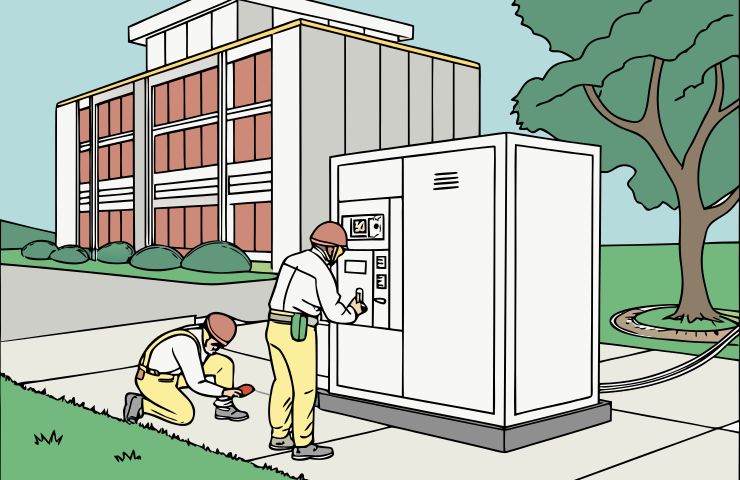
Bloom Energy Corporation and Southern California Gas Company (SoCalGas) are teaming up on an exciting project at the California Institute of Technology (Caltech). This partnership is perfectly aligned with California’s push towards decarbonization. Essentially, they’re demonstrating how blending clean hydrogen into the existing gas network can actually lower carbon emissions, cut down on air pollution, and strengthen local resilience.
Tackling Real-World Challenges in Gas Infrastructure
This initiative aims to tackle real-world challenges not just for campus utilities, but for much broader applications. By generating hydrogen right on-site and mixing it into the natural gas pipelines, the team is looking to slice down greenhouse gas emissions and improve air quality with minimal changes to the system. The concept is straightforward yet impactful: use renewable electricity for hydrogen production, then blend that hydrogen directly into the fuel mix.
By incorporating a bit of renewable hydrogen, the fuel blend helps reduce carbon dioxide, nitrogen oxides (NOx), and particulate emissions from things like boilers and labs. This means customers enjoy cleaner combustion, which ties in nicely with California’s clean air goals and supports healthier environments in research facilities and workshops.
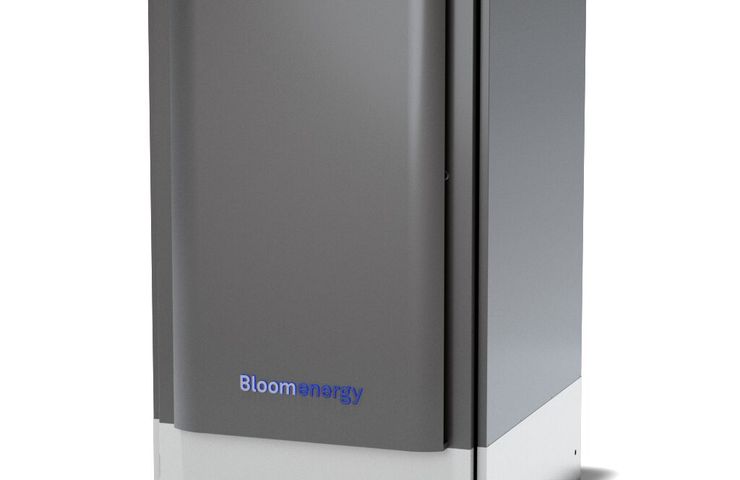
At the heart of this demonstration is Bloom Energy’s high-temperature solid oxide electrolyzer. This nifty piece of tech uses electricity and steam to separate water into hydrogen and oxygen. Plus, with some heat thrown in, it trims down the overall energy usage. The design aims for about 20-25% more hydrogen output per megawatt than traditional electrolyzers, paving the way for efficient green hydrogen production.
A Simple Yet Effective Approach
Instead of going through the hassle of building new pipes or storage tanks, this project is smartly blending hydrogen right into the existing setup. End users can burn this mix with just a few minor tweaks, meaning labs and facilities at Caltech can keep running smoothly without any disruptions. It’s a low-friction approach to cleaner energy, proving that big changes can come from small adaptations.
This demonstration is also tapping into local expertise right here in California. SoCalGas brings deep know-how about pipeline safety and operations to the table, while Bloom Energy’s facility in San Jose is responsible for designing and building the electrolyzer units. Together, they’re honing in on solutions that fit regional needs and comply with local regulations.
Local Impact: Made in California, For California’s Future
True to the “made in California, for California’s future” philosophy, all electrolyzer units are designed and assembled right here in the state. Bloom’s San Jose facility is generating skilled jobs in production, quality control, and field installation, helping to bolster the region’s clean tech workforce.
On the utility side, SoCalGas is hiring technicians, safety engineers, and research analysts to track blending ratios and performance metrics. This demo project is not just about showing off technology; it’s also about grooming local talent for the next generation of hydrogen infrastructure, preparing them for what’s sure to be a booming market.
Paving the Way for Clean Hydrogen Infrastructure
This pilot is part of a larger movement to establish a robust hydrogen infrastructure across California. By collecting real-world data on pipeline integrity, combustion behavior, and overall system efficiency, these partners plan to inform future regulations and standards. The insights gained from this project will help utilities and regulators figure out best practices for hydrogen blending.
The demonstration also aims to see how these lessons can translate to remote microgrids, industrial parks, and data centers. It's not just about creating hydrogen refueling stations but also about offering solid solutions for distributed power backups. This is clean hydrogen news that’s vital for both communities and essential facilities alike.
Wider Applications for Hydrogen Production Methods
While the focus of the Caltech project is on blending, its implications stretch far and wide. Industrial sites and campuses can take cues from this setup to cut down CO₂ emissions, all while validating green hydrogen production methods at a manageable scale. This test bed illustrates how blending fuel cell and electrolyzer skills can lead to a practical and scalable path towards decarbonization.
Bloom’s solid oxide fuel cell systems are already powering commercial and industrial sites around the globe, providing reliable electricity with minimal local pollutants. By merging that capability with high-temperature electrolysis, the company is developing a comprehensive hydrogen solution that’s ready for widespread use.
Celebrating Innovation and the Path Ahead
Innovation thrives on collaboration, and this Caltech demonstration is a fantastic example of that. By bringing together tech leaders, utility experts, and academic researchers, the project outlines a clear way forward: leverage existing resources, utilize local talent, and scale up testing. It’s a partnership that shows how solving real-world challenges can be both efficient and impactful.
Moving forward, Bloom Energy and SoCalGas plan to share their findings with other gas providers, research institutions, and industrial partners. As renewable energy continues to grow, incorporating clean hydrogen into gas networks will be a crucial tool for managing fluctuations and reducing carbon footprints across communities. This collaboration is paving the way for the future of hydrogen infrastructure.