Hydrogen news: Chile’s homegrown hybrid fuel cell truck drives green logistics revolution
Chile’s H2V-TRANSDRIVE program has unveiled a locally engineered hybrid fuel cell truck offering 600 km range and 2,000 kg payload. Pilots in central and southern regions will validate performance and support national hydrogen infrastructure roll-out.
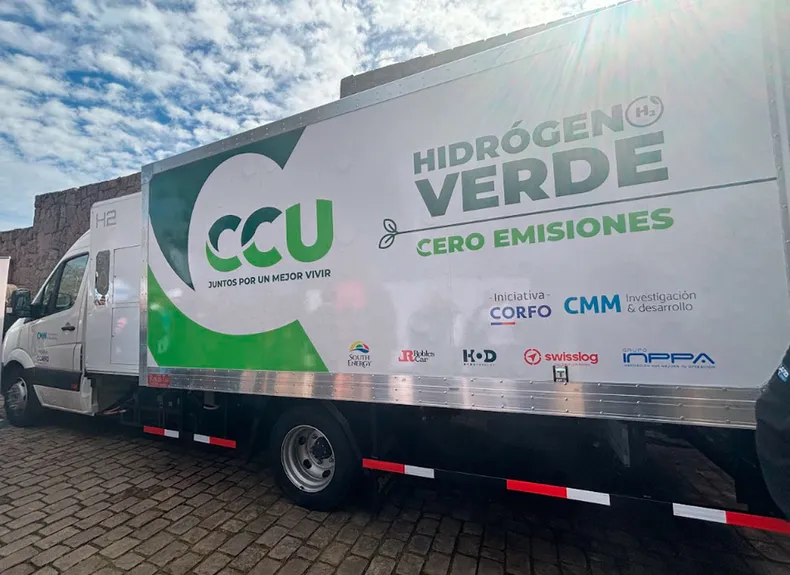
Nestled between the stunning Andes mountains and the endless Pacific coastline, Chile is really making headlines in the hydrogen news game. The latest buzz comes from a groundbreaking project under the Programa Tecnológico H2V-TRANSDRIVE. Local innovators like Centro Mario Molina and South Energy have rolled out a hybrid truck that’s a real marvel. Imagine cruising 600 kilometers on just one tank while hauling a hefty load of 2,000 kilograms! Powered by green hydrogen from wind and solar energy, this truck combines the best of both worlds—electric drive and hydrogen fuel cells—for a transformative take on green hydrogen production.
A Leap Forward in Green Logistics
This new hybrid truck is shaking things up in the logistics sector. With a savvy setup that pairs a proton exchange membrane (PEM) fuel cell with a powerful battery bank, it delivers consistent torque while keeping energy use in check. Need a pit stop? No problem! The quick-fill hydrogen refueling stations can pump up the tank in just six minutes—think of it as the snack break that avoids the long waits for charging up purely electric trucks. Plus, thanks to regenerative braking, you can capture up to 20% of the energy used while braking. This truck doesn’t just meet conventional diesel standards; it absolutely crushes them, all while keeping emissions to zero.
With an impressive autonomy of 600 kilometers, the truck is geared up to tackle multi-day journeys across Región Metropolitana and Valparaíso without needing to refuel. Its 500-bar hydrogen tanks make it capable of supporting nonstop logistics runs, while the battery kicks in during peak demands to ensure smooth performance—showing that it’s not just a choice between hydrogen fuel cell vs battery electric; it’s about how they can work beautifully together for sustainable transportation.
A Collaborative Ecosystem Driving Innovation
Behind this impressive feat is a solid team effort. A collaborative alliance is pushing the agenda on clean hydrogen news. Corfo, Chile’s innovation agency, is on board with funding and strategy, making sure that the foundation for essential hydrogen infrastructure and pilot programs is laid out smoothly. On the research side, Centro Mario Molina is tapping into its years of knowledge on air quality, energy efficiency, and sustainable mobility to fine-tune the truck’s engineering. Meanwhile, South Energy is all about managing the hydrogen supply chain—from production and compression to station design, making sure the vehicle is seamlessly integrated into a growing network of electrolyzers and refueling stations.
Industry players are also in the mix. Leaders like CCU and Transportes Rubén Martínez are set to test this truck in real-world scenarios in central Chile, keeping tabs on uptime and refueling cycles while focusing on operational costs. In the southern region of Magallanes, where wind farms are generating clean energy, Swisslog will be weaving the truck into smart warehouse and port operations. This kind of cross-sector partnership highlights how a comprehensive approach—spanning design, fuel production, infrastructure, and fleet deployment—can truly move the needle.
Technology Under the Hood
The star of the show? It’s the hydrogen fuel cell. This little powerhouse converts hydrogen's chemical energy into electricity through an electrochemical reaction. In this how do hydrogen fuel cells work breakdown, hydrogen gas from our renewable-powered electrolyzers heads to the anode, where a platinum catalyst splits it into protons and electrons. The protons glide through a polymer electrolyte membrane, while the electrons take a shortcut via an external circuit to power the electric motors. When the protons and electrons reach the cathode, they mingle with oxygen from the air to create pure water vapor, leaving behind absolutely no pollutants. Curious about what is green hydrogen? It’s the hydrogen produced via water electrolysis, powered solely by renewable energy—resulting in nearly zero carbon emissions.
And when paired with a battery that stores surplus energy, this system balances fuel cell output with peak demand moments.Think about acceleration or heavier loads—the battery's got your back with instant power, reducing strain on the fuel cell. On the flip side, during steady cruising or idling, the fuel cell keeps things running smoothly, while topping off the battery. This clever synergy brings together the best of both worlds—making it a case study worth exploring for green hydrogen vs blue hydrogen lifecycle benefits. High-pressure tanks holding hydrogen at 500 bar ensure safety and energy density thanks to proven hydrogen storage methods. With this setup, the truck stays nimble, reliable, and fully zero-emission, no matter how tough the terrain gets.
Pilots Across Key Corridors
In upcoming pilot phases, these trucks are gearing up for serious road time on Chile’s key logistics routes. The collaboration between CCU and Transportes Rubén Martínez will have the trucks crisscrossing between Santiago and the bustling port of Valparaíso, all while collecting data on autonomy, refueling times, and daily delivery uptime, loading up that 2,000 kg payload like it’s no big deal. The insights gained here—fuel consumption rates, maintenance cycles, and the total cost of ownership—will help map out future fleet deployments.
Down in southern Chile, Swisslog will be integrating a unit into the automated port system in Punta Arenas, where the renewable energy landscape defines green hydrogen production. This region-specific pilot aims to show how zero-emission trucks can work hand-in-hand with hydrogen data centers—those nifty power hubs that support local electrification while also providing hydrogen refueling. By testing this across various climates and contexts, Chile is developing a strong model for scaling this initiative nationwide.
Scaling a Sustainable Future
The impact of this homegrown truck goes far beyond just proving it can be done. It’s about making serious strides toward establishing hydrogen project financing and solidifying clean hydrogen offtake agreements. With real-world insights on fuel efficiency, maintenance, and refueling logistics at hand, investors and fleet managers are now in a better position to craft contracts that pave the way for long-term savings. This pilot dovetails nicely with the ambitious Santiago–Valparaíso hydrogen ring, which plans to churn out around 195 metric tons of green hydrogen annually, replacing a hefty 350,000 liters of diesel and cutting down nearly 950 tons of CO₂ emissions each year.
Looking to the future, the journey doesn’t stop here. Centro Mario Molina has big plans to introduce a hydrogen-electric minibus and a 20-ton medium-duty truck, building on the lessons learned from this current prototype. And we’ve already seen mining operators test out 2 MW fuel cell systems in rugged off-road trucks. Plus, with major players like Walmart Chile and Marval putting their weight behind homologated trucks boasting ranges of up to 750 kilometers, it’s clear that the region is all in on zero-emission heavy transport. As public policy, private investment, and technical expertise converge, Chile is gearing up not just to export green hydrogen, but also the systems and knowledge that will drive a global energy transition.
All these developments place Chile right at the front of hydrogen energy news. By blending robust government support, local engineering talent, and strong private partnerships, the country is proving that hydrogen vehicles aren’t just a nice idea—they’re vital for reaching a net-zero future. With every test run and every bit of data collected, they're refining the blueprint for sustainable logistics, solidifying the reality of a hydrogen highway, and leading the charge to transform abundant renewables into a clean, efficient, and competitive transport network. Each kilometer traveled brings them closer to a greener tomorrow.