Hydrogen news: Rome powers forward with green hydrogen hub at Acilia depot
Rome is developing a green hydrogen production and refueling hub at its Acilia bus depot to power an initial fleet of hydrogen fuel cell buses.
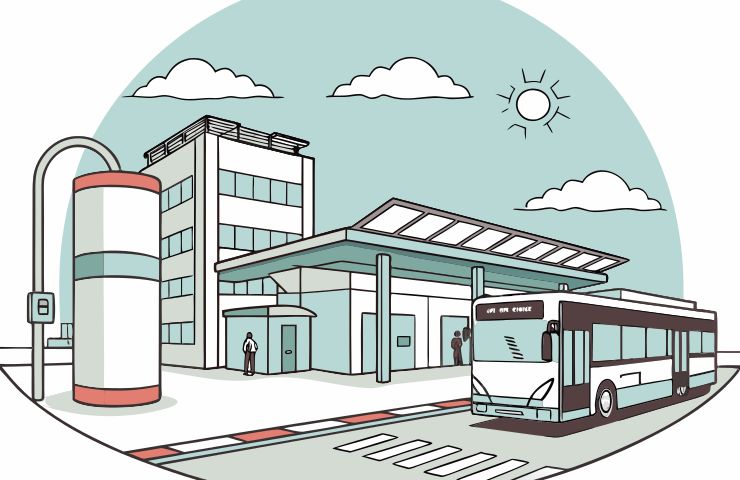
Imagine this: a bustling city where buses roll into a depot for a quick pit stop, refueling with green hydrogen produced just a stone's throw away. Well, that dream is taking shape in Rome! The city is on the fast track to building a robust hydrogen infrastructure at ATAC’s Acilia bus depot, all part of a larger mission to embrace zero-emission technology and sustainable energy. This initiative fuses hydrogen fuel cell news with battery-electric vehicles to create a cleaner public transport system.
In a fantastic partnership, Rome’s local authority has joined forces with ATAC SpA and handed over the design of key equipment, including an electrolyser, to the talented folks at University of Rome La Sapienza. This collaboration between academia and local government is pretty exciting! Roma Capitale and ATAC are pulling together the funding while the brains at La Sapienza will figure out the nitty-gritty—like stack sizing and safety protocols. The plan is to split water into hydrogen and oxygen right on-site, ensuring that if they use renewable electricity, it’s all about that green hydrogen production.
Depot as a Green Hydrogen Hub
So, what’s the big picture here? Instead of relying on trucking in hydrogen or waiting on suppliers, Rome is flipping the script. They’re bringing production, hydrogen storage, and refueling right to ATAC’s Acilia depot. Sources say that the first phase aims to pump out about 560 kilograms of hydrogen each day—enough to keep a fleet of fuel cell buses zooming around without missing a beat.
This move has some real perks. Just like diesel buses, hydrogen buses can be refueled in minutes, but here’s the kicker—they only emit water vapor! By centralizing hydrogen production and infrastructure at the depot, they can sync up bus schedules with fuel availability, making everything run smoother. Plus, they’re looking at installing solar panels on the depot’s rooftops, which means they're not just thinking about green hydrogen, but also about boosting the area’s eco-credentials.
Why On-site Electrolysis Matters
The electrolyser at Acilia will be the heart of this operation. It’ll take renewable electricity and split water into oxygen and hydrogen, representing a key hydrogen production method. This local setup minimizes costs and emissions often incurred from transporting hydrogen over long distances. Plus, high-pressure hydrogen storage methods will ensure that enough fuel is on hand and safe. Buses can refuel at dedicated stations right inside the depot, showcasing how these hydrogen refueling stations can simplify the daily grind for fleet managers.
Fuel Cell Fleet Meets On-site Production
Local buzz suggests that Rome is gearing up to roll out the first batch of 30 hydrogen fuel cell buses from Acilia. While the precise number might still be in the air, this launch signifies more than just talk—it’s a step toward actionable hydrogen fuel cell news rather than mere pilot projects. These buses will tackle longer suburban routes, complementing a battery-electric fleet that’s designed for the hustle of urban inner-city travel. There’s a training program set to get drivers up to speed on hydrogen, and maintenance teams will be adapting to new safety measures for handling high-pressure gas systems.
We all know electric buses shine on predictable urban circuits, but what about those long mixed-service routes? That’s where fuel cell technology really stands out. Quick refueling and longer ranges mean fewer hiccups for routes stretching toward Ostia along the coastline. Rome plans to integrate a mixed fleet where battery-electrics and fuel cell buses play to their respective strengths.
Context and Challenge
This whole green hydrogen initiative is part of a bigger picture in Italy's Recovery and Resilience Plan, which lays out funding for a ton of zero-emission buses and loads of charging stations. Plus, public procurement via Consip is like a cherry on top: it means the hydrogen buses and depot tech can be procured through national tender frameworks, giving cities like Rome a handy way to tap into hydrogen project financing.
However, getting there hasn’t been a breeze. Earlier tenders for fuel cell buses in Rome flopped—no bids at all—highlighting just how immature the market is right now. By partnering with La Sapienza for design services and locking down around €6 million for the Acilia hydrogen facility, local leaders are aiming to sidestep previous pitfalls and anchor this initiative in practical action.
Costs are definitely under the microscope. Some critics argue that producing hydrogen through electrolysis, coupled with the upkeep of compression and storage gear, may be pricier than simply charging batteries. But there’s a flip side: the operational advantages—quick refueling, stable ranges, and an efficient closed-loop supply chain—might just make hydrogen the better choice for specific routes. As Rome lays out its hydrogen hub, everyone involved will be closely monitoring the numbers to see how they play out in real life.
And let’s not forget the environmental stakes! If the electricity powering the electrolyser is renewable, the hydrogen produced is practically zero-carbon. By phasing out diesel buses, this approach could significantly cut local air pollution and greenhouse gas emissions, aligning perfectly with EU ambitions for urban mobility decarbonization. That’s why this development is making waves in clean hydrogen news.
What’s happening in Rome could also serve as a game plan for other European capitals. Cities like Bologna and Ferrara have toyed with the idea of hydrogen buses, but Rome’s strategy of combining production and refueling at a bustling depot is pretty original and could redefine how these systems operate. It’s all about pushing the boundaries of a distributed hydrogen production model right within an existing transport hub, which could lessen the dependency on outside suppliers.
Of course, making all this work seamlessly is where the real challenge lies. The design phase will soon kick off with installation of the electrolysis stacks, compressors, storage tanks, and high-pressure dispensers. Once everything’s up and running, it’ll be vital that the depot works in tandem with bus schedules, safety protocols, and maintenance tasks. It's not just about the technology—it’s also about having skilled staff, solid regulations, and close oversight.
Still, Rome’s ambitions really tell us a lot about the shifting hydrogen landscape. With advancements in hydrogen production methods and scaling up of electrolysers, projects like Acilia might just demonstrate how hydrogen infrastructure can mesh with public transport policy. If they nail this, it could solidify hydrogen as a key player alongside batteries, rather than treating it as an alternative on the sidelines.
So, as we keep an eye on this unfolding story, watch for key milestones: commissioning the electrolyser, those first hydrogen fills, and the debut of fuel cell buses. Rome's Acilia depot is poised to become a trailblazer in the quest for public transport decarbonization, connecting the dots between technology and everyday transit.
For now, Rome has made a bold move. By transforming a suburban bus depot into a hub for green hydrogen production, the city’s banking on a future where sustainable energy and urban mobility go hand in hand. The Acilia project is part of a broader ten-year, roughly €110 million mobility strategy that combines battery-electric and hydrogen buses under Rome’s zero-emission vision. Only time will tell if this gamble pays off, but it’s sure to shape not just the Roman landscape, but the ongoing story of hydrogen news across Europe.