Liebherr Launches Multi-Year Trial of Hydrogen-Powered Wheel Loader in Bremerhaven Port
Liebherr has launched a multi-year field trial for its hydrogen-powered wheel loader, the L 566 H, at Georg Grube GmbH in Bremerhaven, Germany, marking a significant step in the logistics sector's transition to sustainable energy solutions.
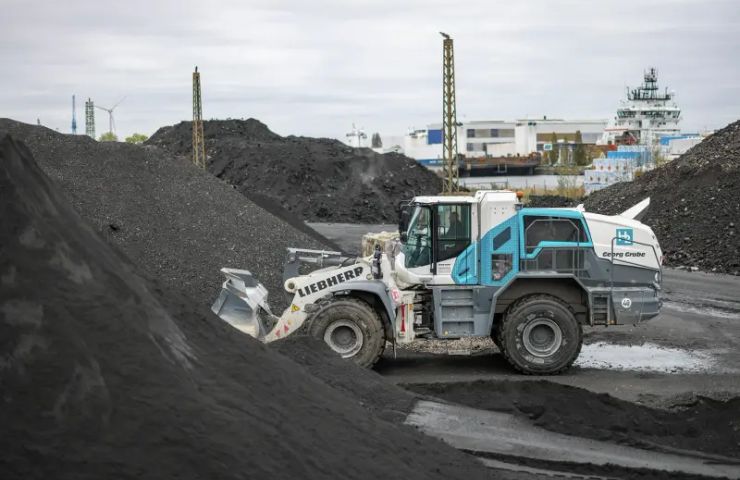
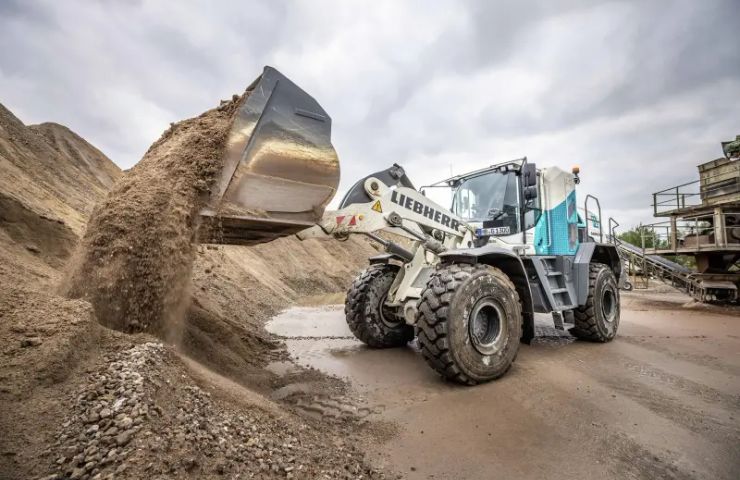
In a significant move towards green logistics, Liebherr has commenced a multi-year field trial with its L 566 H hydrogen-powered large wheel loader at Georg Grube GmbH's operations in the fishing harbour of Bremerhaven, Germany. The trial will run over multiple years and focuses on routine heavy-duty port activities. It tests the machine under the sorts of cycles and loads typical for bulk-material handling: sand, gravel and rock. Port work is relentless and heavy-duty; the trial is designed to see how the L 566 H performs day after day, shift after shift.
The L 566 H prototype employs a hydrogen-fueled internal combustion engine instead of a fuel cell, pushing the envelope of what hydrogen machinery can achieve in demanding environments. This is a deliberate technical choice: it explores an alternative pathway to hydrogen propulsion that differs from the fuel-cell approach more commonly discussed in the sector. The project also ties the machine to a supply chain based on renewable energy—hydrogen produced via wind power—thanks to an electrolyser operated by HY.City.Bremerhaven. In doing so, the trial aligns with ambitions within the H2B:IMPACT initiative and situates the work in the context of the EU Clean Hydrogen Partnership.
Hydrogen Infrastructure in Bremerhaven
This trial rests on Bremerhaven’s evolving hydrogen ecosystem, where the loader is refuelled with sustainably generated hydrogen. A dedicated refuelling station at the Fraunhofer IWES Hydrogen Lab Bremerhaven provides an essential link in that supply chain. By locating refuelling on-site at an established hydrogen lab, the project couples prototype testing with accessible, real-world fuelling infrastructure. That arrangement allows researchers and operators to evaluate not only the machine’s drivetrain and emissions profile, but also the practicalities of refuelling workflows, logistics and turnaround times in an active port environment. Testing in situ rather than in a laboratory means the data will reflect operational reality—from refuelling cadence to the effects of continuous, heavy use.
The Role of the H2B:IMPACT Project
The H2B:IMPACT project forms a larger framework for this kind of demonstration work. It is part of a regional effort to scale up hydrogen production and use in construction and logistics applications. Planned outputs include establishing 25.1 MW of new electrolyser capacity and producing over 3,600 tonnes of renewable hydrogen annually. Those figures sit at the heart of the project’s ambition to create a usable volume of renewable hydrogen for local industry and logistics chains. The Bremerhaven trial will feed operational data back into that effort, helping to show how machines behave when supplied from local electrolyser-based production, and whether those production levels and logistics concepts are sufficient for sustained heavy-equipment use.
Why This Matters
The L 566 H trial is pivotal because it addresses core questions about the viability of hydrogen solutions in a class of machinery long dominated by diesel. Heavy wheel loaders demand high power. They also require rapid refuelling to maintain throughput. Those twin pressures make decarbonisation harder here than in many other transport segments. If a hydrogen-powered loader can match the operational efficiency and availability of a diesel machine while using renewable hydrogen, the environment benefits. So does the business case—potentially. But those outcomes are not assumed; they must be demonstrated under real operational conditions.
Liebherr is measuring more than just fuel consumption and tailpipe emissions. The company is evaluating productivity, maintenance and total cost of ownership compared to conventional machines. These are practical metrics: uptime, service intervals, parts wear, operator acceptance and running costs. Stakeholders — operators, fleet managers and policymakers among them — will look to those measurements when deciding whether hydrogen is a viable pathway for heavy industry. The trial’s data will therefore influence judgement not only on technical feasibility, but on economic and operational viability as well.
Conclusion and Future Implications
The success of this ongoing trial may either bolster the case for hydrogen catalytic technologies in large machines or highlight the operational barriers that must be overcome. Outcomes from Bremerhaven will inform how similar machines are evaluated elsewhere. Given the increasing urgency of industrial decarbonization, the practical lessons learned here can shape choices about where to invest in hydrogen production and where to prioritise infrastructure rollout. In short, the trial will help determine whether hydrogen can be integrated reliably into the fuel mix for logistics and construction operations, and will feed into strategic decisions on hydrogen investments, operational practices, and regulatory policies in the coming years.