Hydrogen News: Tyczka Hydrogen Expands Green Hydrogen Hub in Eastern Hesse
Tyczka Hydrogen acquired a 5 MW RFNBO‐certified green hydrogen hub in Hesse to boost heavy‐duty refuelling capacity, cut emissions and create local jobs.
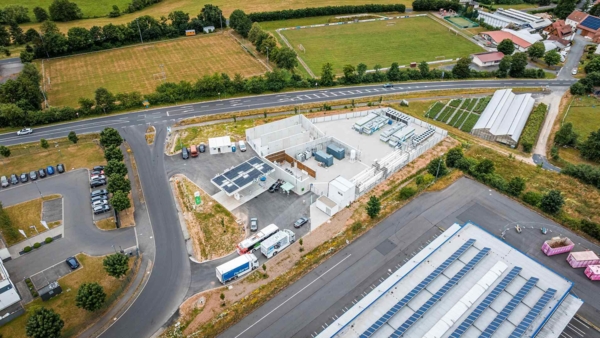
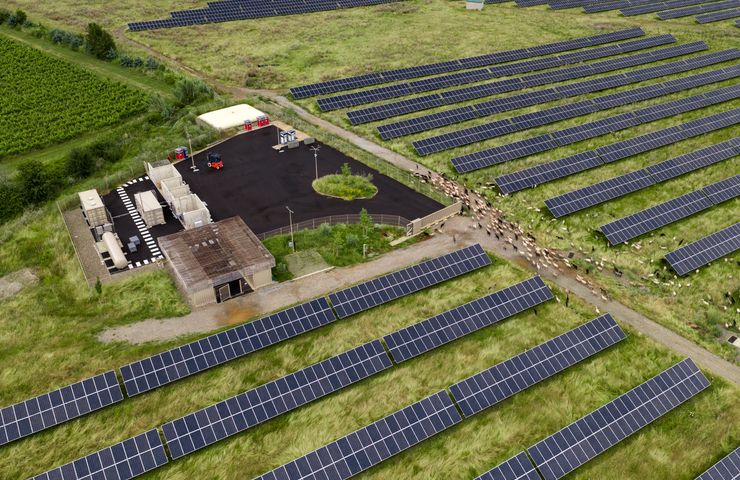
This month, Tyczka Hydrogen GmbH has adquired a operational 5 MW green hydrogen hub in the Hessisches Kegelspiel logistics park in Hünfeld-Michelsrombach, Hesse. This exciting move aligns perfectly with Germany’s drive to decarbonize heavy-duty transport and aims to secure certified green hydrogen for buses and long-haul trucks. Pretty impressive, right?
The Scoop on the Partnership
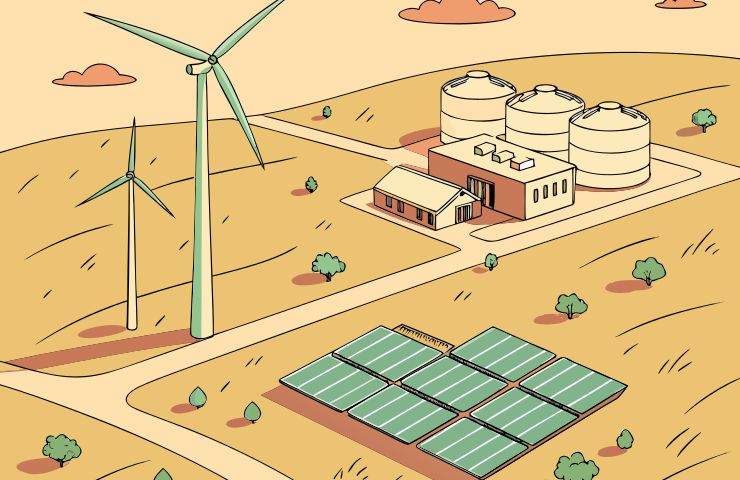
In a strategic partnership with ABO Energy, Tyczka Hydrogen now owns a fully operational production and distribution center. This site cleverly connects a 4.8 MW wind turbine and future solar arrays to a state-of-the-art 5 MW PEM electrolyser system, courtesy of Fest GmbH. So, what’s the game plan? It’s pretty straightforward but brilliant: harness renewable energy to break down water into hydrogen and oxygen, then compress that hydrogen for onsite dispensing or trailer loading. Since it kicked off last summer, this hub has been cranking out RFNBO-certified green hydrogen and is now on track to deliver up to 450 tonnes a year. By taking over this site, Tyczka is boosting its network of refueling stations and trailer logistics, enhancing the resilience of regional supply chains.
How the Technology Works
At the core of this hub sits a nifty PEM electrolysis system. Imagine a solid polymer membrane right in the middle separating two chambers. When electricity flows, water molecules at the anode release oxygen and protons; the membrane has a one-way ticket—only allowing protons to pass through. At the other end, at the cathode, those protons reunite with electrons to create hydrogen gas. This whole process runs on the wind energy generated by that connected 4.8 MW turbine, with even more solar power coming into play soon. This direct connection makes it super flexible, allowing the system to adjust output to match how much renewable energy is being generated. The hydrogen produced gets compressed to 350 bar for heavy-duty vehicles or even higher for tube trailers. What’s cool about this design is that it supports both onsite refueling and trailer-based distribution, which is a game-changer for areas without nearby production facilities. It's a modular and scalable solution that could easily be replicated at other logistics hubs.
Real-World Applications and Benefits
This hub is essentially a regional refueling station catering to buses, trucks, and industrial users, tapping into the growing hydrogen corridors along the A7 motorway in Germany. Fleets can refuel with locally produced green hydrogen using a 350 bar dispensing system, which helps ease range anxiety and reduces downtime. But it doesn’t stop there; trailer filling stations can stretch up to 200 km, reaching remote depots and smaller stations that don’t have their own electrolysers. The advantage is clear: operators gain a reliable source of certified green hydrogen, while Tyczka is fortifying its offtake agreements and bulk logistics. This whole setup of production, storage, and refueling is proudly made in Germany and for Germany’s future, acting as a blueprint for decarbonizing freight transport across central Europe.
The Environmental Impact
With the ability to churn out up to 450 tonnes of RFNBO-certified green hydrogen each year, this hub could replace around 1,000,000 liters of diesel annually, cutting CO₂ emissions by about 3,000 tonnes. That low carbon footprint comes from tapping into wind and solar energy instead of relying on fossil fuels. Through the CertifHy initiative, this facility meets strict EU standards for renewable fuel of non-biological origin. That means every kilogram of hydrogen dispensed is verifiably linked back to a renewable source, promoting transparency and compliance with upcoming transport fuel mandates. This project highlights how leveraging local resources and expertise can help turn logistics parks into zero-emissions energy centers.
Boosting the Local Economy
On top of the environmental benefits, this hub is a boon for the local economy in Osthessen. During construction, over 50 local contractors were involved, taking on roles from civil engineering to electrical installation and mechanical assembly. Now, the site has operational staff managing electrolysers, compression, and station upkeep. Plus, jobs in maintenance and logistics are popping up across Tyczka’s broader network, stretching from Schweinfurt to Augsburg. Suppliers of steel, piping, and control systems are seeing new orders as well, making the regional supply chain even stronger. Local training programs focusing on fuel cell technology and hydrogen safety are growing, ensuring that technicians and engineers are well-equipped for the future. All in all, this project is a fantastic move for the local economy, setting a new standard for community engagement around clean energy infrastructure.
Made in Germany, For Germany’s Future
This initiative really puts a spotlight on German engineering excellence and cross-sector collaboration. Fest GmbH’s PEM modules, assembled in Goslar, alongside ABO Energy’s system integration expertise, have brought a fully functional solution under the Tyczka banner. It’s a prime example of how Germany’s renewables supply chain can innovate rapidly, from turbine blades to electrolyser stacks. By harnessing local resources and expertise, this hub maximizes efficiency and reliability. Plus, it aligns seamlessly with funding from the Federal Ministry for Digital and Transport alongside EU resilience programs—showing what public-private partnerships can achieve. The result? A robust, replicable model for heavy-duty hydrogen refueling facilities across Europe.
Looking to the Future
With this acquisition, Tyczka Hydrogen is fast-tracking plans to establish a network of hydrogen hubs at key transport nodes. Up next is a similar 5 MW plant at the Port of Schweinfurt, backed by grants from the Bavarian Ministry of Economic Affairs. Looking further down the road, the company is scouting additional sites along major freight corridors to close the gaps between hydrogen production and demand. As more fleets switch to fuel cell vehicles and EU regulations tighten around transport emissions, these hubs will play a crucial role. This strategic move places Tyczka right in the middle of Europe’s clean mobility goals, creating a hydrogen backbone that supports industry, logistics, and public transport.
This month’s acquisition underscores how strategic partnerships and effective technology can speed up the transition to clean hydrogen. By bringing together production, storage, and distribution in one logistics hub, Tyczka Hydrogen is laying the groundwork for decarbonizing heavy-duty transport. It’s a shining example of tackling real-world challenges with modular solutions while creating local jobs and slashing emissions. As more hubs launch, Germany stands to build a resilient hydrogen infrastructure that benefits businesses, communities, and the environment—not just today, but for years to come.