Hydrogen Production and Industrial Decarbonization: Reolum’s Integrated Biomass-to-E-Methanol Hub in Miranda de Ebro
Reolum Renovables plans to convert the former Rottneros paper mill in Miranda de Ebro into an integrated renewable energy complex featuring biomass cogeneration, CO₂ capture, green hydrogen electrolysis and e-methanol synthesis. Part of a €2.85 billion regional investment, the project promises about 700 direct jobs, taps EU funding streams, and aims to anchor Castilla y León as a hub for synthetic green fuels in shipping and aviation.
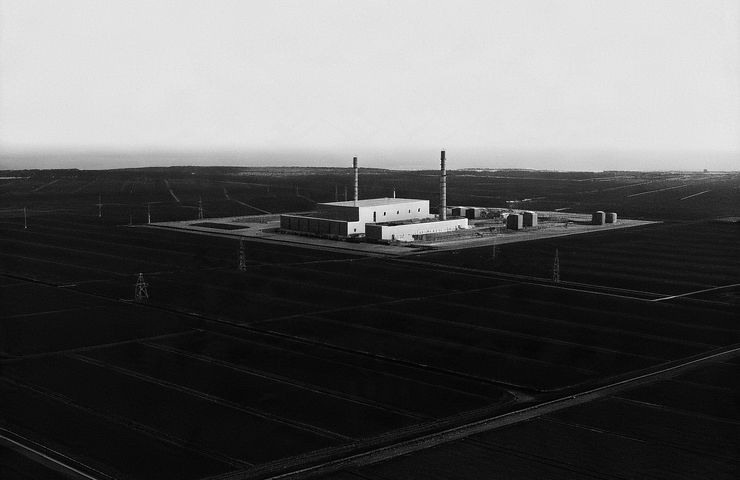
Reolum Renovables has just shared their ambitious vision to turn an old paper mill into a state-of-the-art energy hub. They’re planning an integrated complex that will mix biomass cogeneration, carbon capture, green hydrogen production, and e-methanol synthesis—all part of a massive €2.85 billion investment in Castilla y León. This project is not just a big deal for the environment; it’s set to create around 700 direct jobs and mark a major step in the push for industrial decarbonization.
Policy Alignment and EU Support
Spain's updated National Integrated Energy and Climate Plan is pretty ambitious, targeting 12 GW of renewable electrolysis by 2030. Plus, they’ve got a hydrogen roadmap that aims to blend up to 20% hydrogen in existing gas networks. Reolum is well-positioned to snag €180 million from the H2 Valles initiative, and they may also benefit from co-funding through Important Projects of Common European Interest (IPCEI). On top of that, tax incentives for hydrogen storage and excise relief for e-methanol used in marine applications help make the numbers work. Local authorities in Castilla y León are already speeding up dialogues on environmental impacts—showing strong political support for clean hydrogen news at both local and EU levels.
Integrated Renewables on a Brownfield
This exciting project will take root where the Rottneros paper mill currently sits, with negotiations underway for Reolum to acquire the property. The Ayuntamiento de Miranda de Ebro and local agency Miranda Empresas have teamed up to strengthen the grid and upgrade rail links for easy logistics. Local leaders are calling this investment “historic,” as it transforms an old industrial site into a cutting-edge hydrogen infrastructure hub, alongside new synthetic fuel production.
Technical Architecture
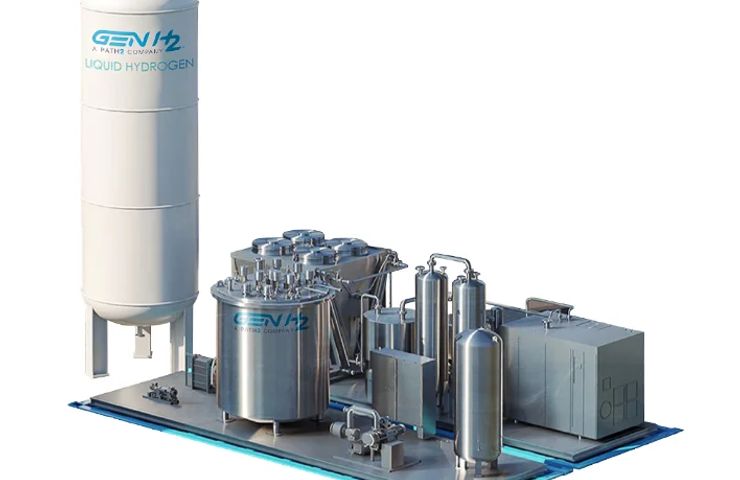
So, what’s the plan behind all this? Reolum is integrating four key processes:
They’re making sure the water used in electrolysis is top-quality with a multi-step purification process to protect membranes. Even the heat recovered from the steam extraction and solvent regeneration will be used to maximize energy efficiency. Overall, this design boosts efficiency to over 80%, building on lessons learned from La Robla Green and Villadangos Green, where Reolum fine-tuned their modular processes.
Comparative Footprint
La Robla Green aims for an impressive output of 100,000–140,000 tons per year of e-methanol, while Villadangos is targeting around 140,000 tons annually. When you combine these inland facilities, you've got the potential to produce over 250,000 tons of synthetic fuel away from traditional coastal terminals. The exact capacities for Miranda will hinge on space and grid limitations, but it’s expected to scale similarly. With rail connections and dedicated pipelines linking to ports, these hubs could seriously challenge the coastal petrochemical industry.
Investment, Financing, and Offtake
This new facility joins a regional lineup that’s already attracted nearly €450 million in loans from the European Investment Bank for La Robla Green. For Miranda, Reolum is crafting a mix of equity, grant funding, and long-term debt, while also chatting with national decarbonization funds. The company is negotiating power purchase agreements with renewable energy generators to ensure a steady electricity supply for their electrolyzers. They’re also in talks with shipping and aviation partners to secure demand for e-methanol. The success of these projects relies heavily on stable policies, carbon pricing, and guarantees of origin to keep green hydrogen production cost-effective.
Financial forecasts for similar projects expect payback in the mid-to-high single digits, depending on electricity prices and fuel contract specifics. Reolum anticipates similar financial metrics for Miranda once final investment decisions are made.
Skills, Supply Chain, and Local Impact
To pull off this ambitious project, there’s going to be a big need for skilled workers—think boiler technicians, electrochemical engineers, safety specialists, and process operators. Reolum has started discussing partnerships with the University of Burgos and regional technical institutes to develop training programs in electrolyzer technology, catalysis, and carbon capture engineering. Apprenticeships could kick off during the construction phase, helping to cultivate local talent. At the same time, equipment vendors and service providers see Burgos as a great location to set up maintenance hubs, creating a supportive ecosystem for small and medium-sized enterprises in areas like fabrication, logistics, and technical services.
Municipal Collaboration
The local government has already rolled out rooftop PV systems on public buildings and upgraded its wastewater treatment plant with cogeneration, boosting local capabilities in renewable tech. City planners are even considering hydrogen fuel cells for emergency power in schools and health centers, and local fleets might adopt green hydrogen as the refueling infrastructure matures. This integration of hydrogen technology into smart city initiatives aims to maximize community benefits.
Environmental and Permitting Considerations
When it comes to environmental impact, Reolum's assessments at other sites have raised eyebrows about cumulative effects on ecosystems, water use, and emissions. For Miranda, they’ll need to evaluate the logistics of transporting biomass, the steam emissions from solvents, water sourcing from the Ebro River, ash disposal, and noise from turbines. To address these concerns, they’ll implement ongoing monitoring of NOx, CO, and VOC emissions, best practices for solvent regeneration to reduce degradation, and strict safety measures for high-pressure hydrogen systems. NGOs are pushing for transparent public consultations to ensure local air and water quality are safeguarded.
Long-Term Outlook and Scalability
Miranda de Ebro is poised to test how effective integrated renewable energy and synthetic fuel hubs can be on brownfield sites. Upcoming pipelines linking Miranda, León, and Villadangos could create a small network within the Valle Leonés del Hidrógeno Verde, allowing hydrogen producers to share resources. With future export routes to the Basque ports of Bilbao and Santander, the region hopes to provide green marine bunkers and supply chemical refineries. This inland-to-coast model could serve as a blueprint for zero-emission technology centers across Europe.
Closing Insight: By blending biomass residues with electrolysis and circular carbon processes, the Miranda hub could show how mid-sized cities can transition from traditional industries to hydrogen-focused economies. If successful, it may influence policy, drive investment, and enhance community involvement in future green hydrogen and clean ammonia initiatives.
About Reolum Renovables: Founded in Madrid around 2020–2021, Reolum focuses on developing integrated projects in renewable energy and synthetic fuels that combine biomass cogeneration, CO₂ capture, green hydrogen, and e-methanol for industrial decarbonization.