Hydrogen Production Assessment Underway for Lewis County Forest Residuals Project
Lewis County Hydrogen Alliance begins Phase 1 assessment to study converting forest residuals into hydrogen, carbon capture and dispatchable power with $400,000 grant support.
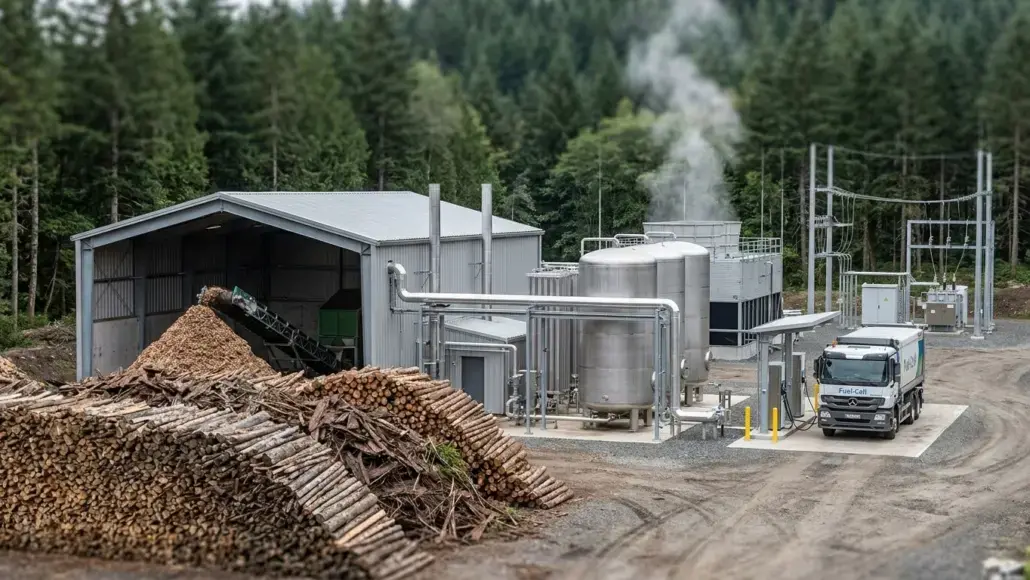
Lewis County Hydrogen Alliance (LCH2) has kicked off an exciting Phase 1 assessment to dive into a local hydrogen production project that aims to use forest residuals as feedstock. Based out of Chehalis and supported by a generous $400,000 grant from the Centralia Coal Transition Grants Energy Technology Board, this alliance is keen on figuring out how to turn underused woody material into fuel-grade hydrogen, carbon dioxide capture, and even some clean power. Now, don’t get too ahead of yourselves — this early phase is all about doing the groundwork, not building a full-blown operating plant yet.
Technical Pathways and Process
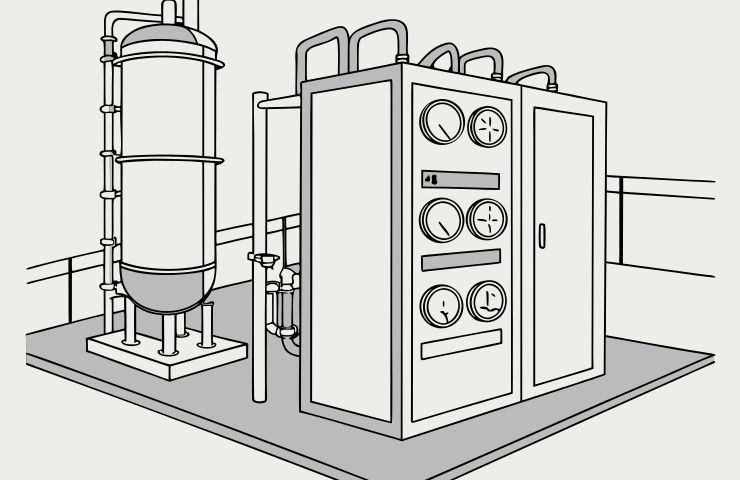
So, what's the secret sauce here? The project revolves around a nifty biomass gasification process. This involves taking in forest leftovers — think branches, bark, sawdust, and other low-grade materials — and tossing them into a low-oxygen reactor. With the right mix of heat and steam, a thermochemical conversion kicks off, resulting in a synthesis gas (or syngas) made up of hydrogen, carbon monoxide, carbon dioxide, and a few minor hydrocarbons. Once they've got that, the hydrogen concentration is ramped up through a water-gas shift reaction, and then it's all about cleaning things up with pressure swing adsorption or membrane separation to achieve that fuel-grade purity. Oh, and they’ve got a carbon capture component too, ensuring that CO₂ gets isolated for possible reuse or sequestration. Ultimately, that hydrogen could power fuel cells or turbines to generate reliable electricity.
Partnerships and Project Structure
Leading the charge, the Lewis County Hydrogen Alliance acts as the nonprofit sponsor and the grant recipient for this assessment phase. Ways2H adds their expertise in modular thermochemical reactors, which are designed to handle varying biomass inputs while keeping tar formation in check. Meanwhile, The Devonshire Group will be looking into local logging operations, securing agreements for those valuable forest residuals, and making sure that everything complies with local and state requirements. And don’t forget HydrogenXT; they’re stepping in with their background in hydrogen infrastructure to develop strategies for selling this hydrogen to heavy-duty fleets, industrial heat users, and those tech-savvy data centers that need a dependable low-carbon power source.
Regional Context and Policy Linkages
Now, let’s talk about the local scene. Lewis County’s rural economy really relies on forestry and timber processing. This leaves a lot of residual biomass just sitting there, often going to waste or being burned. The region's also got a background in transitioning from coal, including plans for hydrogen fueling stations for public transit fleets. This project stands to benefit from the Western Washington Bioeconomy Development Opportunity Zone designation, which is all about sparking clean energy manufacturing in rural areas. All these efforts are funded through the Centralia Coal Transition Grants Energy Technology Board, aiming to switch up those old coal-era funds into sustainable energy projects, making the economic redevelopment in line with environmental goals.
Environmental and Economic Considerations
By giving new life to forest residuals, this project could help cut down methane emissions from decomposing biomass and tackle pollution from open burning. Plus, capturing that CO₂ during gasification could significantly lower the carbon intensity of the hydrogen and power generated. Advocates strongly believe that coupling hydrogen, carbon capture, and reliable electricity could really stack up revenue. However, some environmental critics are warning that supply chains for biomass could lead to unintended logging practices, and the real impact on lifecycle emissions really hinges on how well they capture CO₂, the energy it takes to clean up the gas, and the distances involved for transport. On the money side of things, the project’s success will depend heavily on balancing capital intensity, feedstock handling costs, and securing solid offtake agreements.
Funding Landscape and Commercial Outlook
The initial $400,000 Phase 1 award is there to support the feasibility study, but let’s be real — it’s not going to cover the nitty-gritty engineering and construction. LCH2 has flagged a total funding requirement of about $3.9 million for the next stages, which includes pilot demonstrations. Future funding rounds might tap into state clean energy grants, federal programs, or even private investment. HydrogenXT will also be working on revenue projections from hydrogen sales, power generation, and maybe even some carbon credits. The early buzz indicates interest from public transit agencies and industrial users searching for zero-emission alternatives to diesel or grid power.
Key Technical and Regulatory Risks
But let’s not ignore the hurdles these gasification-based hydrogen systems face. Tar formation is a real headache since it can block equipment, and the syngas cleanup needs robust filtration — so that’s a process in itself. Plus, dealing with permitting for air emissions, water discharge, and solids handling can stretch timelines and increase costs. Carbon capture introduces more complexity and energy demands, which can hit net efficiency hard. On top of that, financing such a capital-intensive facility can be tough without solid offtake agreements. And as regulatory definitions of “clean hydrogen” shift, it could impact eligibility for incentives and affect the project’s bottom line.
Next Steps and Verification
Looking ahead, the Phase 1 study is set to deliver a comprehensive feasibility report detailing site suitability, cost estimates, permitting strategies, and market analysis. If the results justify moving forward, LCH2 plans to plunge into Phase 2, which involves engineering designs, procuring equipment, and getting a pilot up and running. Throughout this, they aim to engage with stakeholders — including tribal consultations and community discussions — to tackle land use and environmental justice issues. It will be crucial to verify assumptions around feedstock availability, process yields, and carbon capture efficacy to see if this concept can really scale up for a commercial demonstration.
Even with all the uncertainties, this methodical, multi-partner approach represents a concerted effort to bridge the chasm between the hype around hydrogen and its real-world application. By honing in on underutilized local biomass and fostering public-private cooperation, the Lewis County project could serve as a model for other forested areas looking to weave green hydrogen production into their clean energy strategies. While a successful Phase 1 doesn’t guarantee construction, it will shed light on whether a biomass-to-hydrogen plant can navigate the technical, regulatory, and financial challenges in rural Washington.