Hydrogen Production Takes Center Stage in Malaysia’s New Industrial Decarbonisation Alliance
Linde Malaysia, Monash University Malaysia and MIDA have launched a collaboration in Selangor focusing on green hydrogen production, electrolysis, CCUS and alternative fuels under Malaysia’s energy transition roadmap to bridge technology, policy and investment for industrial decarbonisation.
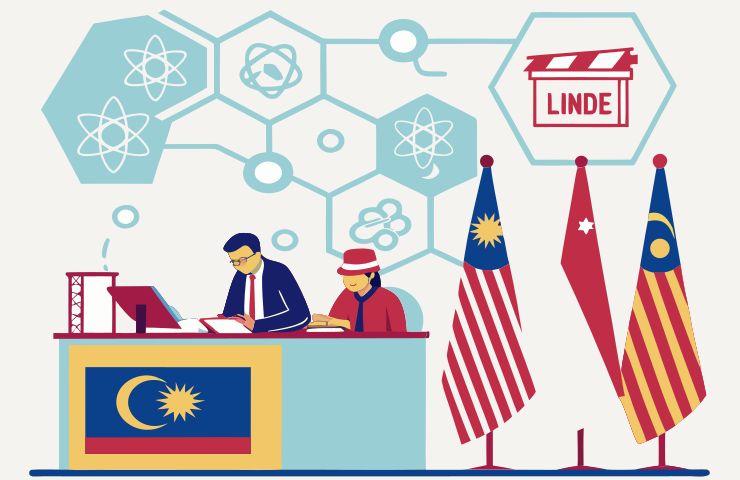
Decarbonising the industrial scene in Malaysia isn’t just a futuristic dream anymore; it’s happening right now in the vibrant manufacturing hub of Selangor. This month, industry leaders from various sectors came together to kick off an exciting new partnership, setting the stage for some serious action on climate targets. By combining modern technology like electrolysis-based hydrogen generation with reliable carbon capture solutions, this clean hydrogen news marks a big shift towards practical strategies for low-carbon solutions in some of the toughest industries to decarbonise.
Key Collaboration Unveiled
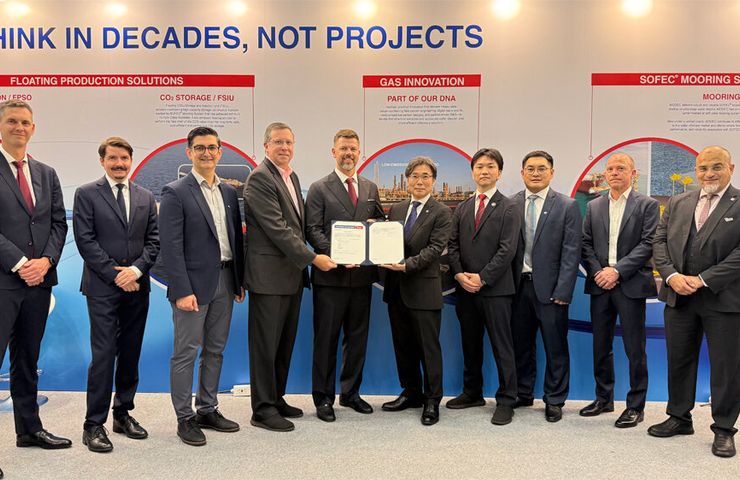
At a bustling conference in Selangor, Linde Malaysia, Monash University Malaysia, and the Malaysian Investment Development Authority (MIDA) rolled out the Linde-Monash University Sustainability Conference 2026. They also signed a Memorandum of Understanding that’ll bolster research, knowledge sharing, and talent development in areas like hydrogen production and industrial decarbonisation tools. The event was marked by a special appearance from a high-ranking official from the Ministry of Energy Transition and Water Transformation (PETRA), highlighting the level of governmental support behind this initiative.
Technical Focus: Hydrogen and CCUS
This new alliance zeroes in on several promising low-carbon pathways. Central to this initiative are electrolysers, which help produce local green hydrogen by using renewable electricity to split water into hydrogen and oxygen, and do so with minimal emissions. The team will assess what’s needed to support hydrogen infrastructure—think compression, storage, and transport—so that hydrogen can be integrated into process heat and feedstock applications effectively. Meanwhile, they’ll also explore carbon capture, utilisation and storage (CCUS) solutions. These technologies can capture CO₂ from major sources like cement and steel production, either recycling it for industrial use or storing it safely underground. Additional strategies like biomethane and biomass LNG are also on the table to cut down on fossil fuel reliance.
Bridging Policy and Deployment
MIDA isn't just about organizing events; they're proactively shaping the future of this initiative. Under the National Energy Transition Roadmap (NETR), they’re laying down fiscal incentives—like tax breaks and grants—to help lessen the risks on early-stage projects. They're also making it easier to approve both foreign and local investments, speeding up funding for electrolysis units and CCUS facilities. By clarifying hydrogen production methods and outlining clear carbon management pathways, MIDA aims to boost investor confidence so ideas can transition into real-life applications.
Academic and Skills Dimension
Monash University Malaysia is stepping up by bringing its sustainability research and talent development to the table, playing a key role through their Net Zero Initiative and dedicated energy transition center. They’re setting up joint labs and graduate programs to test these new technologies in real-world scenarios while also providing technical workshops to equip engineers, chemists, and policy analysts with crucial skills. This focus on training ensures there’s a local workforce ready for operations, maintenance, and further innovations, which is a huge factor for the ambitious plans to roll out solutions across Malaysia’s industrial zones.
Strategic Implications and Market Context
This partnership is a handy transition from lofty ambitions to real, actionable plans. For industries involved, this collaboration showcases the growing financial viability of low-carbon feedstocks and the chance to stand out in the market with products that have lower carbon footprints. By taking the lead, early adopters could set the standard for the safety, quality, and interoperability of green hydrogen and captured CO₂, shaping the future of trade and investment across borders.
Beyond the Conference Room
While the MoU lays out some shared objectives, detailed project plans will unfold through steering committees. Key outcomes to look for include finalizing sites for pilot projects like electrolysers, establishing CCUS test facilities in manufacturing sites, and figuring out how to effectively allocate public and private funding. We’ll also keep an eye on how smoothly regulatory approvals go and how guidelines for pipeline permits, storage licenses, and safety protocols develop.
Early Project Roadmap
Under the MoU, the stakeholders are gearing up to form joint steering committees to pinpoint specific pilot projects, such as a containerized electrolyser unit in an industrial park and a CCUS demonstration at a cement plant. Funding options are being explored, including government grants, green bonds, and structured offtake contracts. These initial projects will be crucial in testing system integration, fine-tuning operating procedures, and gathering the data necessary to encourage larger investments across Malaysia’s industrial sectors.
Comparisons with Regional Initiatives
Malaysia’s bold approach reminds us of the hydrogen hubs popping up in nearby countries, where collaborative efforts among industries, research bodies, and governments are paving the way for massive projects. What makes this partnership stand out is its commitment to seamlessly aligning policy frameworks with investment strategies and academic validation—all of which could make scaling up commercial initiatives more efficient compared to the more scattered collaborations seen elsewhere.
Challenges and Considerations
Scaling up green hydrogen production and CCUS isn't without its hurdles. It will require solid renewable energy infrastructure, mature supply chains, and long-term CO₂ management strategies in place. The high costs associated with electrolysers and capture technology are significant challenges, not to mention the need for specialized materials and skilled workforce. Plus, conducting thorough lifecycle analyses and monitoring is essential to ensuring these low-carbon solutions lead to meaningful emission reductions, rather than just theoretical benefits.
Looking Ahead
This partnership sets the stage for Malaysia’s industrial decarbonisation journey. If they can turn the commitments in the MoU into real assets, secure financing, and hand down clear regulations, there's a great chance this alliance will spark a flourishing green technology ecosystem. Not only could this attract new investments, but it might also help position Malaysia as a frontrunner in low-carbon industrial solutions in the region.