Hydrogen vehicles: India ramps up green hydrogen infrastructure for buses and trucks
India has expanded its green hydrogen transport pilots from 37 to 70 vehicles and nine to 16 refuelling stations across multiple highway corridors, targeting 45–50 trial vehicles by 2026 and 400–500 in operation by 2030. Data from fuel-cell and hydrogen combustion trials will inform policies, infrastructure investments and industrial growth for a potential heavy transport fuel shift.
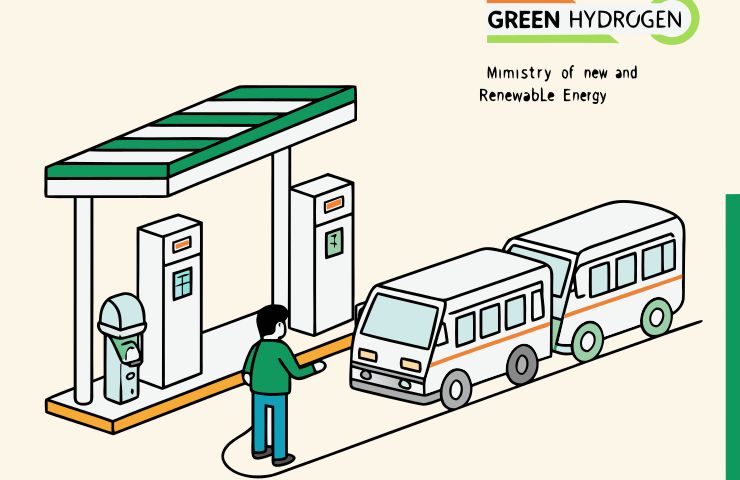
India’s Ministry of New and Renewable Energy is jumping into the next phase of pilot projects under the National Green Hydrogen Mission. They're putting hydrogen-powered buses and heavy trucks on designated highway corridors to the test. With fresh funding and solid technical guidelines in place, trials for hydrogen vehicles are set to accelerate. This effort is backed by some big names in the industry, and the ministry has laid out some comprehensive transport pilot guidelines early in 2024 to make sure everything runs smoothly.
Next-phase trials hit the road
In the first phase, they rolled out five pilot projects that deployed 37 vehicles along nine refuelling stations across ten routes. This included a variety of 15 fuel-cell electric vehicles and 22 hydrogen internal-combustion engine vehicles, all monitored for reliability, fuel usage, range, and refueling performance under real-world conditions.
Then came a significant expansion: they awarded 12 projects that will cover 70 vehicles—27 buses and 43 trucks—with 16 stations spread over 21 routes. The Automotive Research Association of India has set a 24-month trial window and defined operational testing requirements, ensuring every project delivers reliable data on how the technology measures up in real-world settings.
Abhay Bakre, the Mission Director of NGHM, has set the bar high, aiming for 45–50 vehicles to start trials by the end of 2026. He's got his sights set on having 400–500 hydrogen buses and trucks on Indian roads by 2030. These numbers represent ambitious goals rather than current figures.
Why hydrogen matters
We all know batteries are great, but when it comes to heavy-duty transport, they can weigh things down and require lengthy charging stops. That's where hydrogen shines, offering high energy density while keeping it light. This means longer ranges, quick turnarounds, and a better payload.
Plus, green hydrogen—produced by splitting water with renewable electricity—can help cut down on fossil fuel imports. The only downside is that its climate benefits really depend on how clean the electricity is and how the entire hydrogen production chain is managed. On the backend, we need to ensure safety, storage, and handling meet strict standards to keep costs reasonable.
- Rapid refueling: just like topping off at a diesel pump.
- Lightweight fuel: helps sustain full cargo loads.
- Modular stations: they can start small and grow as needed.
That said, building a safe and affordable hydrogen infrastructure at scale is a serious challenge. Each station needs compressors, storage tanks, leak detection, safety systems, and trained operators to keep things running smoothly.
Fuel-cell vs internal-combustion
Fuel-cell electric vehicles (FCEVs) work by combining hydrogen and oxygen in a fuel-cell stack to produce electricity, emitting only water and heat in the process. They utilize an electric drivetrain with a small battery to provide extra power during peak usage.
On the flip side, hydrogen internal-combustion engine (H2-ICE) vehicles modify traditional engines to run on hydrogen instead of diesel. While they remove carbon from the fuel equation, there's a chance they might emit nitrogen oxides at high temperatures. Both paths have their own benefits and learning opportunities, with FCEVs having improved efficiency while H2-ICE leverages familiar manufacturing processes.
The pilots will provide insight into:
- Vehicle uptime and reliability.
- Refueling times and wait times at stations.
- Maintenance needs and parts availability.
- Operating costs per kilometer.
Budget and partners
The transport pilot project is backed by a hefty ₹496 crore allocation through FY2025–26, which is part of the bigger ₹19,744 crore mission budget that runs through to FY2029–30. This program brings together the Ministry of Road Transport and Highways, the Automotive Research Association of India, and state transport agencies to coordinate efforts.
Leading manufacturers like Tata Motors and Ashok Leyland are contributing buses and trucks, while energy giants like IndianOil and Reliance Industries are building and operating the refueling stations. This public-private partnership aims to strengthen local manufacturing, develop a skilled workforce, and build a solid hydrogen value chain.
Testing the full ecosystem
These pilots go beyond just testing vehicles. They’re mapping out hydrogen infrastructure that connects production, storage, and dispensing all along designated corridors. Routes across Delhi-NCR, Gujarat, Maharashtra, Kerala, and other states have been selected based on strategic traffic volumes and access to renewable power.
Every trial will evaluate:
- The logistics of hydrogen supply (tube trailers or local electrolysis).
- Station usage and downtime.
- Safety incidents and how emergency situations are handled.
- The economic viability based on varying levels of traffic.
The bigger picture
India kicked off its first comprehensive hydrogen policy during a national address, launching the National Green Hydrogen Mission in 2023. This initiative focuses on incentives for production, research, standards, and creating demand. Early pilot projects—ranging from hydrogen-enriched CNG trials to fuel-cell bus demonstrations—laid the groundwork for road transport trials by establishing feasibility and safety principles.
The official transport guidelines released in 2024 set the standard for corridor criteria, safety norms, and performance targets. These specifics cover the technical requirements for stations, eligible vehicle categories, and the minimum kilometers each vehicle must cover before evaluations, ensuring transparent procurement and stable data collection across regions. Moreover, these guidelines clarify coordination mechanisms with state transport authorities and highway regulators to keep operations flowing smoothly across multi-state routes.
Economic impact and jobs
This pilot program is likely to stoke demand for key components in the hydrogen ecosystem: electrolysers, compressors, storage tanks, and fuel-cell stacks. Manufacturing these locally can spur the creation of new industrial hubs, boost specialized training in high-pressure gas handling, and open up career paths in the clean-energy sector.
The growing domestic market for green hydrogen could help reduce oil import costs and attract international investment. If the corridors prove successful, we might see private offtake agreements and concessional financing options pop up, paving the way for more extensive infrastructure investments and lower capital costs. Industry groups are already looking into local assembly lines for electrolysers and storage tanks, aiming to drive down component prices through scale.
Environmental considerations
Hydrogen fuel-cell buses and trucks only emit water vapor, cutting down on harmful particulate matter and carbon dioxide in busy areas. But to see genuine carbon savings, we need to ensure that renewable electricity backs up the green hydrogen production and that we minimize distribution losses. The pilots will keep tabs on water use and lifecycle emissions to confirm the total climate benefits.
Hydrogen internal-combustion engines eliminate carbon in their fuel source, but they need advanced calibration to slay nitrogen oxides. Testing in hot, humid, and high-altitude settings will help nail down emission standards prior to broader commercialization.
Policy and regulation
What we learn from these pilots will help shape future regulations regarding hydrogen blending limits, station permits, and fuel quality standards. Coordinated efforts by the MNRE, MoRTH, ARAI, and state agencies are vital to streamline approvals, establish uniform safety protocols, and ensure efficient corridor licensing processes.
Once the data confirms reliability and cost-effectiveness, we might see incentives like lower taxes, concessional loans, or demand-side subsidies emerge for hydrogen fleets. A stable policy environment will reduce investment risks and help Indian manufacturers compete internationally.
Final shot: the road ahead
This isn’t just a tech showcase—it’s a crucial test for hydrogen’s role in heavy transport. Can green hydrogen corridors become a cost-effective substitute for diesel and battery systems on long-haul routes? The answer will shape India’s energy sovereignty, manufacturing growth, and urban air quality for years to come.
Buckle up: the upcoming years will be telling if hydrogen can really pave the way to a cleaner, homegrown transport future. If these pilots prove their worth in terms of performance, safety, and cost, hydrogen could steer India’s buses and trucks towards a low-carbon future!