Hydrogen Storage and Fuel Cells Power Cruise Ships in Port
H2MASS is piloting an onboard metalhydride hydrogen storage and fuel cell system to deliver 4 MW of zero-emission hotel-load power on cruise ships, offering an alternative to shore power.
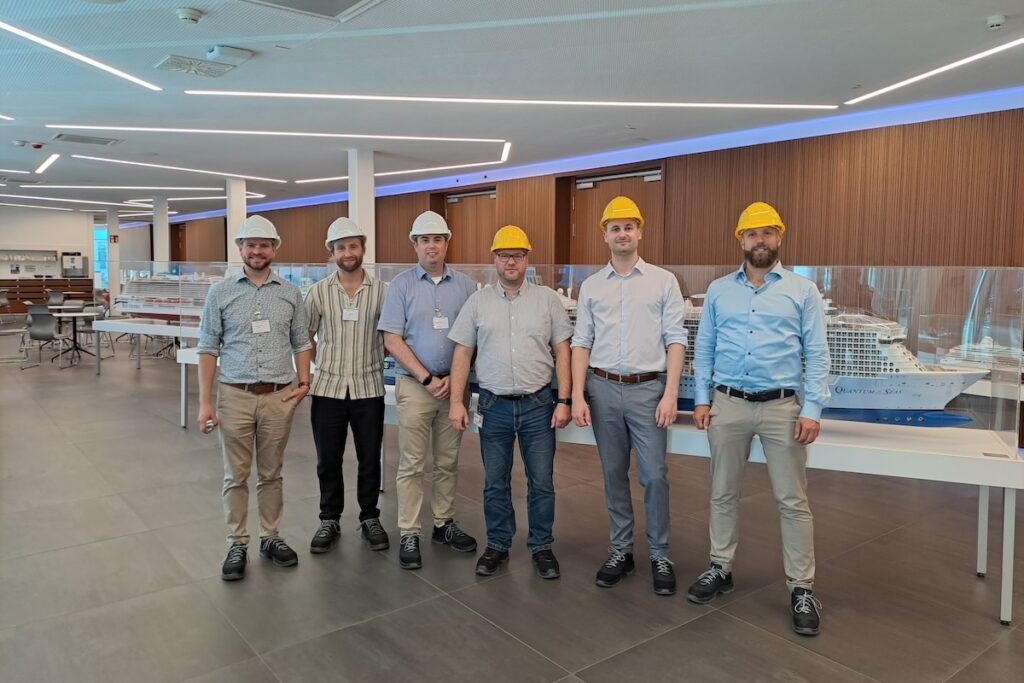
Imagine a world where cruise ships smoothly glide into harbor, running entirely on hydrogen while they’re docked. No more messy, costly high-voltage shore connections. Sounds pretty neat, right? That's the idea behind a new German project called H2MASS. They’re blending advanced metalhydride hydrogen storage with marine-grade hydrogen fuel cells to create up to 4 MW of zero-emission power for ships at port. It’s a fresh take on traditional shore power systems.
Now, let’s get real for a second. The air quality in European cruise ports has taken quite a hit over the years, thanks to the NOx, SOx, and particulate emissions from diesel generators on board. While there’s been a push to invest in shore power, only a select few large passenger ships can actually connect to high-voltage infrastructure without needing some pricey upgrades. With new EU FuelEU Maritime regulations coming down the line—mandating zero-emission tech or shore power in several ports—the urgency for alternatives like shipboard systems couldn’t be clearer.
Uniting Forces for Innovation
Leading the charge is Helmholtz-Zentrum Hereon, which is known for its top-notch materials and coastal environmental research. They’re developing a scalable metalhydride storage module that doesn’t just store hydrogen as a super-pressurized gas but rather binds hydrogen atoms into metal alloys. This approach boosts density and helps with safety—definitely a win-win!
Meanwhile, Meyer Werft, one of Europe’s cruise ship heavyweights, is steering the four-year project. Their naval architects are drawing on previous research into fuel-cell hotel-load systems to design how these new hydride tanks and fuel cells can fit seamlessly into existing ship layouts while meeting safety regulations set by EMSA and class societies.
And on the academic side, Helmut-Schmidt-Universität is on the ball, creating a digital twin of the whole onboard energy system. This nifty tool simulates everything from hydrogen absorption to power demand changes, allowing for optimal tank arrangements and cooling strategies—all before any steel starts getting cut!
The Science of Metalhydride Storage
So, how does metalhydride storage actually work? Essentially, it relies on alloys—often in powder or granular forms—that hook onto hydrogen atoms when subjected to certain temperatures and pressures. When the ship docks, hydrogen is loaded and absorbed into the metal, all while freeing up deck space compared to those bulky high-pressure cylinders. To release that hydrogen, mild heating is applied, making it easy to flow into fuel cells. It’s a compact storage solution that alleviates peak demands and reduces the risk of sudden release.
Fuel Cells Providing Clean Power
While docked, cruise ships require an amount of electricity roughly equivalent to that of a small town—think lighting, kitchens, HVAC systems, and so much more. In the H2MASS initiative, the metalhydride storage provides hydrogen to marine fuel cells, likely of the PEM variety, which generate energy with only water vapor as a byproduct. Paired up with power electronics, these fuel cells can align with shipboard grids at 6.6–11 kV and could work alongside batteries to manage sudden spikes in energy demand.
Design and Safety Challenges
Even with lower operating pressures, it’s crucial to treat hydrogen with care. You’ve got to think about ventilation, leak detection, secondary containment, and make sure everything aligns with EMSA and DNV guidelines in terms of tank layout. Meyer Werft’s team is also keeping a keen eye on weight distribution, fire zones, and escape routes. They want to ensure the new system meshes well with existing safety protocols—all without taking away from lifeboat drills.
Optimizing Operations and Bunkering
In this collaboration, Carnival Maritime, which manages AIDA Cruises, acts as a key partner, helping shape practical procedures. From figuring out how to manage hydrogen bunkering to training crew members on emergency drills, they’re making sure the theory translates well into real-world operations. Having already invested in green shore power at German ports, AIDA sees this shipboard hydrogen system as a great supplement—especially when traditional shore power isn’t available.
A Hybrid Approach: Beyond Shore Power
Ports like Hamburg, Kiel, and Rostock-Warnemünde have rolled out shore power for cruise ships, but extending high-capacity connections to every berth can be a hefty investment. With onboard hydrogen systems, shipowners might find a way to ease some of that financial burden: pull grid electricity where it’s available and safe, but switch to hydrogen fuel cells when the grid is limited or stretched thin.
Industry Impact and Regulations
Installing shore power upgrades often requires laying down extensive high-voltage cables and transformers, which can cost millions. On the flip side, hydrogen infrastructure—which includes electrolyzers, storage solutions, and bunkering—spreads some of that capital burden onto the vessels and port suppliers. Currently, hydrogen-based electricity can come in at two to three times the price of traditional shore power. However, policy changes and increasing grid struggles might shift that balance in the future.
Interestingly, regulators have left a carve-out for ships that utilize zero-emission technology like hydrogen fuel cells from mandatory shore power use, thanks to new rules in FuelEU Maritime. This creates a significant opportunity for H2MASS-style systems, potentially speeding up approvals and encouraging ports to stock hydrogen instead of laying new grid lines.
Improving Local Air Quality
Transitioning from diesel generators to hydrogen fuel cells means cutting down on local emissions—NOx, SOx, particulate matter, and CO₂ levels can all drop dramatically when ships run on clean hydrogen. Initial studies show that shore power could slash CO₂ emissions by more than half and nearly eliminate NOx emissions. Using onboard hydrogen for the same purpose might yield similar local benefits, assuming the hydrogen comes from renewable sources. This shift could really improve air quality in port cities and reduce health risks for communities living near the docks.
Boosting Support through Policy and Incentives
With EU regulations granting ships using qualifying zero-emission tech like hydrogen fuel cells exemptions from mandatory shore power, shipowners have a real nudge to explore onboard options. Meanwhile, national funding through Projektträger Jülich is rolling out multi-year grants for maritime hydrogen projects, reinforcing Germany’s ambition to lead in climate-neutral shipping.
Driving Confidence with Digital Twins
The digital twin created by Helmut-Schmidt-Universität mimics the metalhydride's absorption and desorption cycles in real time. By feeding back operational data like temperature and pressure, engineers can refine cooling circuits, optimize tank insulation, and even predict material fatigue. This digital tool shortens development timelines while enhancing safety analyses by stress-testing for leaks and thermal runaway risks in various harbour conditions.
Aligning with Green Hydrogen Production
While H2MASS is focused on onboard storage and conversion, it fits perfectly into Germany’s overall push for green hydrogen production. Ports are being earmarked for future hydrogen hubs, potentially connecting offshore wind farms to bunkering stations. In this larger scenario, ships equipped with hydride tanks might be able to use locally produced green hydrogen to dramatically cut lifecycle emissions and navigate new shipping routes that bypass grid limitations.
A Blueprint for Tomorrow's Fleets
By the end of this project, the H2MASS team aims to deliver a well-rounded design package, valuable performance data, and a solid risk mitigation strategy. Shipyards beyond Meyer Werft could adapt their modular storage blocks and fuel-cell integration techniques for their own ships. As cruise lines weigh the costs of deferring shore upgrades versus investing in onboard tech, we might just see a new direction emerge—combining metalhydrides, fuel cells, and batteries could lead to the next wave of hybrid propulsion, turning passenger vessels into pioneers of sustainable energy.
The digital twin will play a crucial role in assuring safety. It simulates potential worst-case scenarios for leaks and thermal dynamics in real-life scenarios, feeding back to the design group. The project will also navigate rulebooks from EMSA and national authorities to ensure everything’s up to snuff. If all goes well, a physical prototype will be tested, showcasing how metalhydride modules and fuel cells perform in port. If successful, this approach could be picked up by other shipyards to meet upcoming zero-emission requirements and support the vital shift towards decarbonizing the shipping industry.
Ultimately, H2MASS taps into broader trends in sustainable energy, linking shipboard systems with green hydrogen production pathways. As German ports evolve into hydrogen hubs, backed by renewable energy sources, ships ready for hydrogen storage and fuel cell technologies can dynamically shift between grid power, shore power, and green fuels. This not only helps lower CO₂ emissions but also enhances urban air quality, paving the way for the next generation of eco-friendly shipping.