Missoula’s Mountain Line Breaks Ground on Hydrogen-Ready Electric Bus Hub
Mountain Line’s new 18.5-acre operations base near Missoula airport combines heavy-duty electric chargers with hydrogen fuel cell readiness. Backed by a $39.1 million federal grant, the facility replaces a cramped 2.2-acre depot, expands indoor maintenance bays and positions the agency for a zero-emission future.
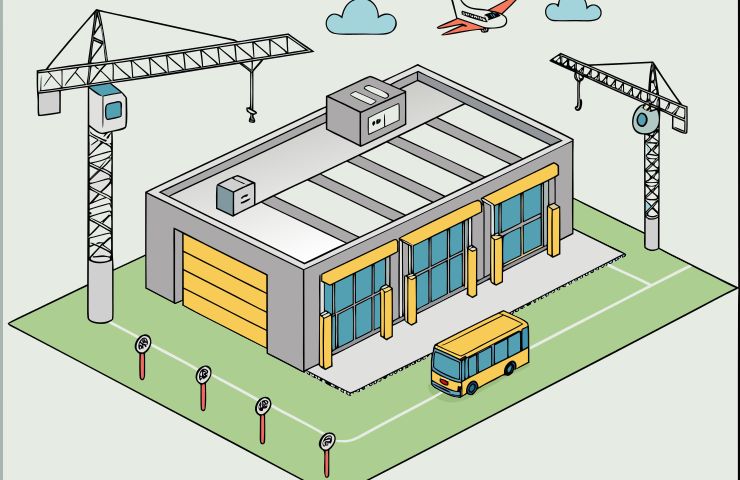
Missoula is really shaking things up when it comes to transit in mid-sized cities. With a new zero-emission, hydrogen-ready operations base, they’re leading the charge! The city’s beloved Mountain Line, which runs a zero-fare bus network, is expanding from its cramped Shakespeare Street depot to a spacious 18.5-acre campus over on West Broadway and Whippoorwill Drive. Thanks to a hefty $39.1 million grant from the Federal Transit Administration (FTA) and a total budget of $76 million, this new Maintenance, Operations, and Administration Base (MOAB) is combining battery-electric charging capabilities with infrastructure that’s all set for future hydrogen fuel cell buses.
Right now, the old 2.2-acre yard is packed to the brim with about 50 buses—90% of which are battery-powered—and a staff of around 125 hardworking individuals. It’s so tight in there that parking at night feels like a game of "Tetris," plus there’s no indoor storage and maintenance bays are always maxed out. Moving to a purpose-designed facility near the airport means Mountain Line can finally have all its electric fleet safely parked indoors, offering expanded repair shops, heavy-duty chargers, and space set aside for high-pressure hydrogen fueling equipment.
Building on a Fare-Free, Electric Legacy
The Mountain Line has been a community staple in Missoula for about 50 years, but things really took off in the mid-2010s when they adopted a zero-fare policy. This bold move boosted ridership by nearly 50%, transforming it into a crucial lifeline for students, workers, and households without cars. At the same time, they embraced battery-electric buses, landing federal grants in 2022 and 2023 that pushed their electric fleet to a remarkable 90%. This makes them one of the top contenders among mid-sized U.S. transit systems!
What It Means for Zero-Emission Transit
MOAB isn’t just a bigger garage; it’s the backbone of Missoula’s goal to run a zero-tailpipe-emissions fleet by 2035. With indoor charging bays, electric buses can get consistent overnight and mid-day charge-ups, making them more available and reliable across their expanding route network. Plus, by planning for hydrogen capabilities even when they’re fully electric, Mountain Line is keeping their options open—especially if we see a rise in green hydrogen production and a drop in fueling costs.
Hydrogen-Ready Design
The layout of MOAB is super strategic, with designated areas for high-pressure hydrogen dispensers, storage tanks, and safety systems—everything tailored for fuel cell buses. While Mountain Line hasn’t made any hydrogen vehicle orders just yet, they’re gearing up for the next wave of zero-emission technology. Reports from the Department of Energy and the National Renewable Energy Laboratory have shown that fuel cell buses can offer longer ranges and refuel times similar to diesel, though there are still hurdles to overcome regarding hydrogen costs, supply reliability, and station uptime.
By incorporating hydrogen infrastructure right from the start, Mountain Line sidesteps expensive retrofits in the future. The campus will include reinforced concrete pads for storage tanks, advanced ventilation, leak detection systems, and space for potential electrolyzer or mobile refueling units. When the time comes for green hydrogen production to scale up locally, these guys will be ready to tap into a nearby supply chain without having to change their core operations.
Battery-Electric Charging Hub
As for the electric buses, they’ll be getting their juice from a heavy-duty charging network equipped with upgraded transformers and switchgear. Each indoor bay can handle 150 to 350 kW charging heads, meaning quick turnarounds between runs. Integrated energy management software will help schedule charging sessions, which is crucial for managing grid use—especially in an area prone to air-quality alerts and wildfire smoke.
With regenerative braking, the buses will send energy back into the depot’s virtual power plant, which cuts down on overall electricity use. Plus, the facility will have plenty of indoor washing racks and maintenance lifts so technicians can service batteries, drivetrains, and HVAC systems year-round. This not only helps maintain fleet health but also avoids the delays caused by weather at the old site.
Strategic and Policy Implications
Landing that $39.1 million FTA Low or No Emission grant was a game changer. It reduced local funding challenges and showed how smaller agencies can leverage climate-focused programs to build top-notch infrastructure. The Missoula City Council’s unanimous annexation approval this year also highlights strong support for zero-emission transit and transit-oriented development.
For suppliers and manufacturers, MOAB sends a powerful message: mid-sized U.S. markets are ready to invest in sophisticated hydrogen infrastructure alongside battery-electric systems. This could fuel growth for dispenser makers, control system vendors, and innovative startups focused on regional transit solutions.
Maverick Take
While most agencies tend to jump into electric first and consider hydrogen later, Mountain Line has flipped that narrative—designing MOAB to accommodate both right from day one. That’s a bold decision! It acknowledges that although the economics of green hydrogen might still be a bit uncertain, they’re not locking themselves into just one solution. In this ever-changing landscape of energy policy and supply chains, betting on both battery and fuel cell technology might just be the smartest move a transit agency can make.
Looking Ahead
Mountain Line anticipates that construction will take about 30 months, aiming to have MOAB up and running before 2030. Once it’s operational, this hydrogen infrastructure-ready hub will anchor Missoula’s path toward cleaner air, fair mobility options, and a varied zero-emission fleet. Other mid-sized cities checking out how MOAB balances electric today with hydrogen tomorrow might just find a roadmap for their own low-carbon journeys.