Hydrogen news
Superalloy to make 100% hydrogen combustion engines a reality
Researchers have developed a new alloy combining aluminum and nickel A team of engineering researchers from the University of Alberta Engineering in Canada has developed a new superalloy made of aluminum and nickel and believe it will be highly beneficial for hydrogen combustion engines. The superalloy is promising for high-temperature applications The superalloy is better known as a “complex concentrated alloy.” This new substance has been shown to work very well for coating surfaces like the ones used in power stations and power stations as well as airplane and other vehicle engines. The r…
Researchers have developed a new alloy combining aluminum and nickel
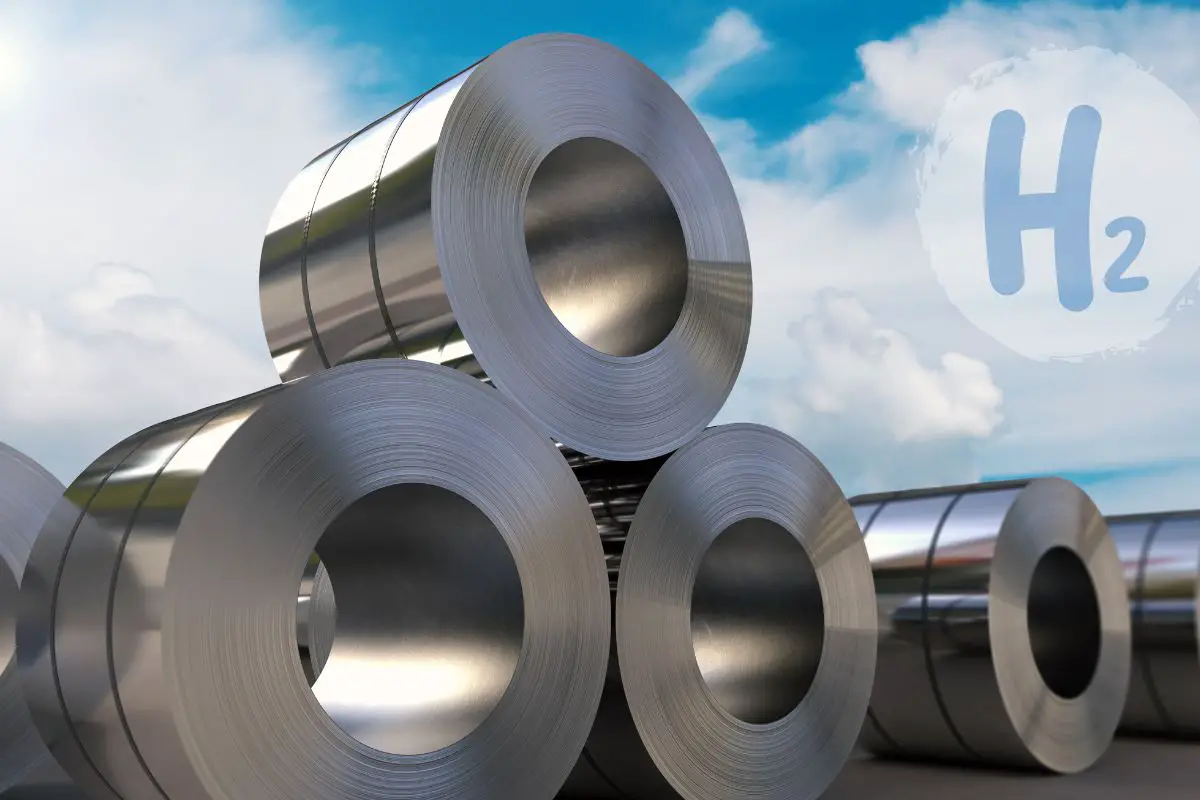
A team of engineering researchers from the University of Alberta Engineering in Canada has developed a new superalloy made of aluminum and nickel and believe it will be highly beneficial for hydrogen combustion engines.The superalloy is promising for high-temperature applications
The superalloy is better known as a “complex concentrated alloy.” This new substance has been shown to work very well for coating surfaces like the ones used in power stations and power stations as well as airplane and other vehicle engines. The researchers published their findings in the Materials Today journal. There, they described the superalloy, called A lCrTiVNi5, and its powerful thermomechanical properties. Among those properties includes high tolerance to fracture, low expansion, high stability, strength and ductility. Each of those characteristics makes it ideal for tolerating environments that include high heat and high pressure.Promising for hydrogen combustion engines
Those same properties also make it highly promising for use in H2-powered engines. “If you would like to use a 100% hydrogen fuel combustion engine, the flame temperature is extremely high,” said senior study author Jing Liu in a news statement. “Until now, none of the existing metallic coatings have been able to work in a 100% hydrogen combustion engine.” H2 burns very hot, at temperatures that can range from 600 degrees Celsius to 1,500 degrees Celsius (about 1,112 degrees Fahrenheit to 2,732 degrees Fahrenheit). As a result, any of the components that are used within a hydrogen fuel combustion engine will need to be able to stand up to high heat as well as being corrosion resistant from the steam produced.
Most current models combine fuels
Though hydrogen combustion engines do already exist, the majority used for commercial applications operate on fuel combinations such as H2 and natural gas or H2 and diesel. That said, as companies and countries continue to pursue decarbonization goals, the idea of powering engines exclusively with H2 is gaining in appeal. Developments such as this new superalloy offer new opportunities to ensure the materials are available for current and upcoming models of H2-powered engines, but it also means that they will be done relatively affordably, as both the primary materials combined to create this alloy are widely available, inexpensive, and already have systems in place to mine or recycle them.How was this article?
Thanks for the feedback!