Hydrogen news
Can Iceland Become A Geothermal Powerhouse?
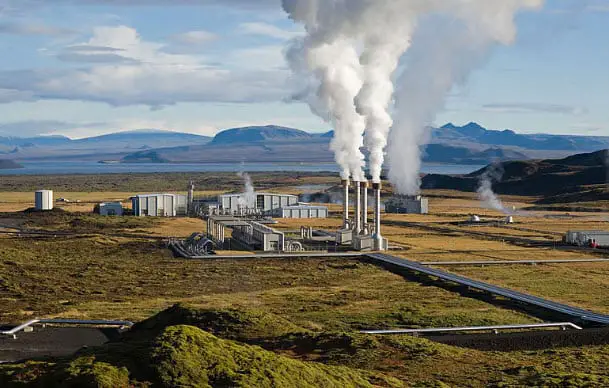
Currently as things stand, about a quarter of Iceland's electrical power comes from geothermal steam and the other three-quarters come from hydroelectric sources. It's little surprise, therefore, to learn that Iceland leads the world in production of electricity from renewable sources.
Consider, if you will, Iceland, a small island nation with an abundance of Bjork and volcanoes. If everything works out well, one of those two things will be responsible for lifting Iceland out of its woes incurred during international monetary problems that began back in 2008. And here's a spoiler alert: it does not involve singing.
 Icelandic consumers are also concerned about a possible spike in electrical costs, as well as the chance that these projects will create jobs everywhere else in the world except for Iceland itself.
There is also a concern that all of these increased cheap energy projects could in turn negatively impact Iceland's ecosystem. After all, hydroelectric dams affect fish populations and tamper with the course of glacial rivers. Geothermal power releases foul hydrogen sulfide fumes as well as carbon dioxide.
Icelandic consumers are also concerned about a possible spike in electrical costs, as well as the chance that these projects will create jobs everywhere else in the world except for Iceland itself.
There is also a concern that all of these increased cheap energy projects could in turn negatively impact Iceland's ecosystem. After all, hydroelectric dams affect fish populations and tamper with the course of glacial rivers. Geothermal power releases foul hydrogen sulfide fumes as well as carbon dioxide.
A Plethora Of Renewable Energy
Wouldn't it be nice if we could take something that causes global warming, like for instance carbon dioxide, and use it instead, in a nice ironic twist, to produce energy that's actually environmentally beneficial? A clean-tech venture called CRI (Carbon Recycling International) re-purposes carbon dioxide by fusing it with hydrogen split from water, turning the result into renewable methanol. The resulting product is then blended into gasoline, and called Vulcanol. But the most audacious and consequently potentially lucrative venture is a proposed $2.1 billion electrical cable to Scotland, an achievement that would make it the world's longest undersea power cable. If the system becomes reality, all of Iceland's electricity needs would be provided by increasing their geothermal-based means of generating power, while all of their prodigious hydroelectric power generation would be sold to the United Kingdom.Currently as things stand, about a quarter of Iceland's electrical power comes from geothermal steam and the other three-quarters come from hydroelectric sources. It's little surprise, therefore, to learn that Iceland leads the world in production of electricity from renewable sources.
The Downside
Projects that are big on ambition and in scope tend to have appropriately big price tags. The huge costs of the undersea power line would have to be offset by profits from long-term contracts with the UK, which are not locked down yet.Icelandic consumers are also concerned about a possible spike in electrical costs, as well as the chance that these projects will create jobs everywhere else in the world except for Iceland itself.
There is also a concern that all of these increased cheap energy projects could in turn negatively impact Iceland's ecosystem. After all, hydroelectric dams affect fish populations and tamper with the course of glacial rivers. Geothermal power releases foul hydrogen sulfide fumes as well as carbon dioxide.
It's A Green Future
Clearly, there are still plenty of obstacles to overcome. But if Iceland can strike a good balance between green power production and maintaining a stable, healthy ecosystem, they may find a way to not only recover from past economic setbacks, but also serve as an example to the rest of the world in the production of energy from sustainable sources. In any event, it's clear that Iceland is in a position to become a true leader in the green energy production field. Byline: John Terra has been a freelance writer since 1985. He writes about everything from running 5K's to reputation.com reviews.How was this article?
Thanks for the feedback!