Hydrogen news
G7 embraces renewable energy, aims to de-carbonize by 2100
G7 have pledged to completely move away from fossil-fuels by 2100 Seven of the world's most industrialized nations have pledged to phase out their use of fossil-fuels by 2100. The Group of Seven (G7) recently met in Germany to determine further action on de-carbonization efforts. These countries -- the United States, the United Kingdom, Canada, France, Germany, Japan, and Italy -- have been working to distance themselves from fossil-fuels for years, but have not made an aggressive push for doing so until recent years. More aggressive goals concerning de-carbonization have been opposed by Cana…
G7 have pledged to completely move away from fossil-fuels by 2100
Seven of the world's most industrialized nations have pledged to phase out their use of fossil-fuels by 2100. The Group of Seven (G7) recently met in Germany to determine further action on de-carbonization efforts. These countries -- the United States, the United Kingdom, Canada, France, Germany, Japan, and Italy -- have been working to distance themselves from fossil-fuels for years, but have not made an aggressive push for doing so until recent years.More aggressive goals concerning de-carbonization have been opposed by Canada and Japan
Initially, the G7 had plans to reduce global carbon dioxide emissions by 25%. Accomplishing this goal has been relatively slow going, with countries introducing new energy efficiency standards and embracing renewable energy. The G7 had intended to establish a low-carbon global economy by 2050, but opposition from both Canada and Japan had derailed those plans. Now, the nations want to completely remove fossil-fuels from their energy structures by 2100.Renewable energy and clean technology will reduce the need for fossil-fuels
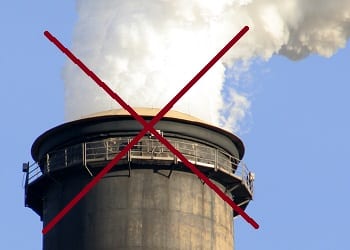 In order to do this, G7 nations will have to embrace new technologies and promote renewable energy more aggressively. Doing so may be difficult, however, due to the relatively high cost of clean technologies. Politics also plays a role in this endeavor. While the G7 have collectively pledged to reduce carbon emissions by 2100, each country will have to make a concerted political push in order to accomplish this goal. For Canada, this may complicate the process, as the country has become very interested in tar sands, which have the potential to become a very prominent source of oil for the country.
Cooperation will be key to de-carbonization success
Many countries have begun to embrace renewable energy because of concerns regarding climate change. These countries also see renewable energy as a potential benefit for their economies, as new projects can create jobs and having access to a replenishable source of power can reduce energy expenditures. The G7 has established an ambitious goal, but strong cooperation among these nations could help them achieve this goal.How was this article?
Thanks for the feedback!