Hydrogen news
Singapore airlines may have a future of hydrogen fuel powered flights
The aviation industry in the country is looking to decarbonize using H2 as a part of its strategy. The Singapore Hydrogen Cooperation Committee views hydrogen fuel as a promising component of the country’s core strategy for decarbonizing its aviation industry. The working group has been operational since it first formed at the start of 2022 The Singapore Hydrogen Cooperation Committee formed when Airbus, Linde, the Changi Airport Group, and the Civil Aviation Authority of Singapore (CAAS) signed a Cooperation Agreement in February 2022. Together, they have been looking into local and regional…
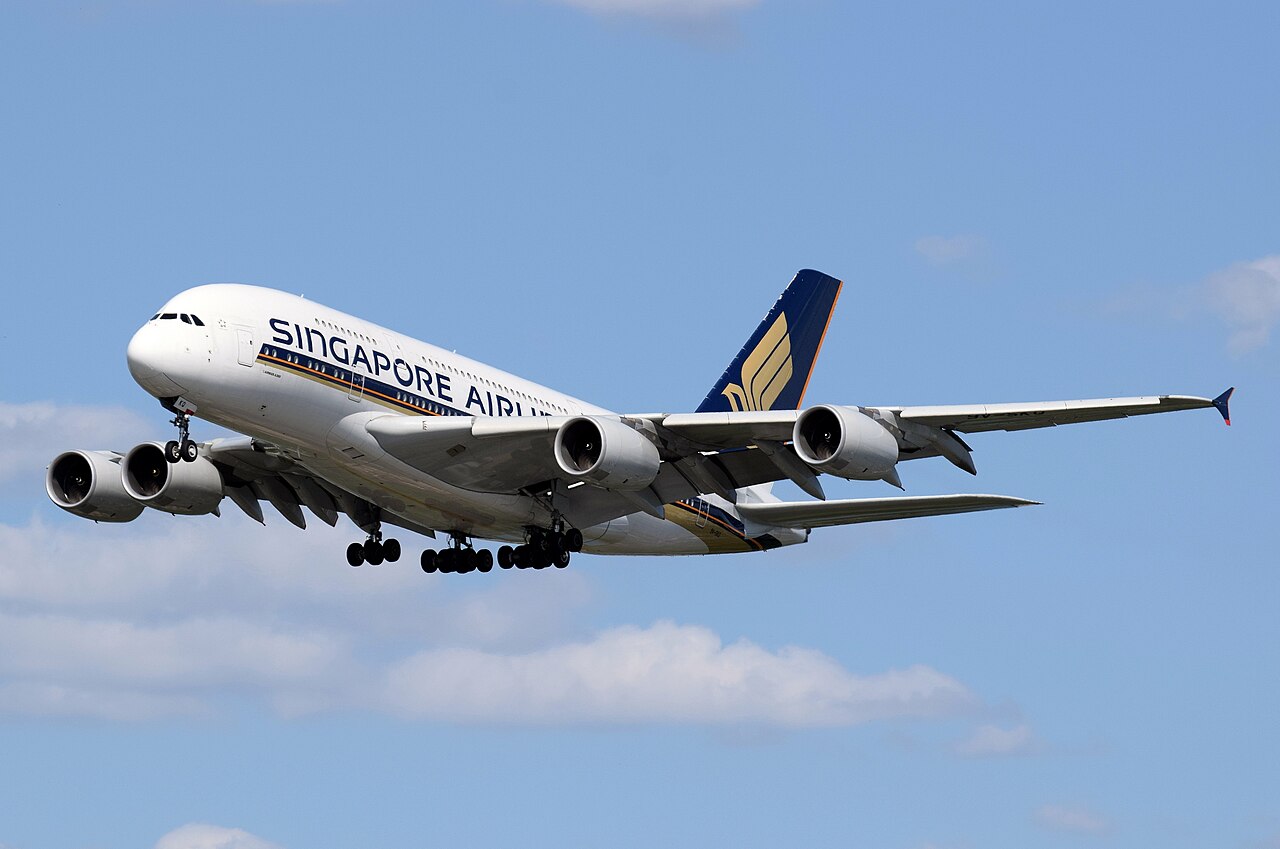
The aviation industry in the country is looking to decarbonize using H2 as a part of its strategy.
The Singapore Hydrogen Cooperation Committee views hydrogen fuel as a promising component of the country’s core strategy for decarbonizing its aviation industry.The working group has been operational since it first formed at the start of 2022
The Singapore Hydrogen Cooperation Committee formed when Airbus, Linde, the Changi Airport Group, and the Civil Aviation Authority of Singapore (CAAS) signed a Cooperation Agreement in February 2022. Together, they have been looking into local and regional market demand and supply for hydrogen fuel, as well as the H2 supply chain and network and infrastructure requirements, as well as considerations to create a potentially successful H2 aviation ecosystem.Liquid hydrogen fuel
Using liquid hydrogen fuel as a way to power flight isn’t anything new. It is being extensively researched, with several companies, including large airlines, developing and testing new technologies using H2. The committee is conducting an early technical feasibility study to determine when this type of tech will mature and become feasible. This way, the country will be prepared by that time for the incorporation of liquid H2 as a component of its aviation decarbonization efforts.Investing in H2 for flight
“Stakeholders in the Asia-Pacific region are increasingly taking greater interest in making significant investments into hydrogen, developing new technologies and establishing supply chains,” said Airbus Chief Technology Officer Sabine Klauke.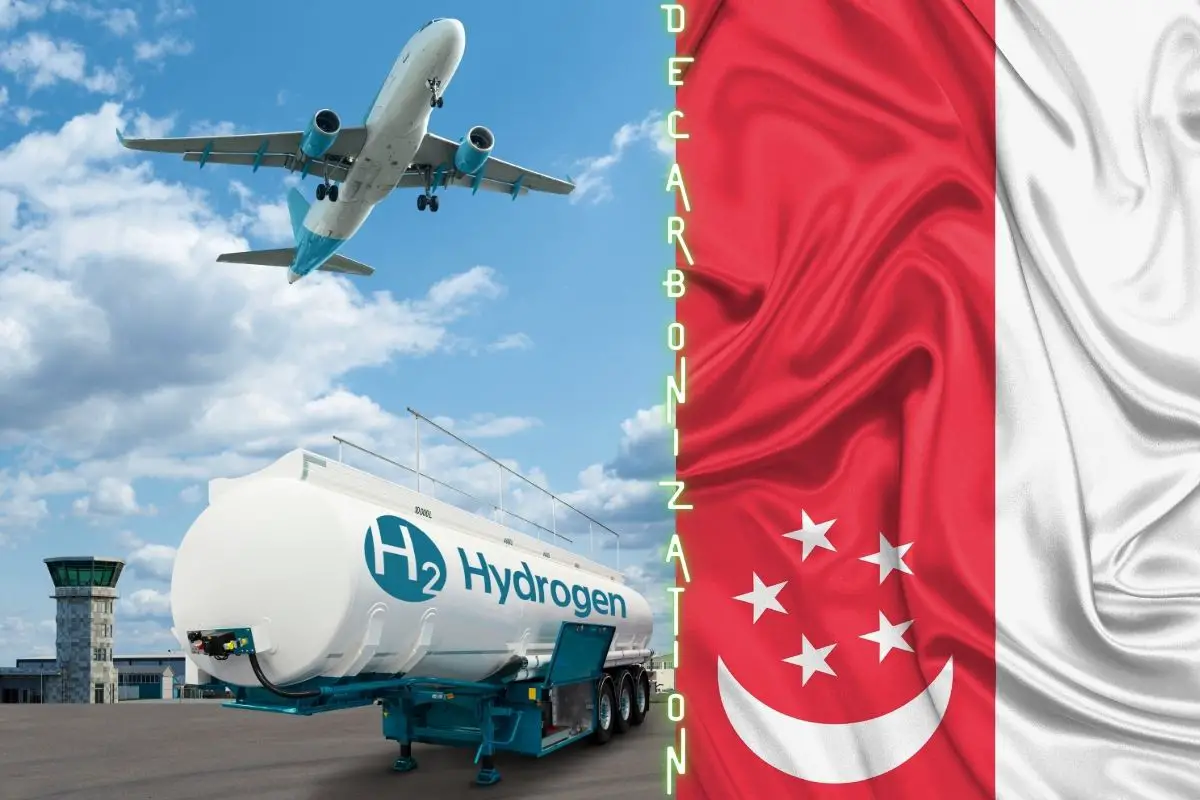 “Together with our partners, we recognise the potential of hydrogen becoming a longer-term decarbonisation pathway for aircraft operations, complementing sustainable aviation fuel, in support of our transition towards net zero by 2050.”
Infrastructure scenarios
As a component of the study, the Singapore Hydrogen Cooperation Committee has identified scenarios for a hydrogen fuel infrastructure that would align with a large-scale supply’s gradual deployment over time at the Changi Airport. The aviation industry in the country could consume as much as 50 metric tons of liquid H2 per day from the 2040s and as much as 600 daily tons from 2050 onward. The predictions are based on using hydrogen fuel to power aircraft with passenger capacities of between 100 and 200 people, on flights between 1000 and 2000 in length, beginning service in Singapore between 2035 and 2040. Ready to test your knowledge on the most abundant element in the universe? Take our fun and engaging Hydrogen Quiz now! [forminator_quiz id="58712"]How was this article?
Thanks for the feedback!