Hydrogen news
Port of Los Angeles is home to another hydrogen fuel cell world-first
The nation’s number one container port is the first to have a hydrogen-powered RTG crane. The world’s first hydrogen fuel cell powered rubber-tired gantry (RTG) crane - the H2-ZE RTG Transtainer Crane - has begun operation at Yusen Terminals at the Port of Los Angeles, setting a new standard for zero-emission port operations. Developed by PACECO, a leading container handler supplier, in collaboration with MITSUI E&S, this marks the first time in the world that an RTG crane fully powered by hydrogen has gone into commercial operation. Achieving zero-emissions without the need for a power grid.…
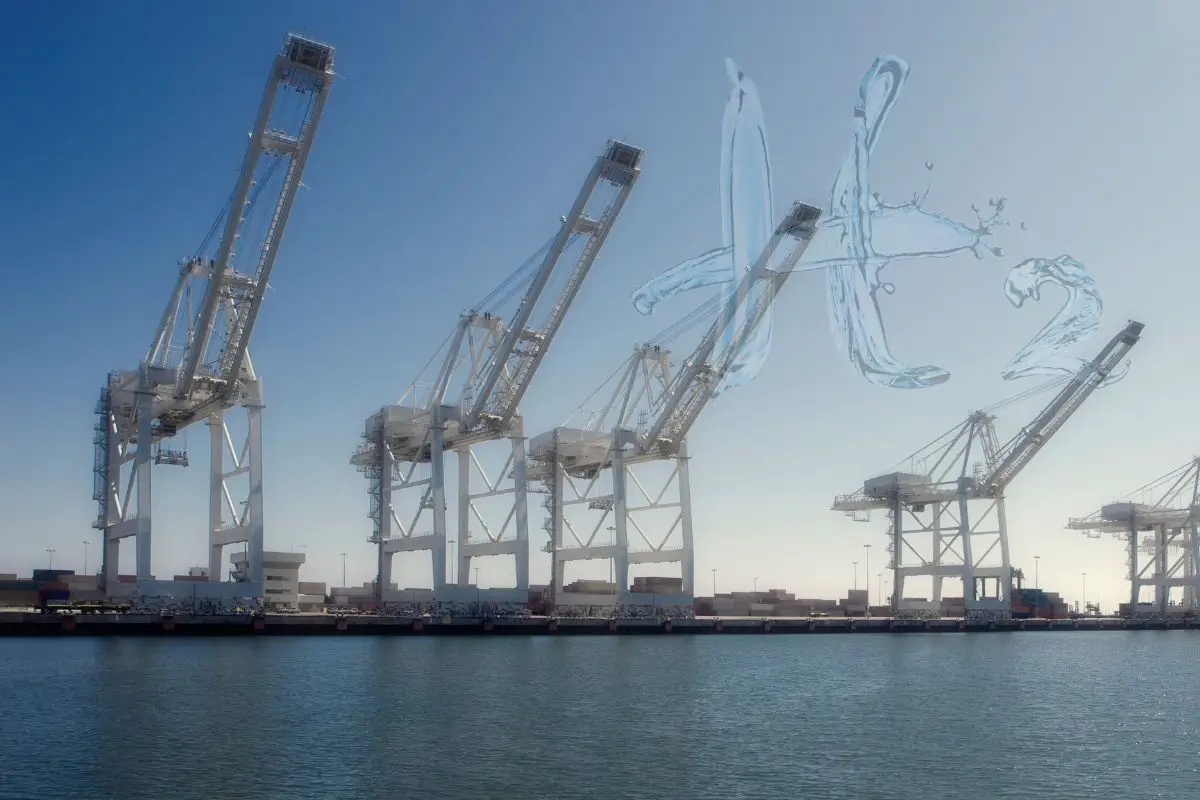
The nation’s number one container port is the first to have a hydrogen-powered RTG crane.
The world’s first hydrogen fuel cell powered rubber-tired gantry (RTG) crane - the H2-ZE RTG Transtainer Crane - has begun operation at Yusen Terminals at the Port of Los Angeles, setting a new standard for zero-emission port operations. Developed by PACECO, a leading container handler supplier, in collaboration with MITSUI E&S, this marks the first time in the world that an RTG crane fully powered by hydrogen has gone into commercial operation.Achieving zero-emissions without the need for a power grid.
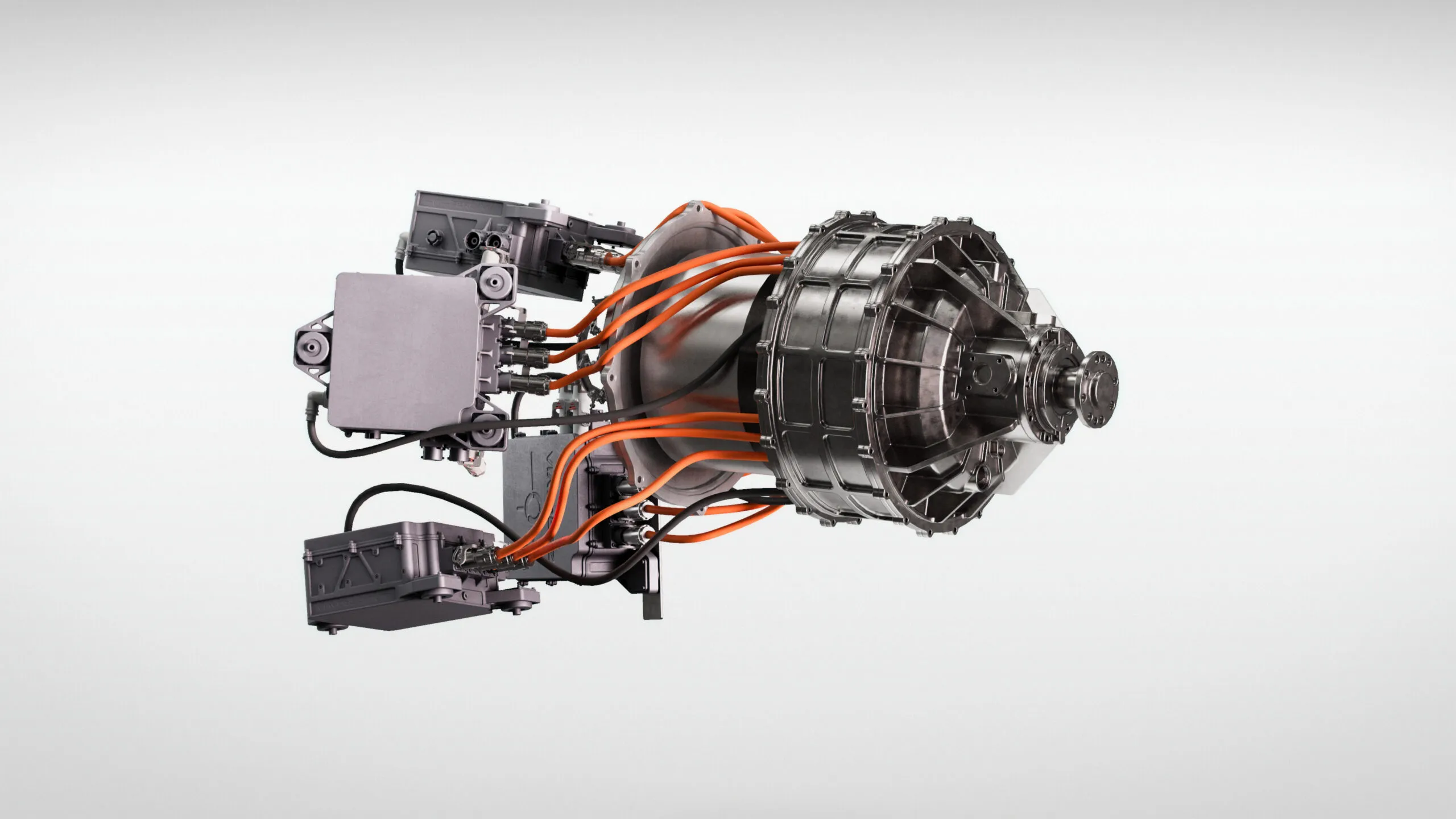
Running 100% on hydrogen fuel cell technology, the H2-ZE RTG Transtainer Crane is capable of achieving zero emissions on larger container cranes without requiring a connection to an electric grid. The crane was constructed by Mitsui E&S in Japan and received funding from the Japanese New Energy and Industrial Technology Development Organization (NEDO). MITSUI E&S designed and built the fuel cell power pack (FCPP). The FCPP is an efficient energy system designed to replace a standard diesel genset. With this FCPP system, existing traditional diesel RTGs can be modified to achieve zero emissions. As for the hydrogen used to power the crane, it is provided by Toyota Tsusho.Clean hydrogen fuel cell power vs. 400 barrels of oil.
The fact that the hydrogen fuel cell-powered H2-ZE RTG emits zero carbon emissions is a huge deal. That’s because a typical diesel powered RTG crane emits as much carbon dioxide in a year equal to burning more than 400 barrels of oil. Plus, in addition to being eco-friendly, the hydrogen crane is quieter, reducing noise pollution for port workers.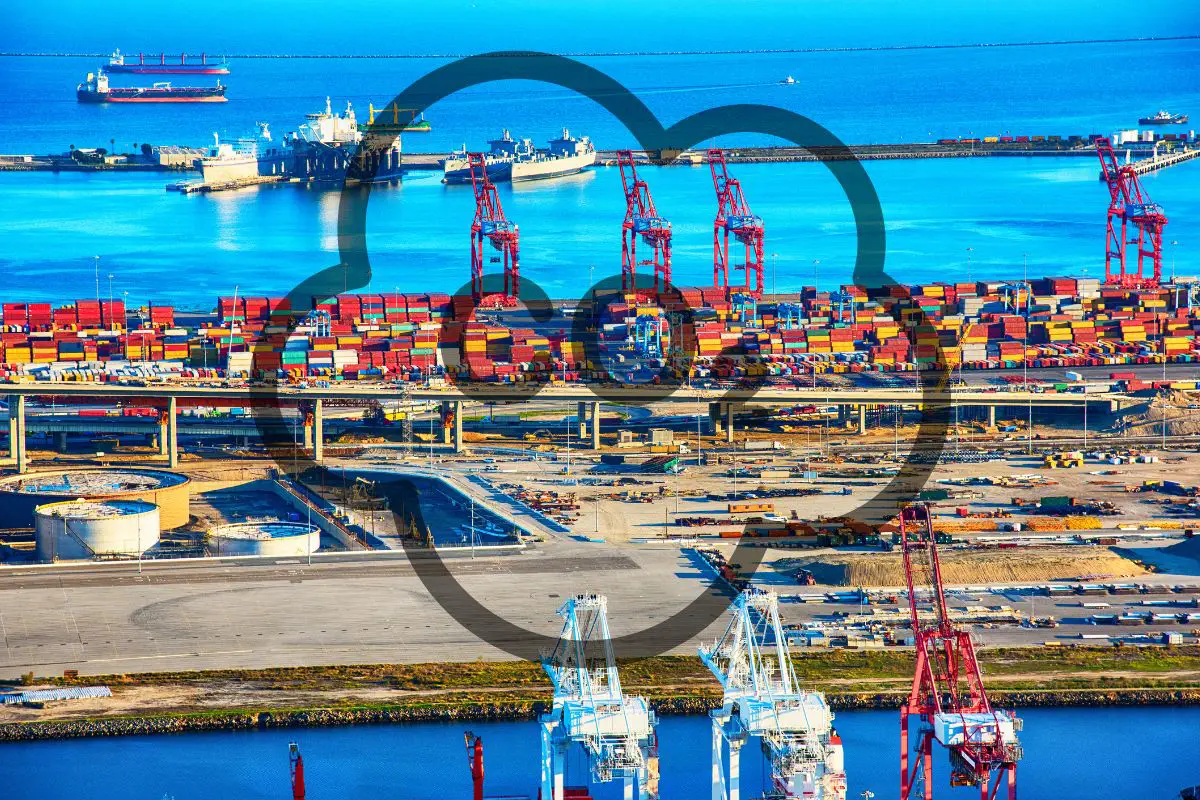 PACECO’s H2-ZE RTG Transtainer Crane is a pilot project intended to run over the next four years at Yuen Terminals. To start, the H2 crane will operate for 16 hours a day and perform at the same efficiency as a standard crane powered by diesel or a hybrid RTG crane.
Port of Los Angeles and the Port of Long Beach continue to be hydrogen leaders.
Like the Port of Long Beach, the Port of Los Angeles is no stranger to hydrogen fuel cell solutions. That’s because both ports have collaborated on a project to advance the use of hydrogen fuel in the movement of goods via ARCHES (the Alliance for Renewable Clean Hydrogen Energy Systems) funding. The funds will be matched by the ports and their tenants, with a plan to deploy hydrogen fuel cell cargo-handling equipment, mobile hydrogen fueling trucks or stations in the ports’ terminals. Most recently, the Port of Long Beach opened it’s Tri-gen system for renewable hydrogen, renewable power, and water generation to support operations at Toyota’s largest North American port facility.How was this article?
Thanks for the feedback!