Hydrogen news
Hydrogen technology is key to decarbonizing the maritime industry
Decreasing the emission of such a complex industry is no easy task. In order to reach greenhouse gas reduction targets set by the International Maritime Organisation (IMO), many experts agree that a multi-faceted approach is required, including renewable energies like wind and solar, leveraging hydrogen technology, as well as developing new technologies. Hydrogen is likely to play an important role in achieving a green age of shipping. Shipping is one of the most energy-efficient ways to transport goods compared to other transportation methods. For instance, Freight uses five times more energ…
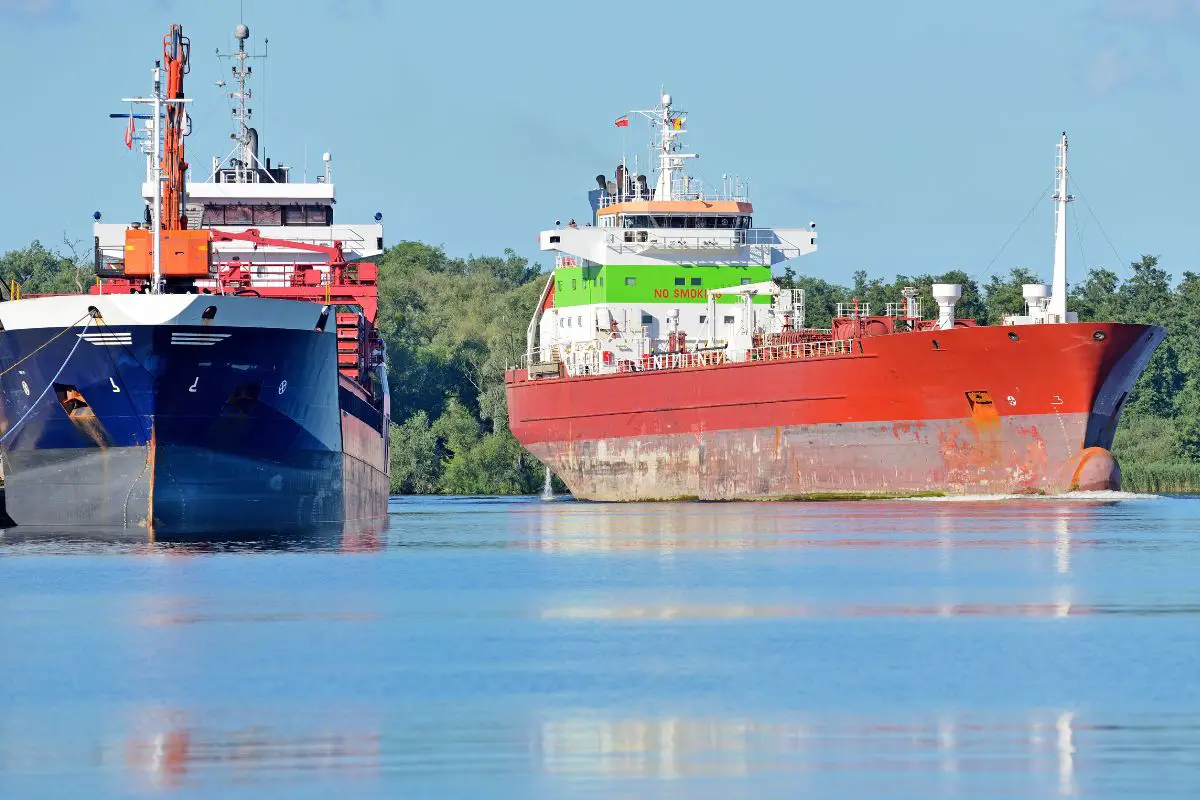
Decreasing the emission of such a complex industry is no easy task.
In order to reach greenhouse gas reduction targets set by the International Maritime Organisation (IMO), many experts agree that a multi-faceted approach is required, including renewable energies like wind and solar, leveraging hydrogen technology, as well as developing new technologies.Hydrogen is likely to play an important role in achieving a green age of shipping.
Shipping is one of the most energy-efficient ways to transport goods compared to other transportation methods. For instance, Freight uses five times more energy. Still, due to the fact that the maritime sector relies almost solely on fossil fuels, this makes it excessively energy intensive. What’s more, with approximately 90% of world trade moving by sea, the maritime shipping industry accounts for 3% of all emissions worldwide. Experts say that his could rise to 10% by 2050 if the industry remains as carbon-intensive as it is today.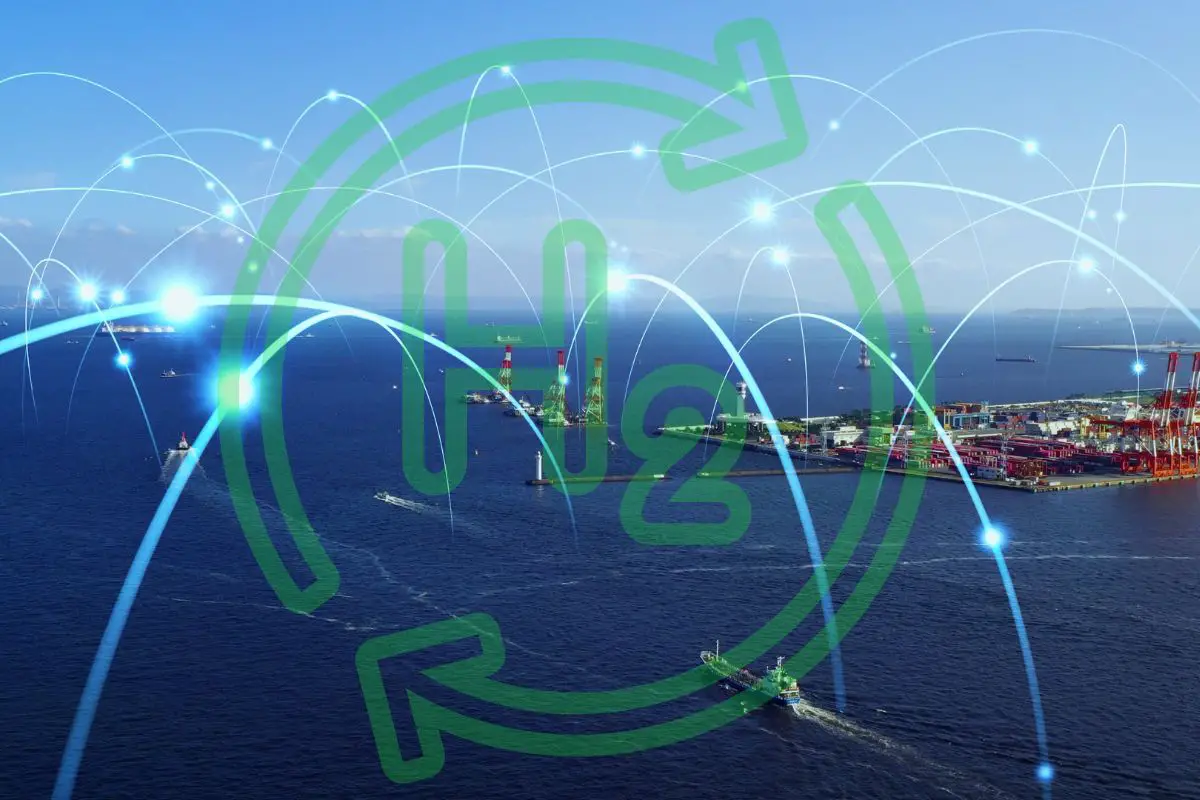 According to the UK government’s Hydrogen Strategy, hydrogen could be fundamental in decarbonizing the global maritime industry. The reason isn’t only because it can power vessels, but hydrogen technology is compatible with many other elements as well. For instance, powering port activities, such as removing cargo, etc., with renewable power like hydrogen would have a huge impact on carbon emission in the maritime industry as ports are the hub where land and sea meet.
https://www.youtube.com/watch?v=uQfJ4xzNkWg
Similar to fossil fuels, hydrogen can be stored and transported in tanks. Moreover, existing vessels can be retrofitted with hydrogen technologies like fuel cells. Unlike electric batteries, hydrogen fuel cells need to be fuelled les frequently, refuel quickly, and are better suited to larger ships that take longer, international routes.
According to the UK government’s Hydrogen Strategy, hydrogen could be fundamental in decarbonizing the global maritime industry. The reason isn’t only because it can power vessels, but hydrogen technology is compatible with many other elements as well. For instance, powering port activities, such as removing cargo, etc., with renewable power like hydrogen would have a huge impact on carbon emission in the maritime industry as ports are the hub where land and sea meet.
https://www.youtube.com/watch?v=uQfJ4xzNkWg
Similar to fossil fuels, hydrogen can be stored and transported in tanks. Moreover, existing vessels can be retrofitted with hydrogen technologies like fuel cells. Unlike electric batteries, hydrogen fuel cells need to be fuelled les frequently, refuel quickly, and are better suited to larger ships that take longer, international routes.
However, wide-scale adoption of hydrogen technology for the maritime industry remains a challenge.
According to Vidal Bharath, Chief Commercial Officer at Bramble Energy, the biggest challenges regarding implementing hydrogen within the maritime industry is a lack of:- Infrastructure
- Investment
- Education
- Government policy
How can decarbonization of the maritime industry using hydrogen technology and other clean alternatives be made scalable?
To meet future demand, a number of gaps in the hydrogen supply chain must be addressed, beyond simply needing more adopters of the technology. For instance, there needs to be more suppliers who can support large scale compression of hydrogen for storage as well as line pipe manufacturers who are qualified to work with hydrogen. Bharath also believes that a collaborative approach with the maritime sector teaming up with energy, heavy transport, and building heating industries is needed to develop supply chain networks, safety guidelines and regulations to make scaling and cost reduction of hydrogen-based fuels possible. https://www.youtube.com/watch?v=nuLvohkOLNY All that said, just as is the case with other industries, full scale decarbonization of the maritime sector will require the use of every single viable clean power solution, not just hydrogen technology. “There is no single answer to the issue of maritime decarbonisation – only that an approach bolstered by technology and multiple energy sources is very much needed if the global industry is to come within a nautical mile of the emissions targets set by the IMO,” says Bharath. However, the Bramble Energy COO added that to work with a decarbonization strategy that doesn’t include hydrogen technology would only slow – if not curb – the progress that is underway. HYDROGEN POLL: Cost and infrastructure aside, are you ready to use hydrogen as a source of fuel for home heating?[forminator_poll id="56493"]How was this article?
Thanks for the feedback!